







A Grand Welcome: Jodhpur’s New Terminal
Jodhpur's airport has received a monumental upgrade with the inauguration of its new terminal building on July 4, 2026. Built at a cost of ₹480 crore, this is more than just a facelift; it's a complete overhaul designed to position Jodhpur as a major
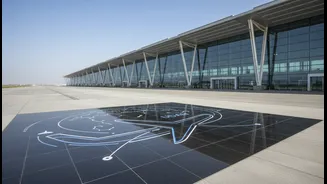
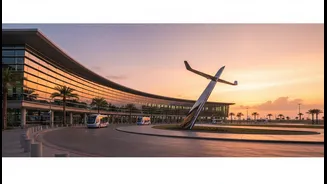
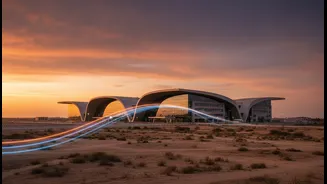
aviation hub in Western Rajasthan. The terminal spans over 23,000 square metres and is designed to handle 2 million passengers annually. During peak hours, it can comfortably accommodate 1,500 travellers, a significant increase that addresses the rising tourist and business traffic to the 'Blue City'. The design itself is a nod to the region's royal heritage, with architecture inspired by local palaces and forts, featuring domes and intricate arches reminiscent of Rajputana style. Inside, passengers will find modern amenities, including 20 check-in counters, advanced security systems, and six aerobridges, ensuring a seamless and comfortable journey from check-in to boarding.
More Than a Building: Sustainable and Smart
Beyond its impressive scale and beautiful design, the new terminal is built for the future. Sustainability has been a core focus, with the building incorporating energy-efficient glazing, deep overhangs to reduce heat, and solar panel installations. Energy simulations suggest the terminal consumes over 50% less energy than comparable airport buildings, aiming for a GRIHA certification for green buildings. The apron has also been expanded to accommodate up to 11 A-321 aircraft, preparing the airport for increased flight frequency. This combination of cultural aesthetics, passenger convenience, and environmental consciousness makes the terminal a landmark project commissioned by the Airports Authority of India (AAI).
Revamping Regional Flights: The Modified UDAN Scheme
The opening of the new terminal coincided with the launch of the Modified UDAN scheme, a renewed push for the 'Ude Desh ka Aam Nagrik' (Let the common citizen of the country fly) initiative. The original UDAN scheme, launched in 2016, aimed to connect unserved and underserved airports, making air travel more affordable. The new, modified version, dubbed 'Viksit UDAN', comes with a massive outlay of nearly ₹29,000 crore over the next ten years. The goal is to strengthen last-mile connectivity to Tier-2 and Tier-3 cities by developing 100 airports from existing airstrips and building 200 modern helipads in remote and hilly areas. For airlines, the scheme continues to provide Viability Gap Funding (VGF) to make commercially unviable routes sustainable, addressing a key challenge of the original program and ensuring more routes stay operational.
An Engine for Growth in Western Rajasthan
The synergy between the new terminal and the modified UDAN scheme is powerful. The expanded airport infrastructure provides the necessary 'hardware' to handle the increased passenger and flight volumes that the 'software' of UDAN aims to generate. This dual initiative is a strategic catalyst for tourism, trade, and economic development. For Jodhpur, which forms a key part of Rajasthan's heritage tourism corridor with Jaipur and Udaipur, enhanced connectivity means more visitors, a boost for the hospitality sector, and significant job creation. By making it easier and more affordable to reach Jodhpur and surrounding areas, the government is unlocking the region's economic potential and strengthening its position on India's national aviation map. It’s a clear signal that the city is being positioned not just as a tourist destination, but as a vital economic hub for the future.