




What is a 'Climate Classroom'?
The term doesn't refer to a physical building with blackboards and desks. Instead, it describes a powerful, evolving trend: local communities are becoming living laboratories where residents collectively learn about, and implement, solutions to climate
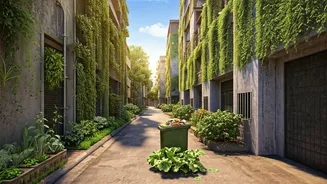
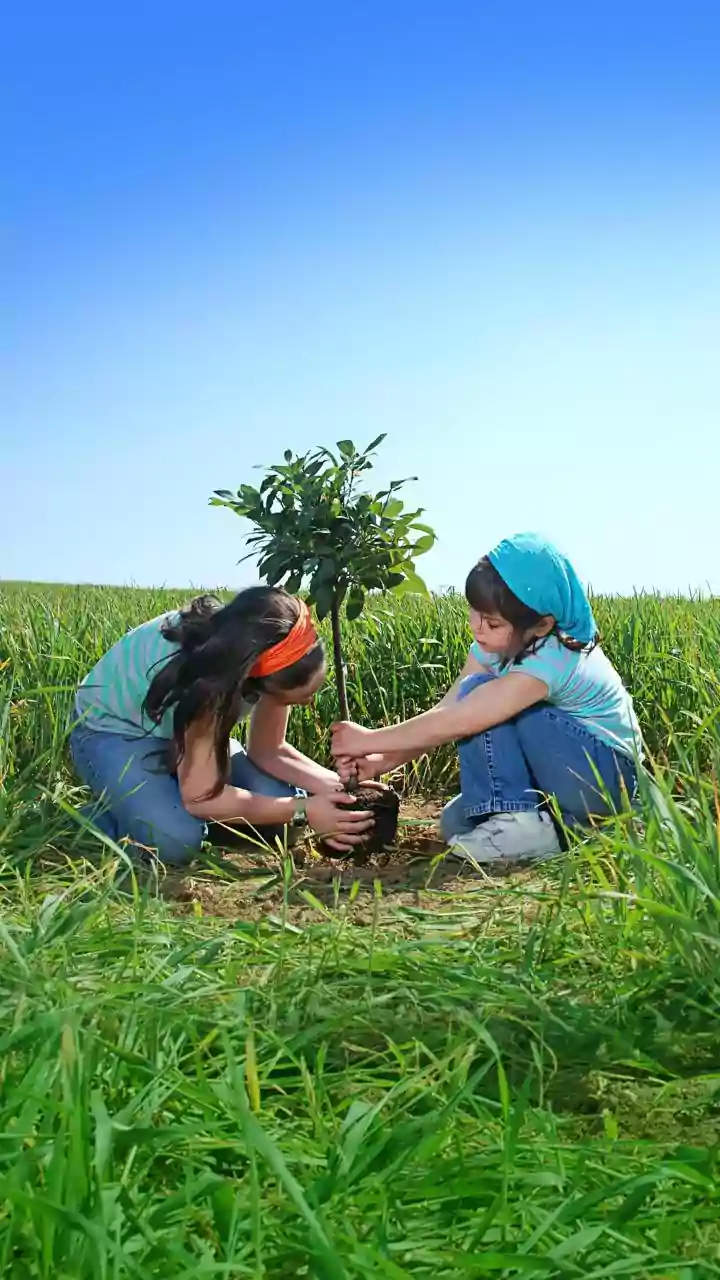
change. These are places where the abstract threats of rising temperatures, water scarcity, and extreme weather are met with tangible, grassroots action. From a resident welfare association (RWA) in Delhi organising a tree plantation drive to a housing society in Bengaluru mastering rainwater harvesting, these neighbourhoods are where climate theory is put into practice, lesson by lesson.
From Water Scarcity to Shared Wisdom
Water is often the first subject in this new curriculum. Cities like Chennai, Bengaluru, and Pune have faced severe water crises, from depleted groundwater to 'Day Zero' scares. In response, many neighbourhoods have stopped waiting for municipal intervention and have taken matters into their own hands. They are learning to become water-prudent. We see societies investing in systems to capture every drop of rain from their rooftops, channelling it to recharge underground aquifers or for non-potable uses like gardening and cleaning. Through trial, error, and shared WhatsApp groups, residents exchange knowledge on the best filter systems, the most effective percolation pit designs, and how to reduce household water consumption. Each successfully recharged borewell becomes a testament to their collective learning.
Beating the Heat, One Lane at a Time
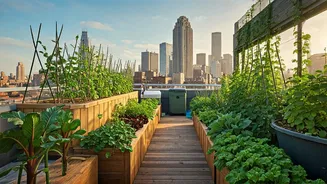
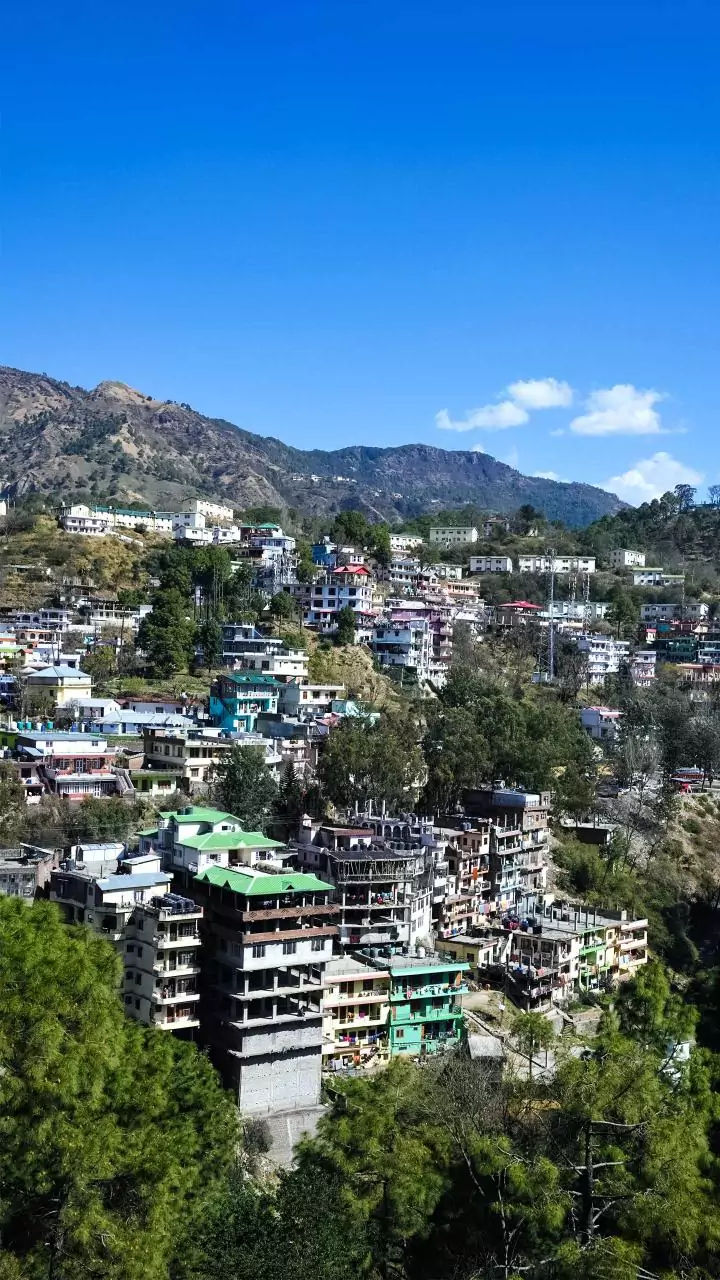
As heatwaves become longer and more intense across India, the 'urban heat island' effect is no longer a niche academic term; it's a lived reality. Concrete and asphalt absorb and radiate heat, making city neighbourhoods significantly hotter than surrounding rural areas. The neighbourhood 'classroom' is tackling this head-on. The curriculum includes planting native, hardy trees that provide shade and cool the air. It involves experimenting with 'cool roofs'—coating terraces with reflective white paint to reduce heat absorption in buildings, thereby lowering indoor temperatures and cutting down on air-conditioning costs. These aren't just aesthetic improvements; they are practical lessons in microclimate regulation, taught and learned block by block.
The Power of Conscious Consumption
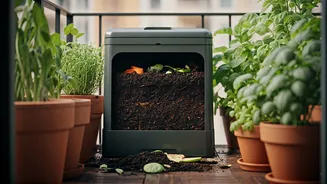
Waste is another critical area of learning. The sight of overflowing landfills is a stark reminder of our consumption patterns. Pioneering neighbourhoods are now teaching themselves the art of circular living. They're implementing strict waste segregation systems at source, ensuring wet waste is composted within the community to create nutrient-rich soil for local parks, while dry waste is sent for proper recycling. These community-led initiatives do more than just reduce the burden on municipal systems. They create a powerful feedback loop, making residents more conscious of what they buy and throw away. When you manage your own waste, you begin to understand its true cost.
Building Resilience and Community
Perhaps the most important lesson these climate classrooms teach is not about solar panels or compost pits, but about community. In an era of urban isolation, working together towards a common goal forges powerful social bonds. These initiatives foster a sense of shared purpose and collective efficacy. Neighbours who once barely knew each other are now collaborating on projects, sharing resources, and building a resilient social fabric that is just as crucial as physical infrastructure in the face of climate uncertainty. They are learning that the answer to a global crisis can begin with a local conversation.