


A Resurgence of Regional Taste
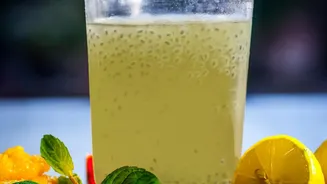
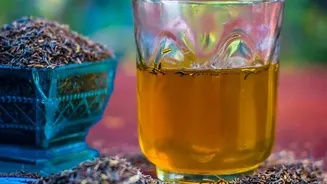
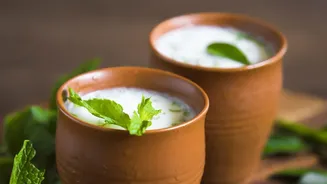
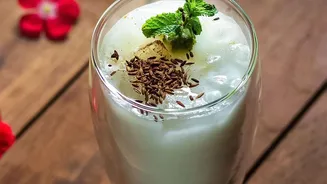
The humble jeera, or cumin seed, is a cornerstone of Indian cuisine, found in nearly every kitchen. Prized for its aromatic flavour and traditionally known for its digestive properties, it's a taste deeply embedded in the nation's palate. For years, jeera-based
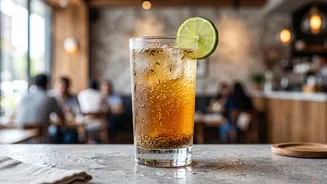
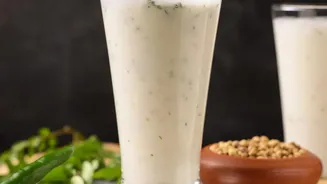
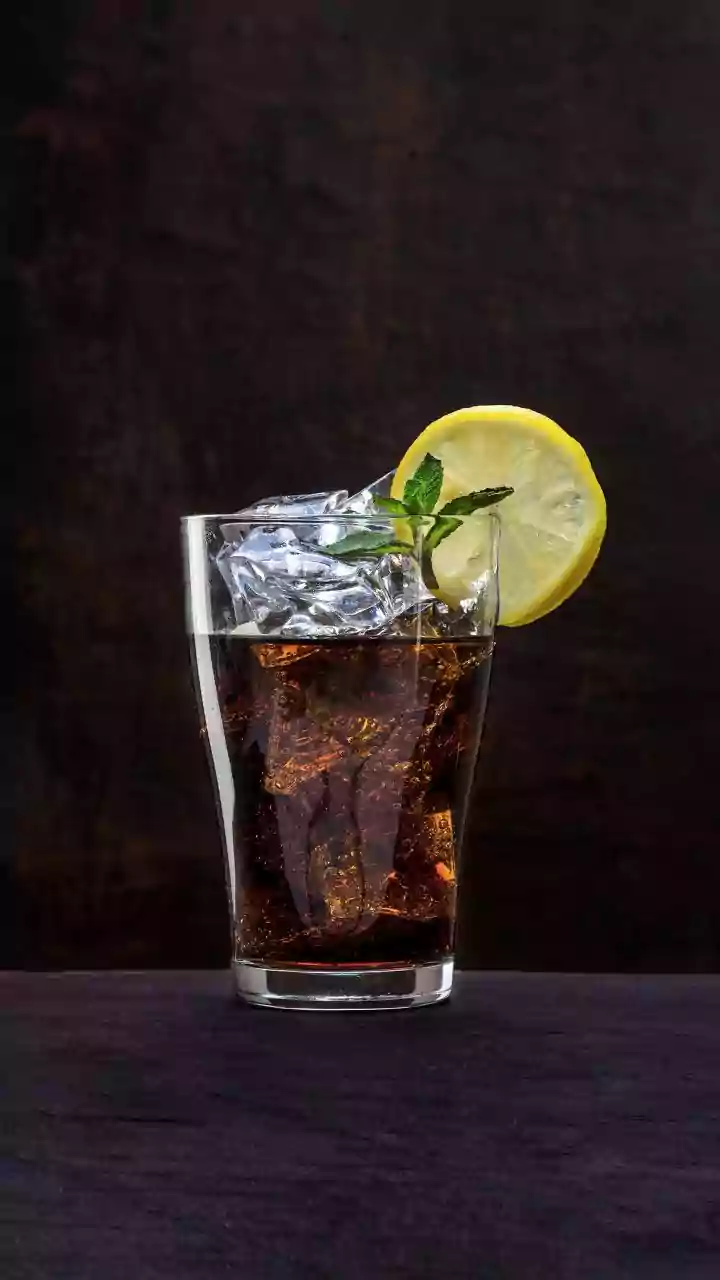
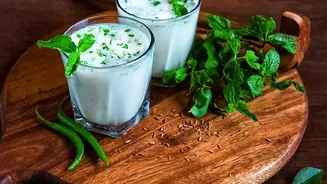
drinks were the domain of street vendors, mixed fresh and sold as a popular antidote to the scorching heat or a heavy meal. Now, this familiar flavour is at the heart of a major market disruption. As consumers increasingly seek out drinks that feel authentic and culturally rooted, the tangy, spicy, and savoury profile of jeera soda offers a compelling alternative to the homogenous sweetness of Western colas. This shift isn't just about nostalgia; it's a reflection of a confident consumer identity that celebrates homegrown tastes.
From Kitchens to National Retail
The transition of jeera soda from a local delicacy to a bottled beverage phenomenon was driven by a handful of entrepreneurs who saw its untapped potential. Brands like Lahori Zeera, which famously started as a kitchen experiment among three cousins, and legacy players like Bindu Jeera, have professionalised and scaled the category. By focusing on an affordable price point, often just ₹10, and building dense distribution networks in the underserved Tier-2 and Tier-3 cities, these brands have built a formidable market presence. This strategy allowed them to bypass direct competition with cola giants in urban strongholds and cultivate a loyal following in 'Bharat'—the vast Indian heartland where local tastes hold powerful sway.
The Market's Shifting Balance
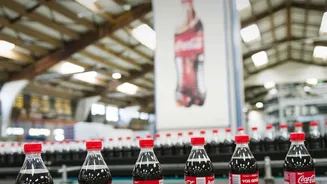
The numbers tell a story of significant change. While Coca-Cola and PepsiCo have long commanded the lion's share of India's carbonated drinks market, their dominance is being chipped away. Recent reports indicate that the combined market share of these global giants has fallen from around 93% to 85%. In the same period, smaller domestic players, led by jeera brands and others, have seen their collective share almost double to nearly 15%. India's non-alcoholic beverage market was valued at a staggering $32 billion in 2024, and the rapid growth of the 'ethnic beverages' segment shows a clear consumer appetite for more than just colas. Online orders for cumin-based drinks reportedly surged by 900% during the summer, highlighting their mainstream acceptance.
A New Battlefield for Brands
This homegrown success has not gone unnoticed. The global giants are now entering the fray, unwilling to cede this growing segment. Coca-Cola has revived its own jeera brand, Rimzim, while PepsiCo is reportedly exploring a cumin variant under its Nimbooz label. Other established Indian companies like Parle Agro have expanded their jeera drink 'Dhishoom' from a rural product to a national offering. The competition is heating up, but the strategies differ. While cola brands rely on massive advertising budgets and celebrity endorsements, many jeera brands have focused on grassroots marketing, their functional benefits as a digestive aid, and the strong emotional connection to a 'desi' flavour.
The Future is Fizzy and Flavourful
The rise of jeera soda is part of a larger trend towards functional and healthier beverages. As Indian consumers become more health-conscious, the perception of jeera soda as a more natural or beneficial alternative to high-sugar drinks gives it a distinct advantage. Some brands are already innovating with zero-sugar versions to cater to this demand. This battle is far from over. The cola giants have immense resources and deep distribution networks. However, the success of jeera soda proves that in modern India, a powerful brand can be built on authenticity, regional pride, and a flavour that tastes like home. It signals a market that is no longer just accepting global products, but is actively shaping them with its own unique preferences.