





Meet the Family
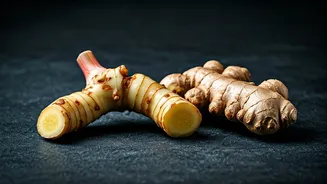
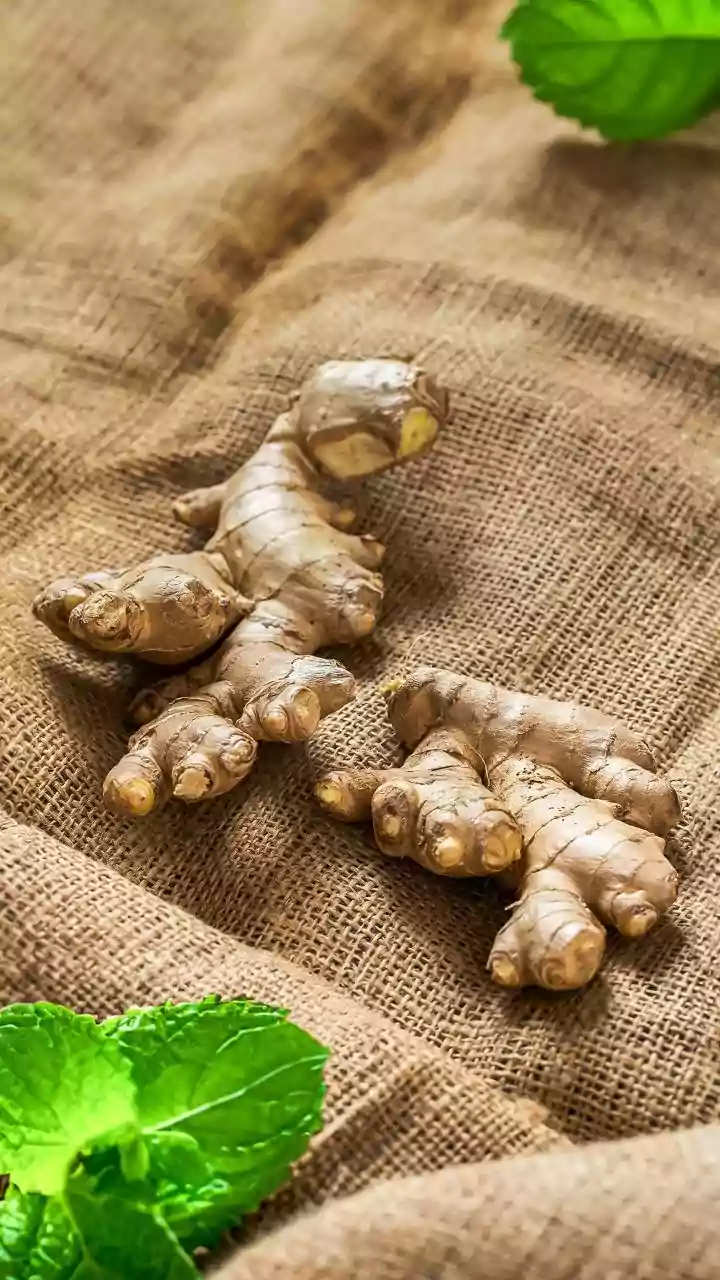
At first glance, the confusion is understandable. Both galangal and ginger are rhizomes—starchy, knotted underground stems—from the same plant family, Zingiberaceae, which also includes turmeric and cardamom. They share a similar knobby, hand-like shape,
leading many to believe they are interchangeable. In Indian kitchens, ginger (adrak) is a non-negotiable staple, forming the aromatic base of countless curries, dals, and marinades. Its sharp, pungent heat is a familiar comfort. Galangal, however, is more of a star in Southeast Asian cuisines, particularly in Thai, Indonesian, and Malaysian dishes. Though less common in India, its presence is growing as more people explore global flavours.
Appearance Isn't Everything
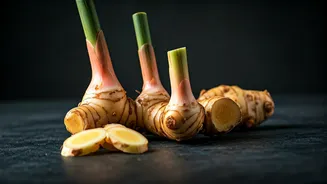
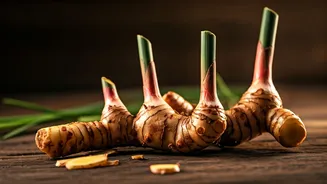
Look a little closer, and the physical differences become clear. Ginger has a familiar light-brown, papery skin that can be easily scraped off with a spoon. Its flesh is a soft, fibrous yellow. Galangal, often called Thai ginger, typically has a smoother, paler, and harder skin, sometimes with reddish or pinkish hues. This tougher exterior requires a sharp knife or a vegetable peeler to remove. Inside, the flesh is much denser and whiter than ginger's, and it can be quite tough and woody, which is why it's often sliced or pounded rather than grated.
A Tale of Two Tastes
The most significant difference lies in their flavour and aroma. Ginger offers a warm, pungent spiciness with a hint of sweetness. It’s a versatile flavour that works in both savoury and sweet applications, from spicy curries to gingerbread. Galangal, on the other hand, delivers a completely different experience. Its flavour is sharp, peppery, and intensely citrusy with distinct pine-like notes. Some even compare its refreshing, medicinal aroma to menthol or eucalyptus. While ginger is warm and spicy, galangal is cooling and zesty. The taste is much bolder and more astringent, with an earthy, slightly bitter finish that ginger lacks.
In the Kitchen: Where Each Shines
In cooking, these two cousins play very different roles. Ginger’s versatile warmth makes it a staple in Indian, Chinese, and many other world cuisines. It adds depth to sauces, stir-fries, and baked goods. Galangal is the signature flavour of many iconic Southeast Asian dishes. It is an essential ingredient in Thai soups like Tom Yum (hot and sour soup) and Tom Kha Gai (coconut chicken soup), where its bright, citrusy notes are indispensable. It's also pounded into curry pastes in Thai, Malaysian, and Indonesian cooking, where it provides a unique aromatic foundation that ginger simply cannot replicate. Galangal pairs beautifully with ingredients like lemongrass, coconut milk, and kaffir lime leaves.
The Big Substitution Question
So, can you swap one for the other in a pinch? The consensus among chefs and seasoned cooks is a firm no. Using ginger in a recipe that calls for galangal will not ruin the dish, but it will fundamentally change its flavour profile, resulting in something that isn't authentic. The final product will lack the characteristic sharp, citrusy punch that galangal provides. Substituting galangal for ginger is even trickier, as galangal's aggressive, piney flavour can easily overpower a dish that was designed for ginger's milder warmth. If you must substitute ginger for galangal, some suggest adding a squeeze of lime or lemon juice to try and mimic the citrusy quality, but it will never be a perfect match.