

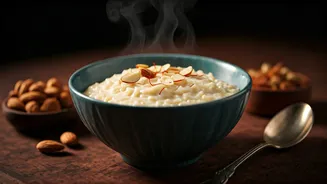
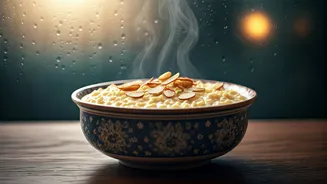


The Southern Classic: Paal Payasam
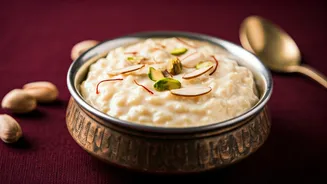
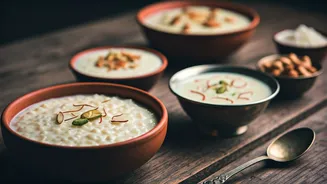
In South India, particularly Kerala and Tamil Nadu, Paal Payasam is the epitome of purity and tradition. Unlike its northern cousins, this kheer stands out for its simplicity, traditionally made with just rice, full-fat milk, and sugar, slow-cooked to creamy
perfection. Often served as 'prasadam' in temples, its preparation is a ritual in itself, resulting in a divinely rich and comforting dessert. The focus is entirely on the quality of the milk and the slow-cooking process, which allows the rice to release its starch and the milk to thicken naturally, creating an unparalleled creamy texture without the need for nuts or elaborate flavourings. It's a staple during festivals like Onam and Pongal, symbolising abundance and auspicious beginnings.
The Bengali Winter Jewel: Nolen Gurer Payesh
Come winter, Bengali households celebrate the arrival of 'nolen gur', or fresh date palm jaggery, with the iconic Gurer Payesh. This isn't just any kheer; it's a seasonal delicacy defined by the unique, smoky aroma and caramel-like sweetness of the jaggery. The recipe often uses fragrant Gobindobhog rice, a short-grained variety native to Bengal, which contributes to the payesh's creamy consistency. The process requires care—the jaggery is added off the heat after the rice is cooked to prevent the milk from curdling. The result is a velvety, light brown pudding that is the essence of winter comfort and a cornerstone of Bengali festive cuisine.
The Festive Favourite: Sheer Khurma
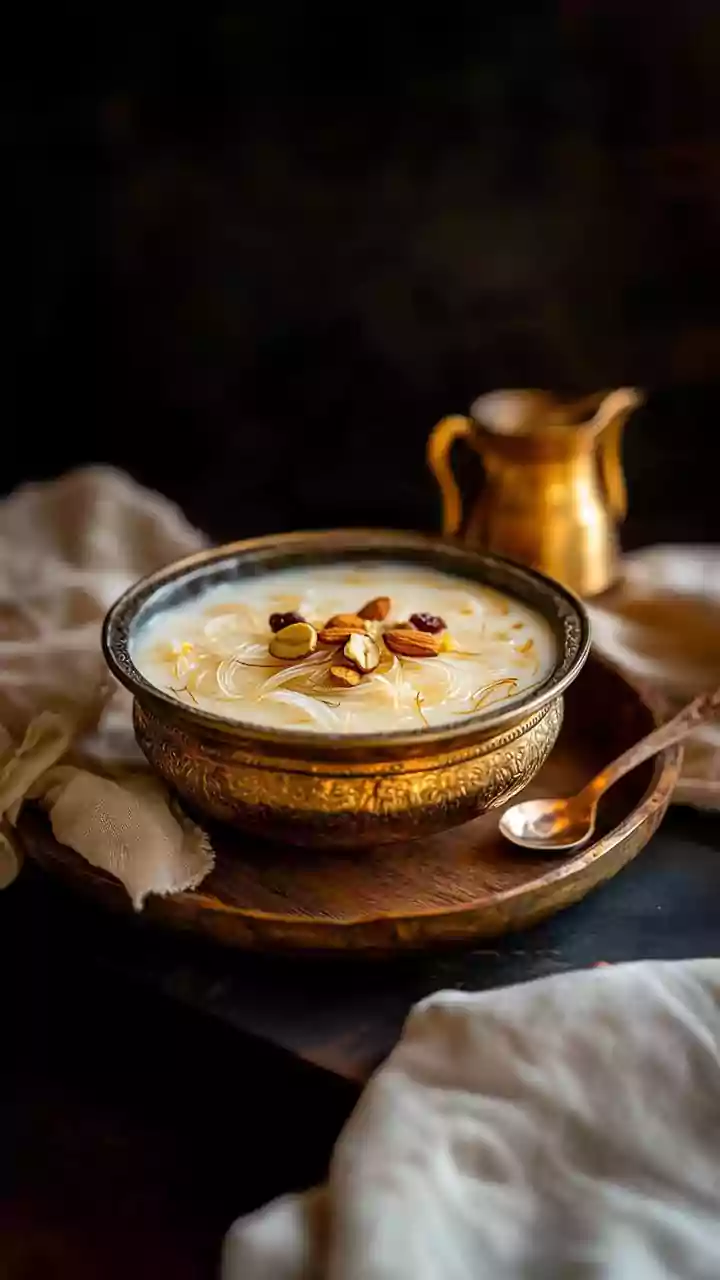
A rich and festive dessert, Sheer Khurma is synonymous with Eid celebrations across the Indian subcontinent. The name translates to "milk with dates" in Persian. This Mughlai-origin kheer is made with fine vermicelli (seviyan), milk, sugar, and, most importantly, dates. The preparation involves frying the vermicelli in ghee before adding it to simmering milk, along with a generous amount of chopped nuts like almonds, pistachios, and cashews. Dried dates (chhuwara) are soaked and sliced, lending a unique chewy texture and deep sweetness to the dish. Flavoured with cardamom and sometimes rose water or saffron, Sheer Khurma is a luxurious, celebratory pudding enjoyed with family and friends.
The Fasting Food: Makhane Ki Kheer
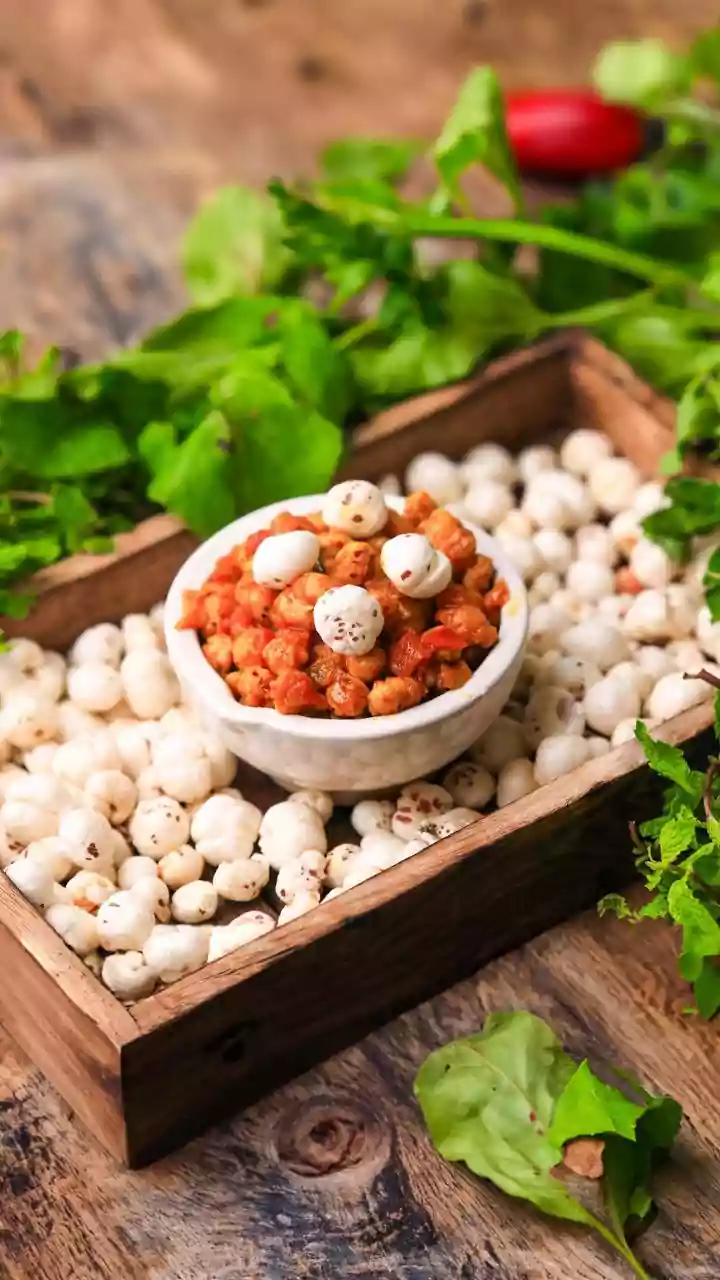
Makhane ki Kheer, made from puffed lotus seeds (fox nuts), is a popular dessert during fasting periods like Navratri and Mahashivratri. Light yet nutritious, makhana is roasted in ghee until crisp before being simmered in milk. Some of the roasted makhanas are coarsely crushed to help thicken the kheer, while others are left whole, providing a delightful soft and chewy texture. Sweetened with sugar and flavoured with cardamom powder and saffron, this kheer is often studded with cashews and raisins. It’s a healthy indulgence, as makhana is rich in protein and other nutrients, making it a perfect, comforting dish for fasts or any special occasion.
The Unique Indulgence: Chhenar Payesh
Another gem from Bengal, Chhenar Payesh is a unique dessert where the star ingredient is fresh, crumbly cottage cheese (chhena). Unlike rice or vermicelli-based kheers, this payesh involves making fresh chhena by curdling milk, then crumbling it into sweetened, thickening milk. The result is a stunning combination of textures: the creamy, reduced milk base studded with soft, spongy morsels of chhena. It is a quicker alternative to many other payesh varieties and was traditionally a staple in affluent households, served during weddings and special ceremonies. Flavoured with cardamom and garnished with pistachios, it is a sophisticated and delightful treat.