




The Lithium-Ion Problem
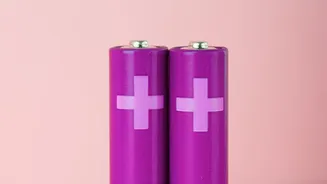
For years, the electric vehicle revolution has been powered by lithium-ion batteries. They are in our phones, laptops, and, most importantly, our electric scooters and motorcycles. While effective, they have a significant downside: cost. The price of
lithium, along with other essential materials like cobalt and nickel, can be volatile. More critically for India, these resources are scarce domestically, meaning manufacturers are heavily reliant on imports, primarily from China. This dependence creates supply chain risks and keeps the final price of an electric two-wheeler stubbornly high for many potential buyers. The battery alone can account for a massive chunk of an EV's total cost, making any reduction in battery price a game-changer for the entire market.
Enter Sodium-Ion: The Salt Solution
This is where sodium-ion technology comes in. The basic principle is the same as a lithium-ion battery: ions move between two electrodes to store and release energy. But instead of using lithium, these batteries use sodium, the sixth most abundant element on Earth and easily sourced from common salt. For India, which has vast sodium resources, this is a monumental advantage. The technology is no longer just a lab experiment; 2026 has been a breakthrough year with major global manufacturers like CATL starting mass production. This shift from lithium to sodium promises to create a more secure, stable, and ultimately cheaper supply chain for battery manufacturing right here in India.
Why Salt Is a Game-Changer for India
The primary benefit of sodium-ion batteries is the potential for significant cost reduction, with some estimates suggesting they could be 20-30% more economical than lithium-ion alternatives once produced at scale. They are also considered safer, as sodium is less reactive than lithium, reducing the risk of fire. Another major plus is their performance in extreme temperatures; they retain their efficiency far better in the cold, a known weakness of some lithium-ion chemistries. Several Indian companies are already pioneering this space. Firms like Indi Energy, Rechargion, and GODI are developing homegrown sodium-ion solutions. Indi Energy is even using agricultural waste to produce a key component, turning a local environmental problem into a high-tech solution. This local innovation is crucial for achieving 'Atmanirbhar Bharat' in the energy sector.
Hurdles on the Road Ahead
Despite the excitement, sodium-ion batteries are not a perfect, immediate replacement for all applications. Their main challenge is lower energy density. This means that for the same weight, they store less energy than a high-end lithium-ion battery. For a long-range electric car, this is a significant drawback. However, for the Indian two-wheeler market, where daily commutes are shorter and cost is paramount, this trade-off is much more acceptable. While recent breakthroughs have seen energy density improve significantly, closing the gap with some types of lithium batteries, scaling up manufacturing to meet massive demand is the next major obstacle.
What This Means for Your Next Scooter
The transition won't happen overnight. While mass production is beginning this year, it will take time for these new batteries to be integrated into the two-wheelers sold in showrooms across India. Initially, we might see them in entry-level models or in hybrid packs alongside lithium-ion cells. But the momentum is undeniable. Global battery giants are investing heavily, and Indian startups are innovating at a rapid pace, with some already getting their cells certified by Indian authorities like ARAI. The promise is clear: a future where the electric scooter or motorcycle is no longer a premium purchase but an accessible and affordable choice for the average Indian family. The path to cheaper electric two-wheelers is being paved with salt, and it leads to a more sustainable and self-reliant future for Indian mobility.