






The Pest Problem in the Concrete Jungle
Picture a rooftop garden, lush with kale and tomatoes, right in the heart of the city. It’s a key part of a healthier, more sustainable food system. But for urban farmers, this dream is constantly under attack. Pests like aphids, whiteflies, and spider
mites don’t care about zoning laws. In dense city environments, traditional pest control is a major headache. Spraying chemical pesticides can be risky for nearby residents and conflicts with the organic principles many urban farms are built on. Traditional organic methods like introducing beneficial insects or using neem oil are vital, but they aren't always enough to prevent significant crop damage. This challenge has sent scientists and farmers looking for out-of-the-box solutions that are both effective and environmentally safe.
Sound as a Silent, Vibrational Shield
Enter the strange and promising field of bioacoustics, which studies how living things produce and perceive sound. The latest innovation isn't about blasting pests with loud, annoying noises that humans can hear. Instead, it focuses on low-frequency sounds and substrate-borne vibrations—subtle rumbles that travel through soil, stems, and leaves. Many insects, from leafhoppers to aphids, live in a world of vibration. They use it to find mates, locate food, and detect approaching predators. This new pest control strategy essentially hacks their communication system, creating an environment of confusion and perceived danger that makes them want to pack up and leave.
How Vibrations Drive Pests Away
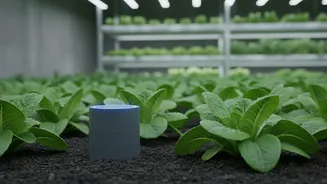
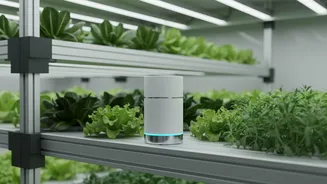
The mechanism is surprisingly elegant. Devices, often small exciters or transducers, are placed in the soil or attached to plant support structures like trellises. They emit specific vibrational signals. For some pests, this creates a constant, disruptive background noise that masks the signals they rely on to mate and organize. Imagine trying to have a conversation in the middle of a rock concert; it’s nearly impossible. Studies have shown this 'mating disruption' can dramatically reduce pest reproduction. For other species, the vibrations can mimic the presence of a predator, triggering a powerful instinct to flee. The goal isn't necessarily to kill the pests, but to make the farm an uninhabitable and stressful place, encouraging them to disperse naturally without the use of chemicals.
A Game-Changer for Organic and Urban Farming
This technology is a particularly exciting development for the organic movement. Since it uses no synthetic chemicals, it aligns perfectly with organic certification standards. Unlike broad-spectrum pesticides that can harm beneficial insects like pollinators, vibrational methods can be highly targeted. By tailoring frequencies to the specific hearing or sensory range of a pest species, it's possible to deter the bad bugs while leaving the good ones—like bees and ladybugs—unharmed. For urban farms, the benefits are even clearer. The systems are quiet to human ears and there is no chemical drift to worry about, making them safe for densely populated areas. It's a discreet, clean-tech solution for a modern agricultural setting.
From Lab to Rooftop: The Future of Acoustic Pest Control
While the science is sound, vibrational pest control is still an emerging technology. Researchers have seen promising results in controlled settings and specific field trials, such as in vineyards to control leafhoppers and in greenhouses to deter whiteflies. The main hurdles to widespread adoption are scalability and cost. Applying these vibrations effectively across a large, open field is more challenging than in a contained greenhouse, though systems using solar power are being developed. As the technology matures and becomes more affordable, these 'sonic shields' could become a standard tool in the integrated pest management (IPM) toolkit, helping farmers protect their crops, the environment, and public health all at once.