



The Aftermath of a World Cup Dream
The year 1996 was a tumultuous one for Indian cricket. The team, led by the stylish Mohammad Azharuddin, had entered the Wills World Cup on home soil as one of the favourites. Sachin Tendulkar himself was in sublime form, finishing the tournament as the highest
run-scorer with 523 runs. However, the dream ended in heartbreak and chaos during the semi-final against Sri Lanka at Eden Gardens. Chasing 252 for victory, the Indian batting line-up collapsed dramatically after Tendulkar's dismissal for 65, slumping to 120/8. The ensuing crowd trouble forced the match to be awarded to Sri Lanka, a painful exit that put Azharuddin's long-standing captaincy under immense scrutiny. Although Azharuddin had been a successful leader, captaining India in three World Cups and securing 90 ODI victories, the semi-final debacle signaled a need for change. The selectors were looking for a fresh start and a new direction.
The Undisputed Heir
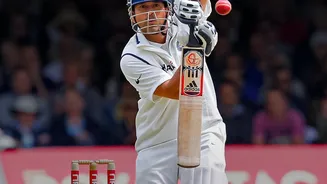
In the mid-90s, Tendulkar wasn't just a player; he was a phenomenon. Since his debut in 1989, he had become the fulcrum of the Indian batting order. He was the team's vice-captain during the 1996 World Cup and was universally respected for his cricketing brain and impeccable work ethic. With Azharuddin's authority weakened, Tendulkar was the only logical and inspiring choice. There were other senior players in the squad, but none commanded the same level of automatic respect or possessed the aura that Tendulkar did. He was seen as a unifying figure with a clean image, a stark contrast to the controversies that were beginning to swirl around the game. The decision was born out of a belief that the best and most committed player, the one who was already winning matches single-handedly with the bat, would naturally be the best leader.
The Weight of Expectation
Handing the captaincy to Tendulkar was also a strategic move to pass the torch to a new generation. At 23, he was young, but he had already been in international cricket for seven years. The selectors were investing in a long-term leader who could build a team in his own image: dedicated, professional, and relentlessly competitive. However, the role was a double-edged sword. Tendulkar was known for his intense focus on his own batting, and the captaincy brought with it a host of off-field responsibilities and pressures that could distract from his primary role as the team's premier batsman. He was now responsible for the entire team's performance, a burden that many felt was unfairly placed on such a young player, regardless of his genius. His own devotion to perfection meant he often struggled to understand why his teammates couldn't always match his incredible standards.
A Difficult Stint
Tendulkar's first tenure as captain, which began in August 1996, proved to be challenging. While there were individual highlights, including a brilliant Test series against South Africa at home, the team's overall performance was inconsistent, particularly on overseas tours. The pressure of leading a team that was heavily dependent on his own runs began to take a toll. By late 1997, after just over a year in charge, the captaincy was handed back to Azharuddin. Tendulkar himself later expressed disappointment with the short duration of his first stint, feeling he wasn't given enough time to truly shape the team. It became clear that being a phenomenal player didn't automatically translate to being a successful captain, especially in a team undergoing a transition and with several senior players to manage.