




Lohagad Fort, Maharashtra
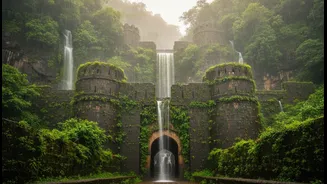
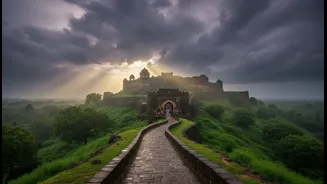
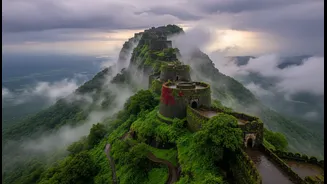
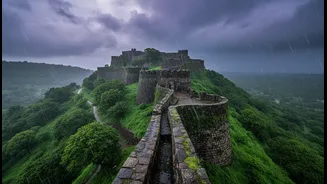
Often called the 'Iron Fort', Lohagad is a classic monsoon trek for visitors from Mumbai and Pune. During the rains, this UNESCO World Heritage site becomes a green paradise. The trail leading to the fort is enveloped in mist, with small waterfalls cascading
down the stone steps. The fort's highlight is the 'Vinchu Kata' or scorpion's tail, a narrow, fortified ridge that juts out into the valley. Walking along this path with clouds drifting around you is an unforgettable experience. The climb is relatively easy, making it ideal for beginners and families looking for a day trip. However, the stone paths can become slippery, so sturdy footwear is a must for a safe and enjoyable trek.
Rajmachi Fort, Maharashtra
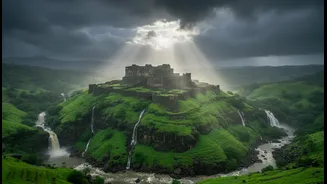
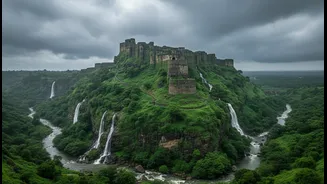
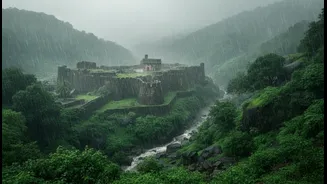
Nestled in the Sahyadris, Rajmachi is not one but two forts: Shrivardhan and Manaranjan. A favourite among trekkers, the route to Rajmachi from Lonavala or Karjat becomes exceptionally scenic during the monsoon. The landscape is a riot of greens, with misty valleys and countless waterfalls. The journey itself is a major part of the appeal, taking you through dense forests and quaint villages. The forts themselves offer stunning panoramic views of the surrounding hills. The area is also famous for fireflies just before the monsoon fully sets in, adding another layer of magic to this historic site. While beautiful, the monsoon trek can be demanding due to muddy and slippery trails, so it's best to be well-prepared.
Mandu, Madhya Pradesh
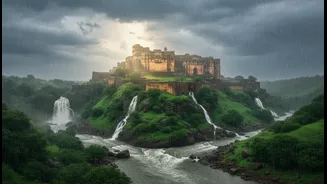
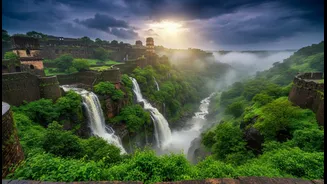
The entire city of Mandu, or the 'City of Joy', is a monsoon delight. This fortified city, perched on the Vindhya Range, is dotted with magnificent Afghan architectural ruins that acquire a romantic charm in the rainy season. The palaces, tombs, and mosques are surrounded by lush greenery and reflected in the many lakes and ponds that fill up with rainwater. Key sights like the Jahaz Mahal (Ship Palace), which looks like a ship floating between two artificial lakes, and the Baz Bahadur Palace become even more picturesque. Even Emperor Jehangir was captivated by Mandu's monsoon beauty. The moderate rainfall and fewer crowds make it an ideal off-season destination for those looking to explore history amidst serene, natural beauty.
Kumbhalgarh Fort, Rajasthan
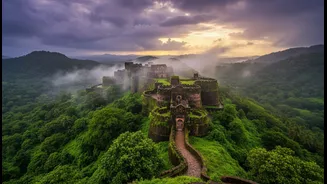
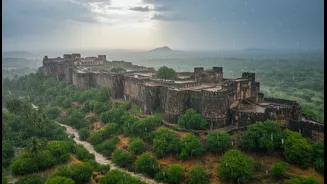
While Rajasthan is known for its arid landscapes, the monsoon brings a surprising and stunning transformation to the Aravalli Hills surrounding Kumbhalgarh Fort. This UNESCO World Heritage site, with its massive wall second only to the Great Wall of China, looks breathtaking as it emerges from the monsoon clouds. The surrounding hills turn a vibrant green, and the drive to the fort itself becomes a scenic journey through refreshed landscapes and seasonal waterfalls. Visiting Kumbhalgarh during the rains allows you to experience a different side of Rajasthan—cool, green, and tranquil. The fort is less crowded, offering a peaceful opportunity to explore its many temples and palaces while enjoying panoramic views of the misty green valleys.