




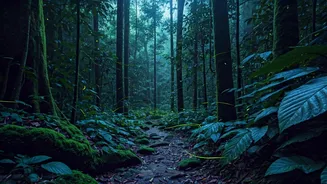




The Monsoon's Secret Pantry
For generations, the monsoon has been synonymous with a different kind of harvest. This isn't the carefully cultivated produce of large-scale farms, but a fleeting, wild bounty that emerges from forests, hillsides, and grasslands. These uncultivated edibles,
often called ‘ranbhaji’ in Maharashtra or known by various local names across the country, represent a direct link between the season and the plate. They are the ultimate expression of seasonal, local eating—a tradition not born of a trendy food movement, but of ecological necessity and deep-rooted knowledge passed down through generations. This is nature’s larder, opening for just a few months each year, offering flavours, textures, and nutrients not found at any other time.
Meet The Stars of the Season
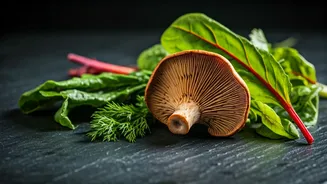
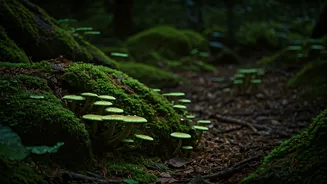
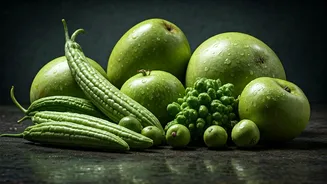
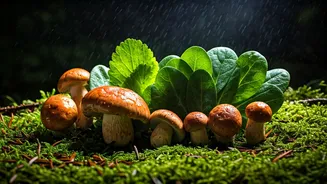
The cast of characters in this rainy-season story is as diverse as India's landscape. In the Western Ghats, you'll find the coveted fiddlehead ferns, known locally as ‘lingdi’ or ‘dhekia xaak’ in Assam. These tightly curled fronds have a crisp, green flavour reminiscent of asparagus and beans. Then there's the spiny gourd, or ‘kantola,’ a small, green, bumpy vegetable that looks like a miniature bitter melon but tastes far milder and sweeter when cooked. It’s prized for its texture and nutritional value. The season also brings forth a stunning variety of wild mushrooms, from the meaty ‘dev-anbe’ to the delicate ‘alami’ that grow on termite mounds in Goa. And we can't forget foraged greens like ‘shevla’ (dragon stalk yam), which requires careful preparation but rewards with a unique taste and texture.
A Taste of Tradition and Health
These wild ingredients are more than just novelties; they are pillars of regional cuisines and traditional medicine. For centuries, rural and tribal communities have relied on them for vital nutrition during the lean monsoon months when other food sources might be scarce. These plants are packed with micronutrients, antioxidants, and fibre. A simple stir-fry of ‘phodshi’ (a wild green), a ‘kantola’ curry, or a chutney made from foraged leaves connects the eater to a vast repository of ancestral wisdom. These recipes are often simple, designed to highlight the ingredient’s natural flavour. They tell a story of resilience, resourcefulness, and a profound understanding of the local ecosystem.
The Modern Forager's Challenge
Today, this wild produce is experiencing a renaissance. Top chefs in urban centres are championing these ingredients on their menus, introducing a new generation of diners to forgotten flavours. This renewed interest is crucial for preserving culinary heritage and creating economic opportunities for the local communities that harvest them. However, it also brings challenges. The line between edible and toxic is often thin, and the knowledge to forage safely rests with a dwindling number of elders. There is a real danger of over-harvesting to meet urban demand, which could decimate these wild resources. The story to watch, then, is how we balance this growing appreciation with the need for sustainability, fair compensation for foragers, and the preservation of traditional ecological knowledge.