




Choose Your Destination Wisely
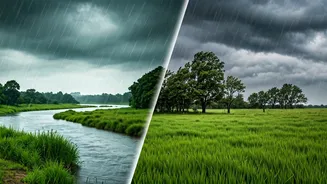
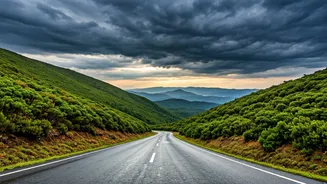
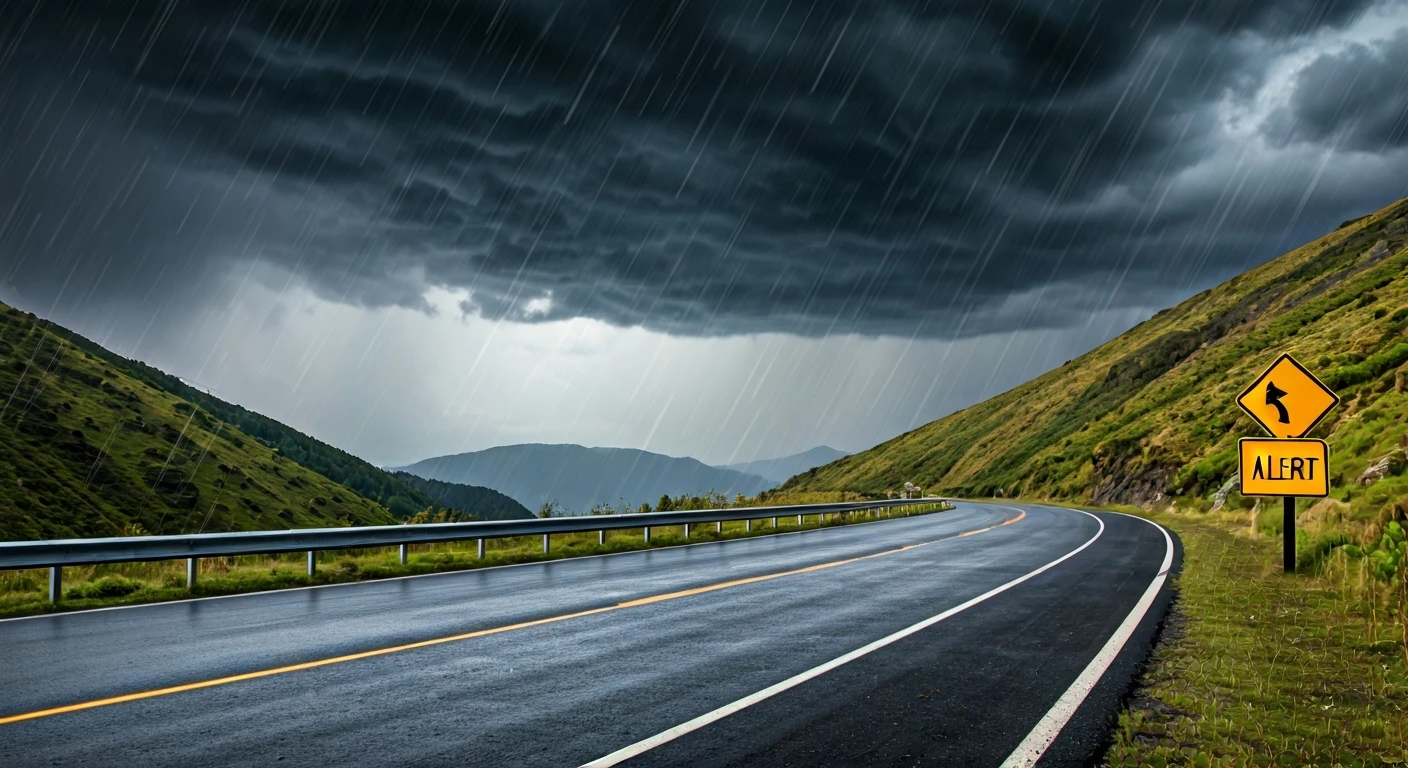
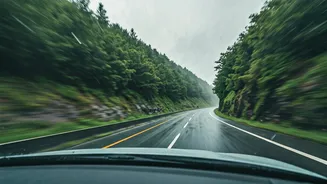
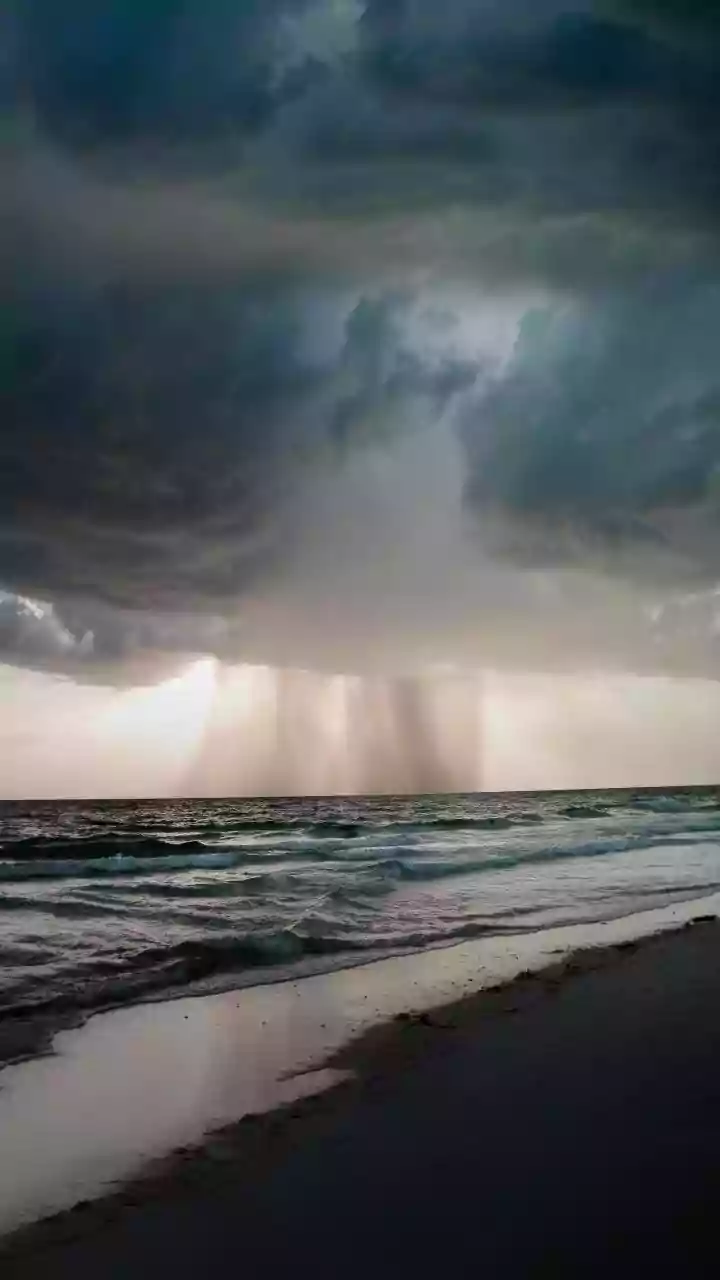
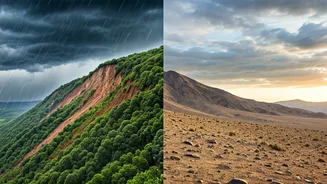
Not all destinations are created equal during the monsoon. While the rain enhances the beauty of many places, it makes others treacherous. Regions like Uttarakhand, Himachal Pradesh, and parts of the Western Ghats are prone to landslides and flash floods.
In recent years, authorities have frequently issued warnings and even temporarily halted travel to places like Kedarnath and Manali during periods of heavy rain. Instead of heading to high-risk mountain areas, consider places known for moderate rainfall or those in rain-shadow regions. A little research goes a long way in preventing a situation where you might get stranded. Always check the weather forecast not just for your travel dates, but for the week leading up to them.
Prioritise Safety Over the Perfect Selfie
The allure of a roaring river or a cliff edge shrouded in mist is strong, but it's also where the biggest dangers lie. Recent incidents have highlighted the deadly consequences of ignoring safety warnings for the sake of a photo. Swollen rivers can have deceptively strong currents, and water levels can rise suddenly without warning due to rainfall upstream or releases from dams. Authorities repeatedly urge tourists to stay away from riverbanks, bridges, and other hazardous spots. Heed local advice and warning signs. No photograph is worth your life. Similarly, avoid being too adventurous on treks. Stick to marked, paved trails, as unexplored routes can become dangerously mucky and unpredictable in the rain.
Lighten Your Environmental Footprint
The monsoon revitalises nature; let's not spoil it with our waste. One of the biggest challenges in tourist spots, especially during peak season, is the management of garbage. As a responsible traveller, your goal should be to leave a place cleaner than you found it, or at the very least, leave no trace. Carry a reusable water bottle to minimise plastic waste. Pack snacks in reusable containers and bring a small bag to carry your trash back with you until you find a proper disposal bin. Avoid single-use plastics like straws and cutlery. When trekking, be mindful not to disturb the natural flora and fauna. These small actions collectively make a huge difference in preserving the fragile ecosystems you’ve come to enjoy.
Pack Smart, Not Just Light
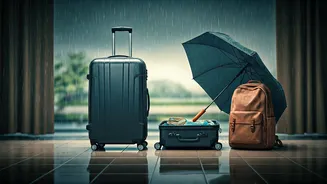
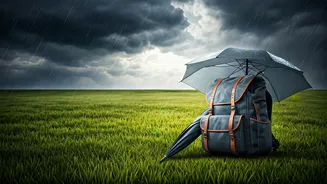
Monsoon packing is a science. Your comfort and safety depend on it. Quick-drying synthetic clothes are your best friends; leave heavy jeans and cottons at home as they take ages to dry and can leave a musty smell. A reliable raincoat or poncho and an umbrella are non-negotiable. For footwear, opt for waterproof sandals with good grip or anti-skid trekking shoes. Protect your electronics with waterproof bags or zip-lock pouches. A basic first-aid kit with medication for common ailments like colds and stomach issues, along with insect repellent, is crucial, as the monsoon is also a peak time for mosquitoes.
Support Local, Respectfully
Responsible travel also has a social dimension. Whenever possible, choose to support the local economy directly. Opt for locally-owned homestays over large hotel chains, hire local guides who have invaluable knowledge of the terrain and culture, and eat at small, family-run eateries. This ensures that the economic benefits of tourism reach the community. However, be mindful of local customs and traditions. Dress modestly, especially when visiting religious sites. Always ask for permission before taking photographs of people. Being a respectful guest not only fosters goodwill but also enriches your own travel experience, allowing for more authentic and meaningful interactions.