







Waterproofing Is Your Best Friend
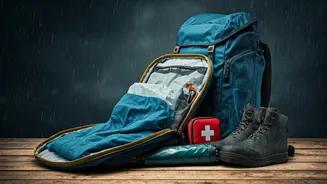
This is non-negotiable. The charm of a downpour quickly fades when you and your belongings are soaked through. Invest in a high-quality, breathable raincoat or poncho. A cheap plastic one will make you sweat in the humidity. Equally important is a waterproof
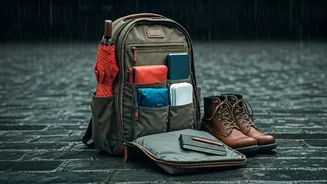
cover for your backpack. Even if your bag claims to be 'water-resistant', an extra layer of protection is vital during a torrential shower. For your most precious items—phone, wallet, camera, and power bank—a small, dedicated 'dry bag' is a brilliant investment. These are completely watertight and offer peace of mind when you're caught in a storm or crossing a stream.
Choose Your Footwear Wisely
Your favourite leather boots or canvas sneakers have no place on a monsoon trip. They absorb water, take forever to dry, and can become a breeding ground for fungus. Instead, opt for rubber floaters, sturdy sandals with good grip, or specialised quick-drying trekking shoes with anti-slip soles. The key is grip. Mossy stones, muddy trails, and slick city pavements become treacherous hazards. Your footwear should be comfortable enough for walking but rugged enough to handle slippery surfaces. Always pack a spare pair, so one can dry while you wear the other.
Rethink Your Wardrobe
Cotton is comfortable, but it's a poor choice for the monsoon. It absorbs moisture heavily and takes ages to dry in the damp air, leaving you feeling cold and clammy. The solution? Synthetic and blended fabrics like polyester, nylon, and rayon. They are lightweight, don't hold much water, and dry incredibly quickly, often overnight in a ventilated room. Pack light, airy clothes in dark colours that won't show mud splashes. Think three-quarter pants or shorts instead of full-length trousers that will drag in puddles and mud. A few light layers are always better than one heavy jacket.
Pack a Monsoon-Specific Health Kit
The monsoon brings with it a higher risk of water-borne diseases and insect-borne illnesses. Your standard first-aid kit needs a few upgrades. In addition to basics like bandages, antiseptic wipes, and pain relievers, include a strong insect repellent containing DEET. Also pack medication for stomach upsets, anti-fungal powder for your feet, and water purification tablets or a portable filter bottle. Mosquitoes are most active during this season, so repellent is crucial, especially in the evenings. Hand sanitiser is another must-have for situations where clean water isn't readily available for washing hands.
Gadgets, Power, and Dryness
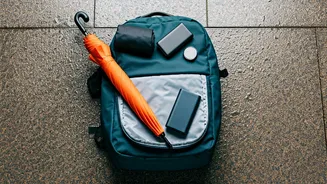
Power cuts can be more frequent during the monsoon, especially in remote areas. A fully charged, high-capacity power bank is essential to keep your phone and other devices running. As mentioned, a waterproof pouch for your phone is a small investment that can save you from a major expense. Another useful item is a torch or headlamp; it’s invaluable during power outages or if you're navigating poorly lit paths after dark. A pro tip: toss a few silica gel packets (the kind you find in new shoe boxes) into your electronics bag. They absorb ambient moisture and help protect your gadgets from humidity-related damage.
Protect Your Important Documents
A rain-soaked passport or ID card is a traveller's nightmare. Keep all your essential documents—ID, tickets, hotel bookings—in a sealed, waterproof plastic folder. It's also a smart habit to have digital copies of everything saved to your phone and a cloud service like Google Drive or Dropbox. This redundancy ensures that even if you lose the physical copies or your phone gets damaged, you can still access your crucial information from another device. This simple step can save you a world of trouble and stress.