



What Exactly Is the Skin Barrier?
Think of your skin’s outermost layer, the stratum corneum, as a brick wall. The bricks are your skin cells (corneocytes), and the mortar holding them together is a mix of natural fats like ceramides, cholesterol, and fatty acids. This structure is your skin barrier.
Its main job is twofold: to keep good things, like water, locked in to maintain hydration, and to keep bad things, like pollutants, bacteria, and irritants, out. A healthy, functioning barrier is the foundation of smooth, calm, and resilient skin. When it's working properly, your skin looks and feels its best.
Signs Your Barrier Might Be Damaged
How can you tell if your barrier needs help? Your skin will likely send clear signals. Common signs of a compromised barrier include persistent dryness, flakiness, or a tight feeling, even after you’ve moisturised. You might also experience increased sensitivity, where products that used to be fine suddenly cause stinging or burning. Other tell-tale signs are redness, inflammation, itchiness, and even a sudden increase in breakouts. If your skin feels uncomfortable more often than not, it's a strong indication that your protective barrier is weakened.
Everyday Culprits That Weaken Your Skin
Several factors in our daily lives can weaken the skin barrier. One of the biggest offenders is using harsh cleansers that strip the skin of its natural oils. Over-exfoliating with strong acids or abrasive scrubs can also cause micro-tears and disrupt the delicate lipid matrix. Environmental factors play a huge role, especially in the Indian context. Sun exposure is a major cause of barrier damage. Daily exposure to pollution, from traffic fumes to industrial emissions, generates free radicals that lead to inflammation and weaken your skin's defences. Even seemingly harmless habits like washing your face with very hot water can compromise your barrier's health.
Your Barrier Repair Toolkit: Key Ingredients
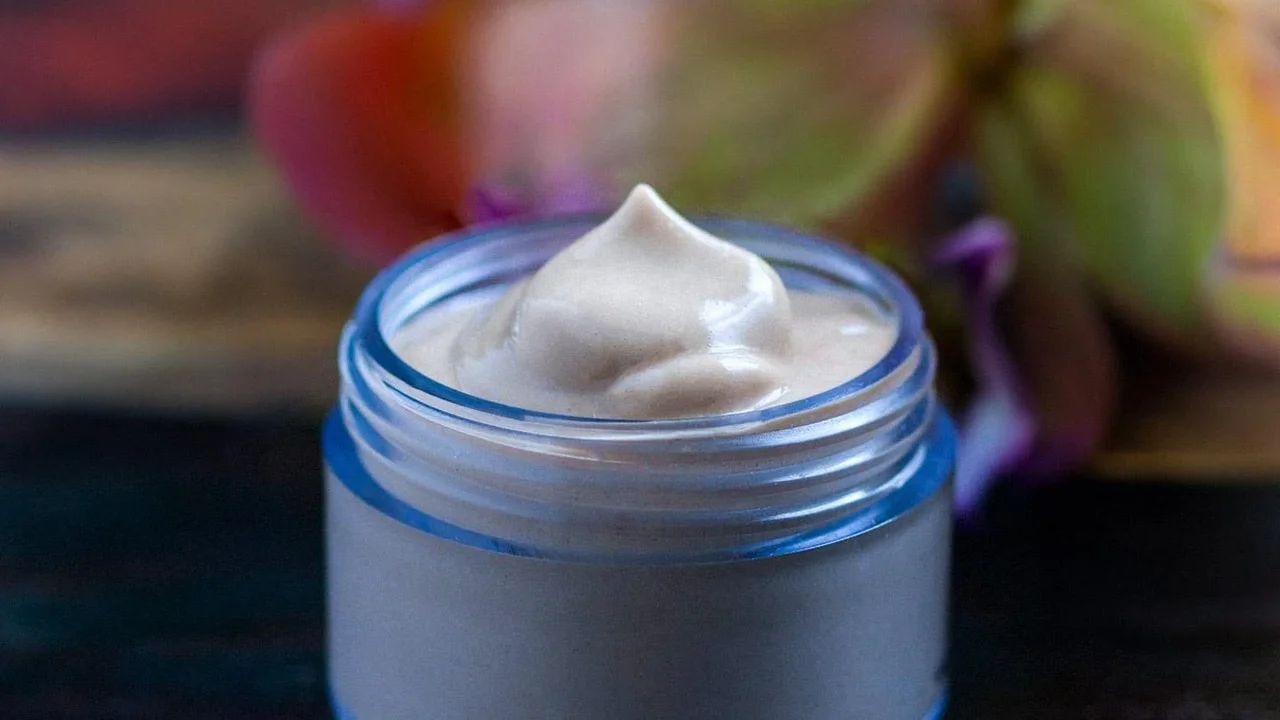
The good news is that a damaged barrier can be repaired with the right ingredients. Look for products containing ceramides, which are lipids that naturally make up over 30-40% of your barrier and help restore its structure. Hyaluronic acid is another hero ingredient; it's a humectant that draws moisture into the skin, keeping it plump and hydrated. Niacinamide, a form of vitamin B3, is a multitasking marvel that helps calm inflammation, reduce redness, and stimulate the natural production of ceramides. Other beneficial ingredients include soothing agents like panthenol and peptides, and occlusives like shea butter, which create a protective seal to prevent moisture loss.
Building a Simple, Barrier-Friendly Routine
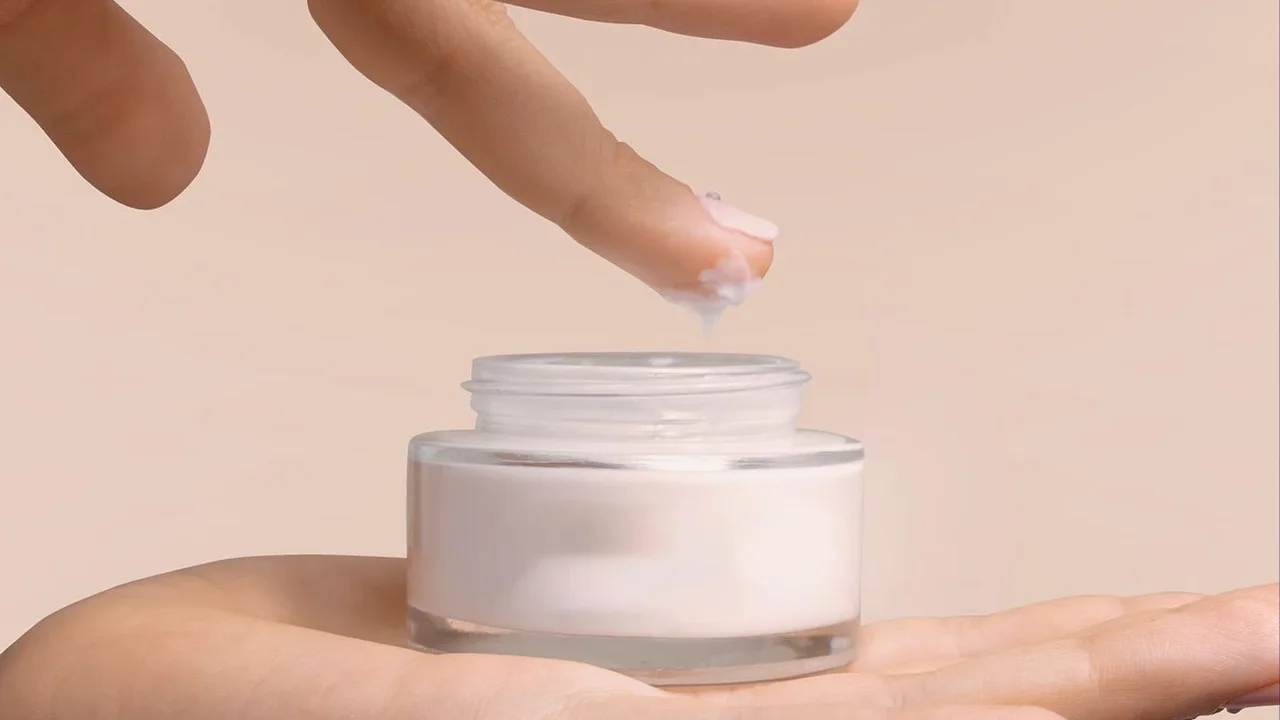
Repairing your skin barrier doesn't require a complicated 10-step routine. In fact, simplifying is often the best approach. Start with a gentle, pH-balanced, fragrance-free cleanser that cleans your skin without leaving it feeling tight or dry. Follow up with a hydrating serum containing ingredients like hyaluronic acid or niacinamide while your skin is still damp. Next, apply a moisturiser rich in ceramides, lipids, and other repairing ingredients to nourish the skin and lock in hydration. The final, non-negotiable step is applying a broad-spectrum sunscreen with at least SPF 30 every single morning. Sun protection is crucial to prevent further damage and allow your barrier to heal.