






The Science Behind the Suffering
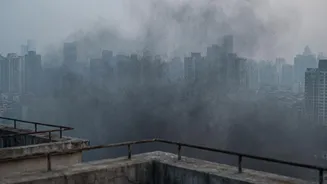
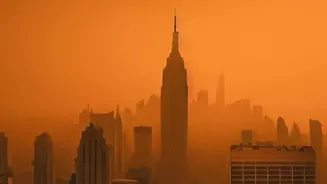
Delhi's air is a complex cocktail of pollutants, but the primary culprits behind skin damage are Particulate Matter (PM2.5), ground-level ozone (O₃), and nitrogen dioxide (NO₂). These microscopic particles are small enough to penetrate the skin's outermost
layer, known as the skin barrier. This barrier is our first line of defence, responsible for keeping moisture in and irritants out. When pollutants compromise it, they trigger a process called oxidative stress. This is an imbalance that leads to free radicals—unstable molecules that damage skin cells, break down collagen, and cause inflammation. The result is a weakened defence system, leaving your skin vulnerable to a host of problems.
What Pollution-Stressed Skin Looks Like
The damage from poor air quality can manifest in several ways, often exacerbating existing conditions or creating new ones. One of the most common complaints is an increase in acne and breakouts. Pollutants clog pores and disrupt the skin's natural balance of microorganisms, creating a perfect environment for pimples to form. For those with chronic inflammatory conditions like eczema and psoriasis, the spike in pollution can trigger painful and persistent flare-ups. Many also notice signs of premature ageing, such as fine lines, wrinkles, and hyperpigmentation (dark spots), as pollutants accelerate the breakdown of collagen and elastin, the proteins that keep skin firm and youthful. A general increase in sensitivity, redness, and dullness is another tell-tale sign that your skin is struggling to cope.
Your Daily Defence Plan
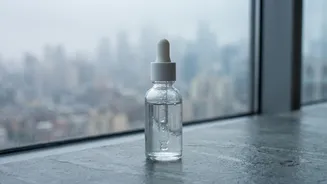
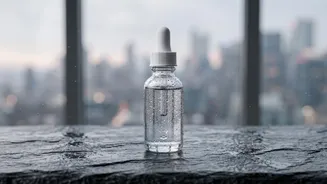
While you can't control the Air Quality Index (AQI), you can adopt a defensive skincare routine to mitigate the damage. The first, most crucial step is thorough cleansing. A double-cleansing method—starting with an oil-based cleanser followed by a gentle, water-based one—is highly effective at removing stubborn particulate matter without stripping the skin of its natural oils. Next, incorporate an antioxidant serum. Products containing Vitamin C, Vitamin E, or niacinamide help neutralize the free radicals caused by pollution and protect the skin from oxidative stress. The third step is to moisturise diligently. Look for moisturisers with ingredients like ceramides, hyaluronic acid, and glycerin, which help repair and strengthen the skin's natural barrier. Finally, never skip sunscreen. UV radiation and pollution have a synergistic effect, meaning they cause more damage together than they would alone. A broad-spectrum sunscreen is a non-negotiable final step in your morning routine, even on hazy, overcast days.
When to Call in the Experts
A good skincare routine can manage many pollution-related issues, but some symptoms signal the need for professional medical advice. If you experience persistent itching that disrupts your daily life or sleep, it's time to see a doctor. Similarly, a rash that spreads rapidly, becomes painful, or shows signs of infection—such as pus, oozing, or yellow crusts—requires immediate attention. If your acne suddenly becomes severe and cystic, or if an existing condition like eczema or psoriasis flares up and doesn't respond to your usual treatments, a dermatologist can offer targeted therapies. As a general rule, any skin problem that persists for more than a couple of weeks despite at-home care, or any change in a mole's size, shape, or colour, should be evaluated by a professional.