

The Unpredictable Monsoon
Traditionally, the southwest monsoon begins its withdrawal from northwest India in early September, bringing drier weather to the Himalayan states. This made it an ideal window for trekking and tourism. However, climate change is altering this rhythm.
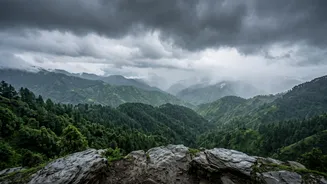
The monsoon is becoming more erratic, with patterns of delayed withdrawal, prolonged wet spells, and sudden, intense bursts of rain extending deeper into the month. Recent years have shown that what was once considered the post-monsoon season is now frequently experiencing active and heavy rainfall. This shift means the old assumptions about a dry and stable September no longer hold true, creating new and often underestimated dangers for travellers.
Why Late-Season Rains Are So Dangerous
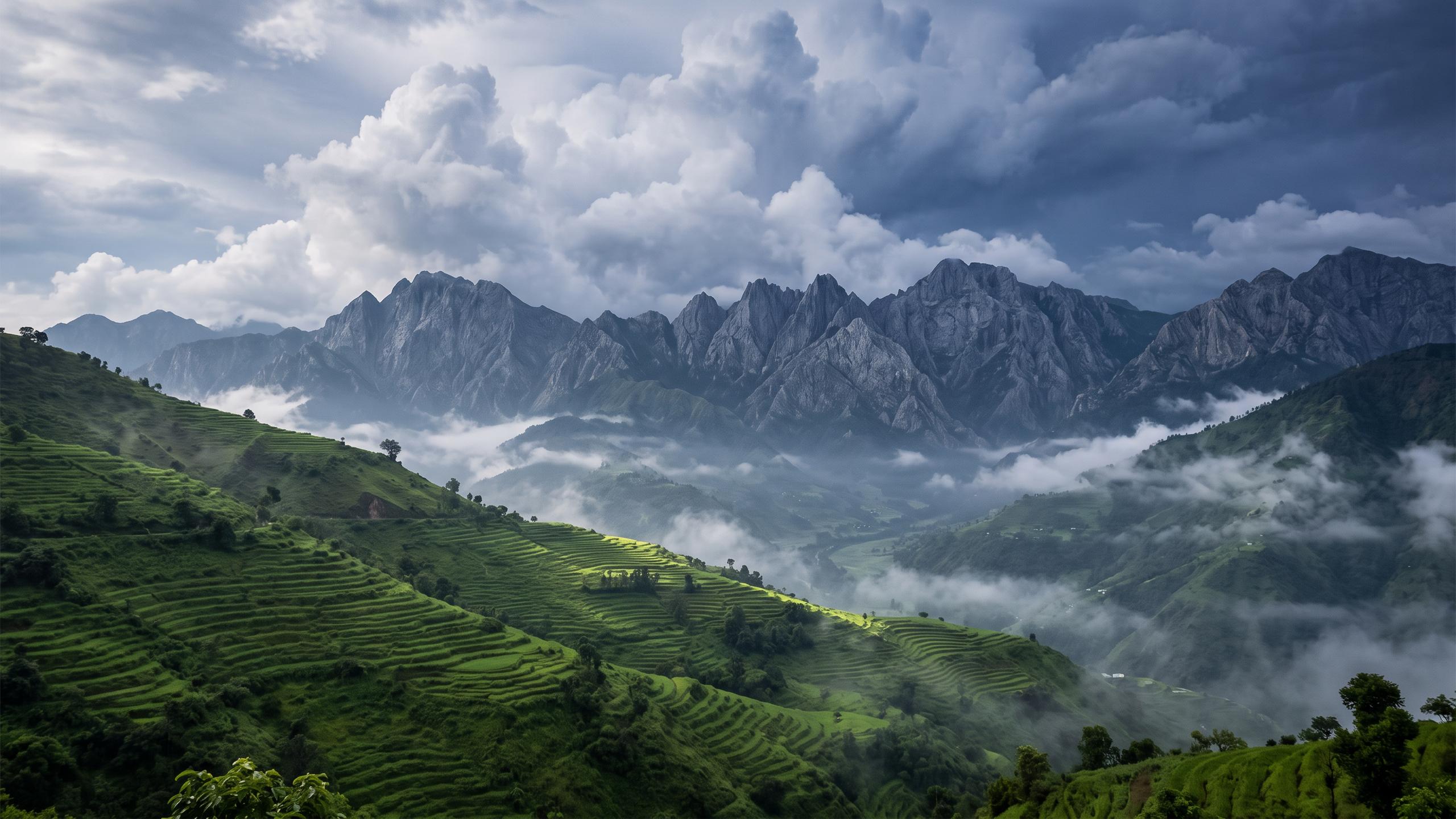
The primary danger isn't just getting wet; it's the profound impact of late-season rain on the terrain itself, especially in geologically fragile areas like the Himalayas. Months of monsoon rain already leave the soil completely saturated. When more heavy rain falls on this waterlogged ground, its capacity to absorb more water is virtually zero. This leads to rapid surface runoff, which can trigger flash floods in valleys and streams with terrifying speed. More critically, the saturated slopes become highly unstable, dramatically increasing the likelihood of landslides that can block roads, isolate villages, and pose a direct threat to life. Recent reports from the first days of September 2026 already highlight heavy rainfall warnings and landslide advisories in states like Himachal Pradesh and Uttarakhand, underscoring that the risk is immediate.
High-Risk Zones to Watch
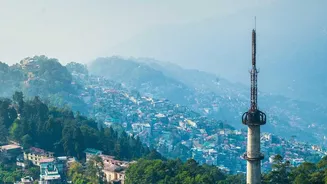
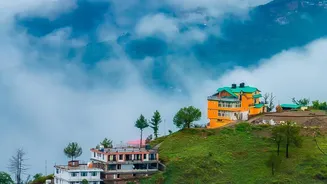
While the entire Indian Himalayan region is vulnerable, some areas are of particular concern. States like Uttarakhand, Himachal Pradesh, and the hill districts of West Bengal (like Darjeeling and Kalimpong) are frequent hotspots for rain-induced hazards. These regions have seen repeated incidents of landslides and flash floods in recent years, often linked to extreme rainfall events. The combination of steep slopes, extensive road construction, and changing weather patterns creates a high-risk environment. It's not just the Himalayas; the Western Ghats also experience intense post-monsoon showers that can cause similar issues. Travellers planning trips to these popular destinations must now factor in a higher degree of weather-related uncertainty and risk than in the past.
How to Plan a Safer Hill Trip
This doesn't mean you must cancel your September plans, but it does demand a more cautious and informed approach. First, monitor weather forecasts rigorously, not just before you leave but daily during your trip. Pay close attention to warnings issued by the India Meteorological Department (IMD). Second, build buffer days into your itinerary. A two-day buffer can make all the difference if a road is blocked by a landslide and you need to wait for it to be cleared. Third, communicate with local contacts. Hotel owners, drivers, and guides on the ground have the most current information about local conditions. Fourth, avoid travelling at night during periods of heavy rain and stay away from rivers and streams that can swell suddenly. Finally, always have a backup plan and be prepared to change your route if conditions become unsafe.