


The New Everyday Uniform
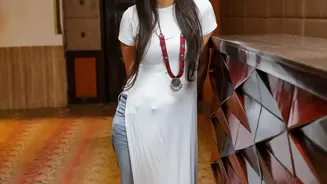
The line between 'Indian' and 'Western' clothing is becoming beautifully blurred. What was once reserved for specific occasions is now part of the daily sartorial landscape. The most common sight is the versatile long kurta paired with slim-fit jeans
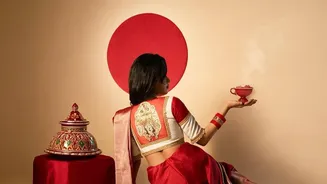
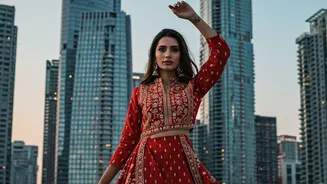
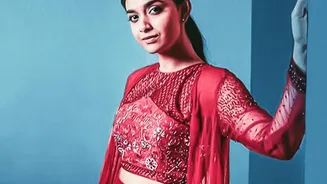
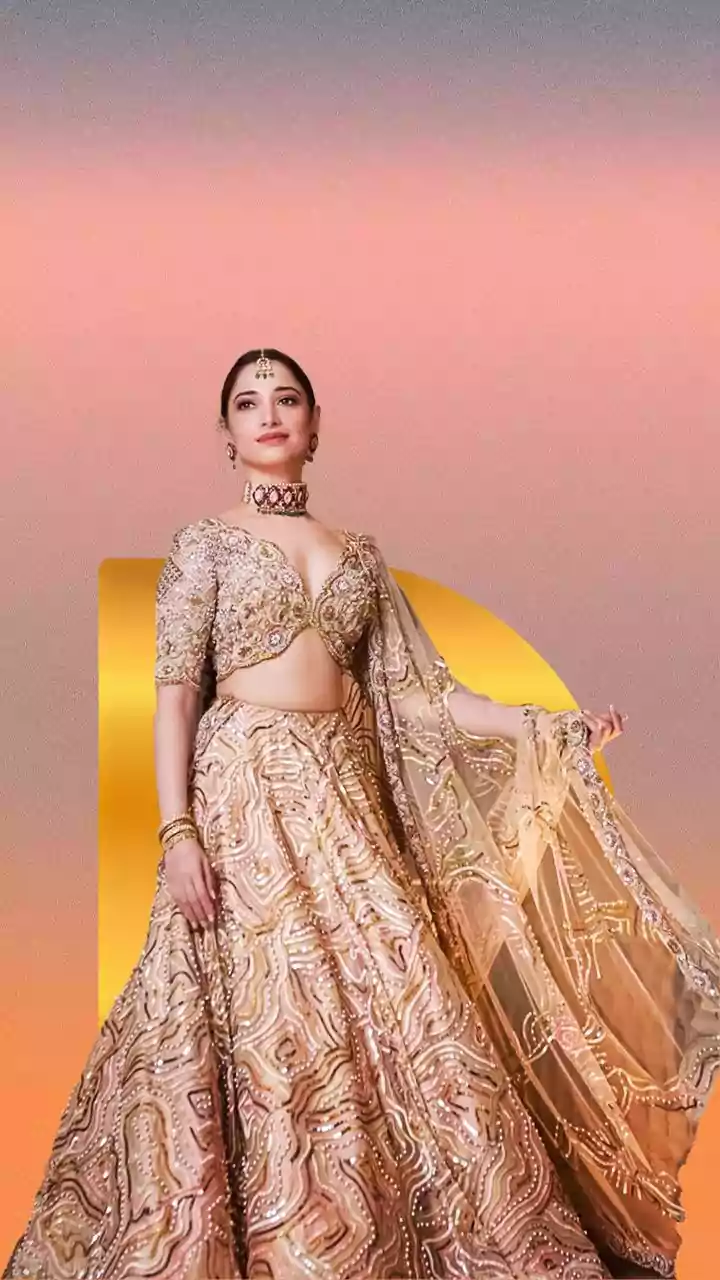
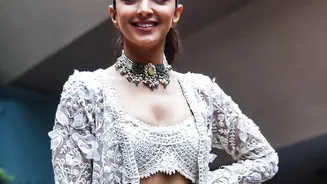
or tailored trousers, a combination that has moved from college campuses to corporate offices. But the creativity doesn't stop there. Women are repurposing heavily embroidered lehenga skirts with simple crop tops or even crisp white shirts for a high-fashion look at parties and weddings. Saree blouses are being paired with high-waisted trousers, and ethnic jackets are layered over simple t-shirts and denim. This isn't about following a rigid dress code; it's about a fluid, personal approach to style that feels both authentic and globally relevant.
Beyond 'Fusion Wear': A Shift in Mindset
This trend is more profound than simply buying pre-designed 'Indo-Western' garments. It's about a fundamental shift in how people view their wardrobes. It's about personal styling and seeing individual pieces for their potential, rather than their traditional function. The primary drivers are comfort, versatility, and practicality. A heavy traditional outfit might be impractical for a busy day involving a commute, office work, and a social event, but a kurta paired with comfortable pants offers the perfect balance. This approach allows for self-expression, enabling individuals to showcase their cultural roots without being confined by traditional norms. It’s a creative process of mixing and matching that reflects a dynamic, fast-paced lifestyle.
The Drivers of the Trend
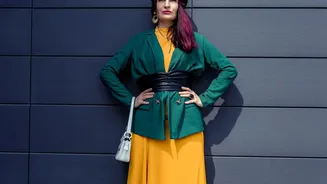
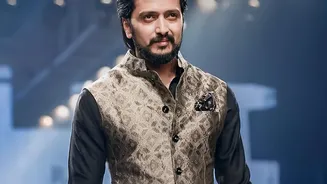
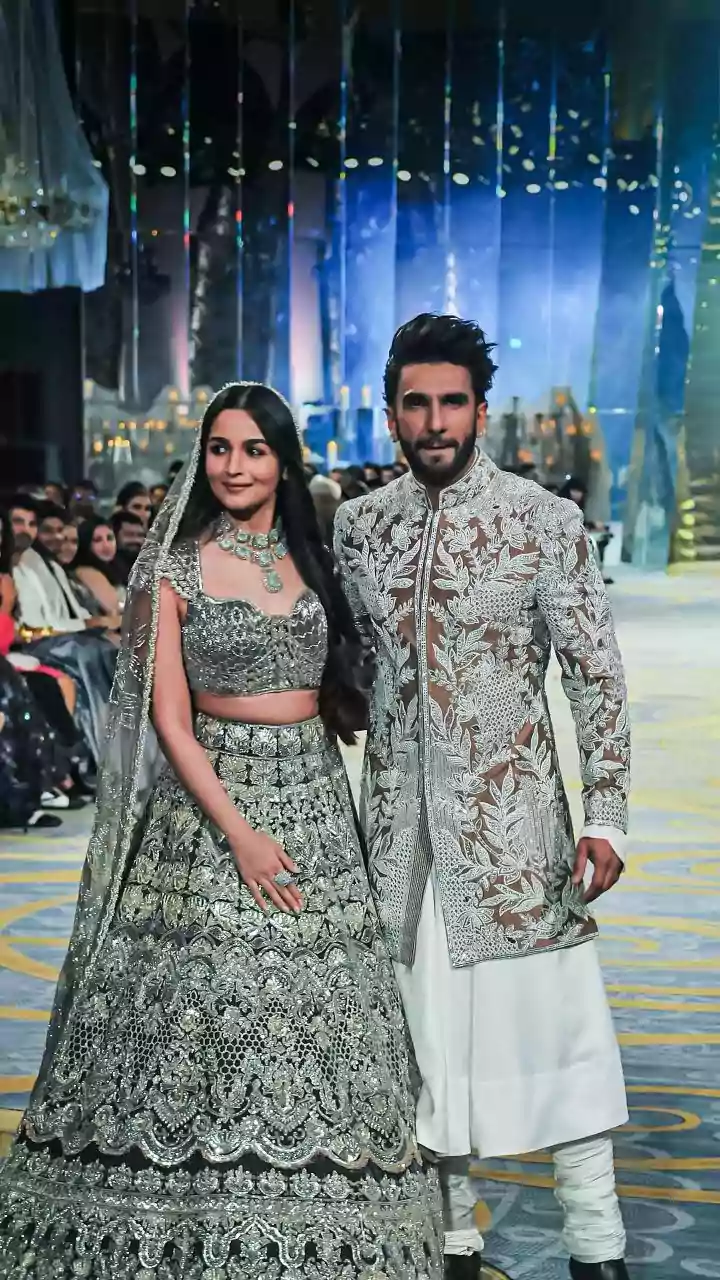
Millennials and Gen Z are at the forefront of this sartorial movement, championing a style that is both rooted in heritage and forward-looking. Social media platforms are flooded with influencers and fashion enthusiasts showcasing their unique blends, providing endless inspiration. Bollywood has also played a significant role, with celebrities and films normalizing fusion dressing for a mass audience for years. Furthermore, the evolution of workplace dress codes has made room for this blend. A structured blazer paired with a saree or a Nehru jacket over a formal shirt are now common sights in professional environments, projecting both authority and cultural confidence. Indian designers are also championing this by creating pieces that are modern and wearable, focusing on handloom fabrics and traditional crafts in contemporary silhouettes.
Celebrating Heritage in a Modern World
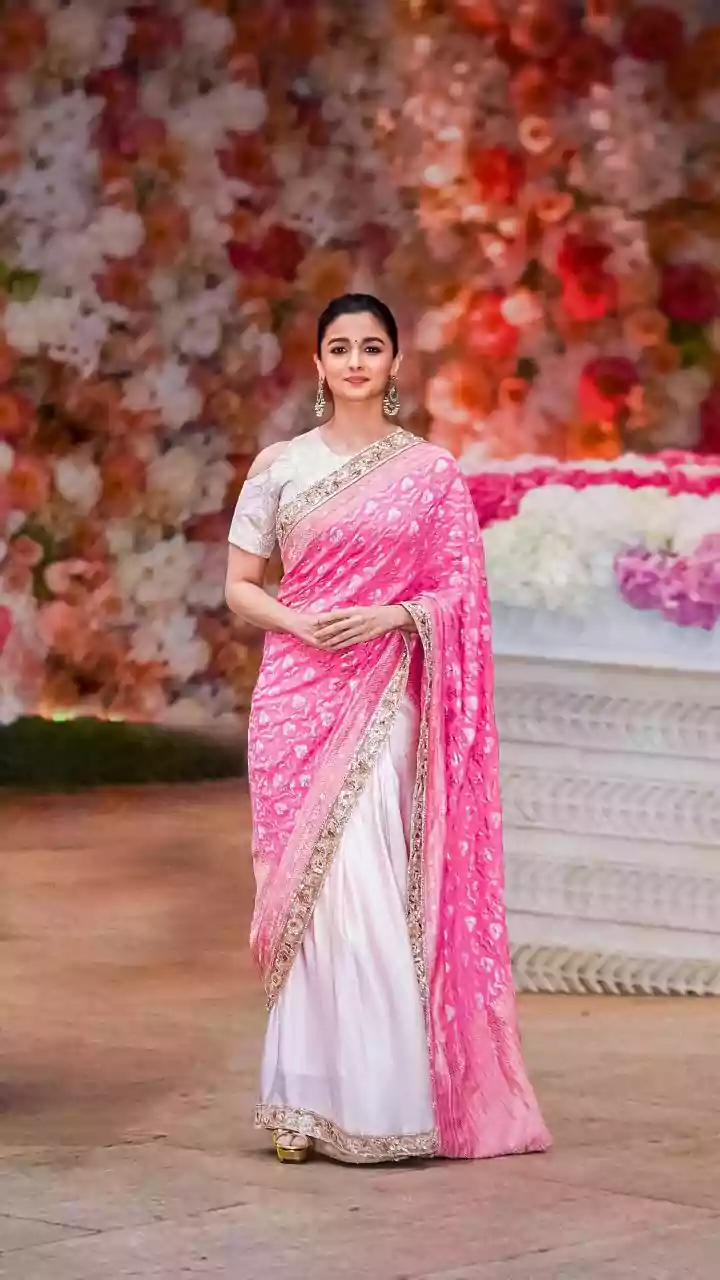
At its core, mixing ethnic and Western wear is a powerful form of identity expression. It signifies a generation that is globally connected yet deeply proud of its Indian heritage. Wearing an Ajrakh printed shirt or a Banarasi brocade blazer is a way to carry a piece of Indian craftsmanship into a modern context. It’s a visual dialogue between tradition and modernity, showing that the two are not mutually exclusive but can coexist beautifully. This approach to fashion allows individuals to navigate different social contexts—from a family puja to a corporate meeting—without needing a complete wardrobe overhaul. It's a reflection of the multifaceted identity of the modern Indian who is comfortable in their own skin, embracing influences from all over the world while celebrating their unique cultural story.
How to Master the Mix
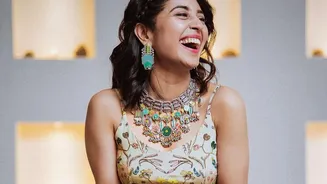
Integrating this trend into your wardrobe is easier than it looks. A great starting point is with accessories. A pair of statement Indian jhumkas or a silver cuff can instantly elevate a simple black dress or a white shirt. Another easy entry is using a beautiful dupatta as a scarf or wrap over a Western outfit. When combining garments, think about balance. If you're wearing an ornate lehenga skirt, pair it with a minimal top like a simple t-shirt or camisole. A printed ethnic jacket works best over a solid-coloured dress or top-and-jeans combo. The key is to let one aesthetic be dominant while the other acts as an accent, creating a look that feels intentional and chic, not accidental.