






More Than Just Muscle
Lifting weights is often seen as a purely physical pursuit, but it's fundamentally a neurological event. Every time you lift, push, or pull against resistance, you're not just challenging your muscles; you're training your nervous system. The initial
strength gains you experience when starting a new routine are largely due to neural adaptations, not immediate muscle growth. Your brain becomes more efficient at sending signals to your muscles, activating more muscle fibers to perform a movement. This improved communication pathway is the foundation for a stronger, more capable body and a more connected mind.
The Science of the Mind-Muscle Connection
You may have heard gym-goers talk about the 'mind-muscle connection', and it's far from just motivational jargon. It's the conscious act of focusing your thoughts on the specific muscle you're working, feeling it contract and stretch with each repetition. Research shows that this internal focus can significantly increase muscle activation. By concentrating on a specific muscle, you send clearer, stronger signals from your brain to that area, improving the quality of the contraction. This practice doesn't just make your workouts more effective for muscle growth; it's a form of active mindfulness that builds profound body awareness.
Rewiring the Brain for Better Balance
Balance is not just about staying steady on your feet; it's a complex skill managed by your brain, which constantly processes information from your eyes, inner ear, and body. Resistance training sharpens this ability by challenging your proprioception—your body's awareness of its position in space. Proprioceptors are sensory receptors in your muscles and joints that send feedback to your brain. Exercises, especially those that are complex or performed on one leg, force these receptors to work harder. This strengthens the entire feedback loop, teaching your body to make rapid, unconscious adjustments to maintain stability, effectively improving your balance over time.
Forging Superior Coordination
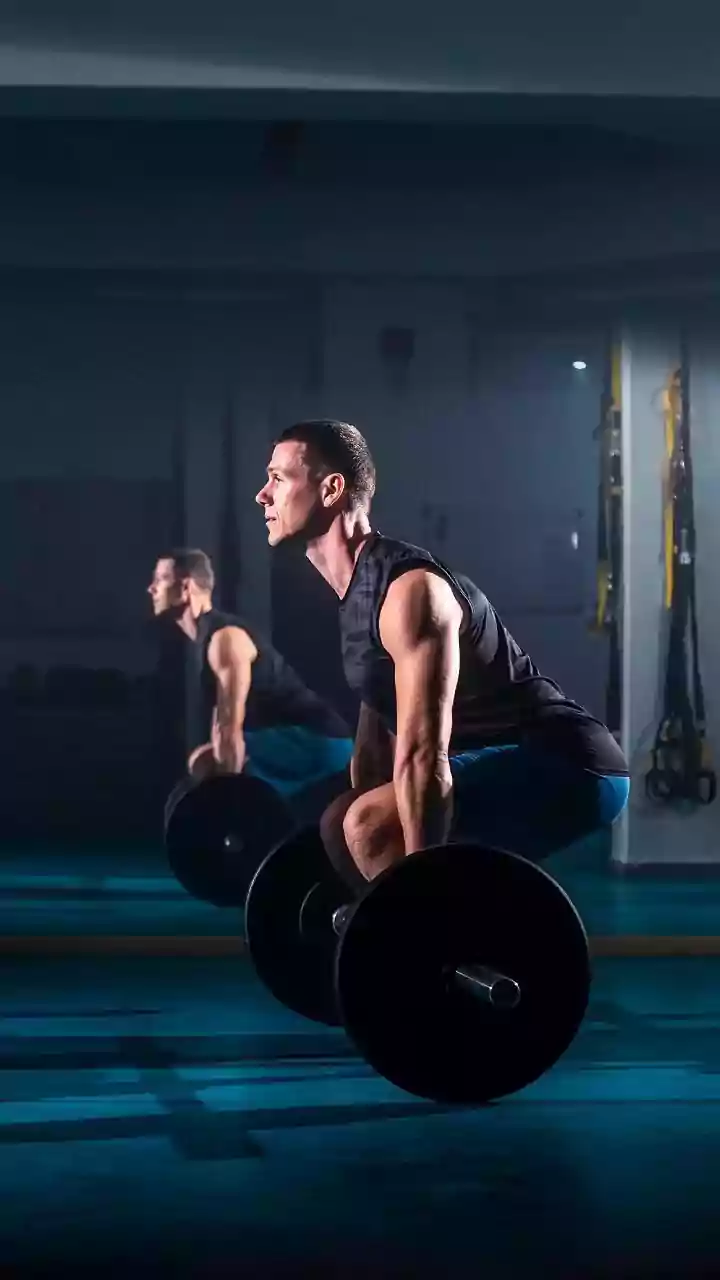
Coordination is the art of making different parts of your body work together smoothly and efficiently. Resistance training is an excellent teacher. Compound movements like squats, deadlifts, and overhead presses require multiple joints and muscle groups to fire in a specific sequence, with precise timing and force. As your nervous system gets better at orchestrating these complex motor patterns under load, your overall coordination improves. This enhanced ability translates directly into everyday life, making you more graceful and efficient whether you're carrying groceries, playing a sport, or simply moving through your day.
How to Train for Awareness and Stability
To specifically target these benefits, focus on the quality of your movements. Slow down your repetitions and concentrate on the target muscle. Incorporate unilateral exercises—those that work one side of the body at a time, like single-leg deadlifts, Bulgarian split squats, or single-arm dumbbell presses. These movements remove the ability of your dominant side to compensate, forcing your weaker side to improve and intensely challenging your core and stabilizing muscles to maintain balance. This approach turns your workout into a powerful tool for building not just a stronger body, but a more intelligent and connected one.