




The Fading Allure of Tourist Hotspots
For decades, names like Shimla and Manali have been synonymous with a Himalayan escape. Today, for many, they represent the very urban chaos they seek to leave behind. Recent years have seen an overwhelming surge in tourism, with record-breaking vehicle
numbers choking narrow mountain roads and turning scenic drives into hours-long ordeals. The very charm of these colonial-era towns is buckling under the pressure of unregulated construction, mountains of waste, and a tourist-centric economy that has pushed local affordability to its limits. Travellers arrive expecting peaceful vistas but are often met with crowded promenades, inflated prices, and the nagging feeling that they've simply traded one city for a colder, more congested one.
A Search for Something Real
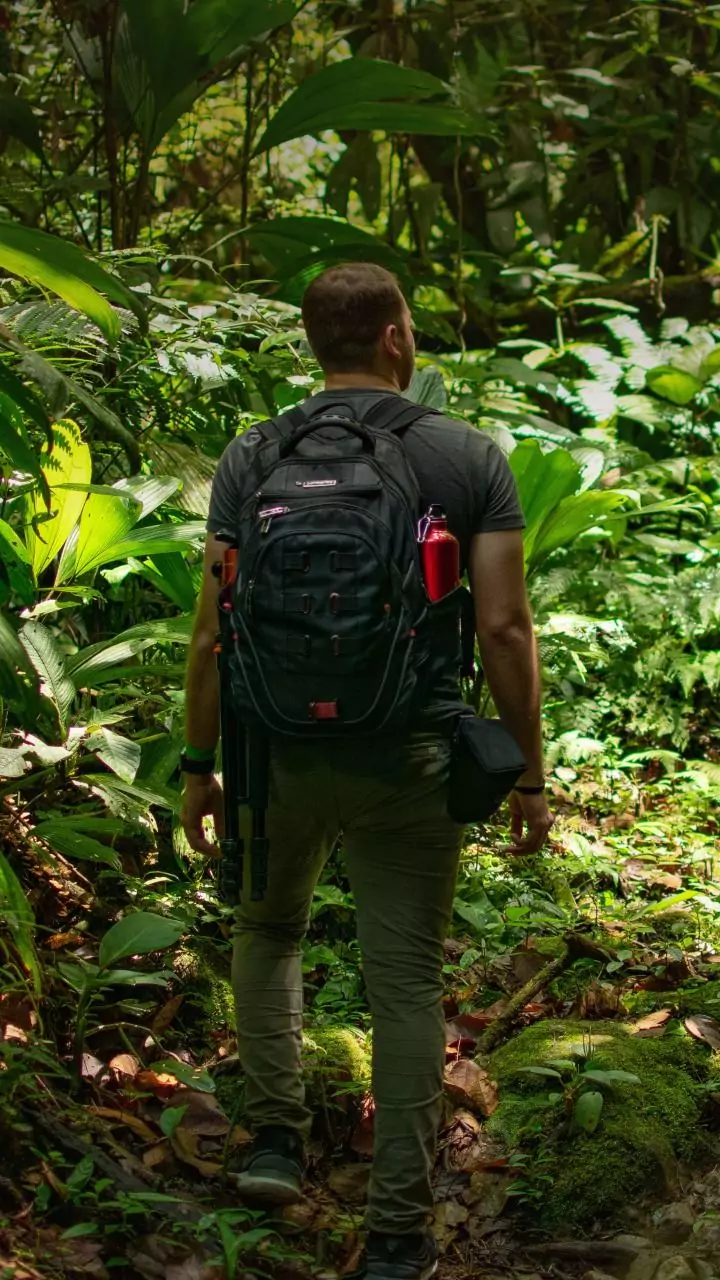
This shift isn't just about avoiding crowds; it's about a fundamental change in what people want from travel. The modern road tripper is increasingly looking for authenticity, not just attractions. There's a growing desire to connect with nature, experience local culture, and embrace a slower pace of life. This trend, often called 'slow travel', prioritizes genuine immersion over a rushed checklist of sights. Instead of just seeing the mountains, people want to live in them, even if just for a few days. This has led them away from hotel-lined main roads and towards the quiet valleys where life continues at its own rhythm, relatively untouched by mass tourism.
Discovering Himachal's Hidden Valleys
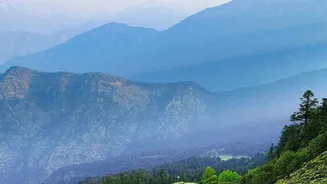
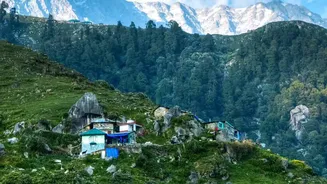
As Shimla and Manali become saturated, destinations like Tirthan Valley, Jibhi, and Sainj Valley are emerging as the new favourites for those in the know. Tirthan Valley, the gateway to the Great Himalayan National Park, offers serene riverside walks, trout fishing, and dense forests. Nearby, Jibhi enchants visitors with its fairytale-like wooden cottages, hidden waterfalls, and cosy cafes nestled in pine forests. Other emerging areas include the meadow-laden Shangarh in Sainj Valley, the remote beauty of Barot Valley, and the quiet trails around Jalori Pass. These places offer what the commercial hubs have lost: quiet, pristine landscapes, and a chance to hear the sounds of nature instead of traffic.
The Rise of the Homestay Experience
Central to this travel revolution is the homestay. In place of impersonal hotels, travellers are opting to stay in traditional homes run by local families. This does more than just provide a place to sleep; it offers an authentic cultural exchange. Guests get to eat home-cooked Himachali meals like Siddu, learn about local customs, and gain insights into a way of life that is deeply connected to the land. The Himachal Pradesh government has also encouraged this through schemes, leading to a boom in registered homestays, especially in Kullu, which has the highest number. These small-scale accommodations are not only more sustainable but also ensure that tourist money directly supports the local economy.
A Road Less Travelled Needs Responsible Travellers
The journey to these pristine trails comes with its own set of responsibilities. These ecologically sensitive areas lack the robust infrastructure of commercial towns. Limited amenities, patchy mobile connectivity, and simpler living conditions are part of the experience. The growing popularity of these hidden gems also brings the risk of repeating the same mistakes that plagued Shimla and Manali. Responsible tourism is therefore crucial. This means respecting local culture, minimizing waste, carrying reusable water bottles, and choosing eco-conscious stays. The goal is to ensure these trails remain pristine for generations to come, allowing visitors to enjoy the solitude without harming the very environment that creates it.