




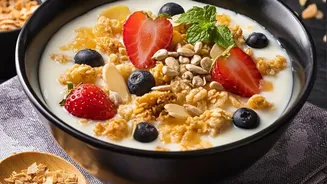
Starting your day with a balanced breakfast is key to steady energy. A simple tweak, like adding certain seeds, can help manage how your body absorbs sugar from foods, preventing those dreaded mid-morning slumps and supporting long-term health.
1. Chia Seeds
These tiny
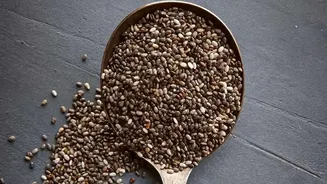
black seeds are nutritional powerhouses, packed with soluble fibre, protein, and omega-3 fatty acids. When chia seeds mix with liquid, they form a gel-like substance in your stomach. This gel physically slows down the digestion process and the rate at which carbohydrates are converted into sugar and absorbed into the bloodstream. This action helps prevent sharp spikes in blood sugar after a meal. They are also incredibly easy to use. Try soaking a tablespoon in water for 10 minutes before adding them to your morning smoothie, oatmeal, or dahi for a filling and stabilising boost.
2. Flax Seeds (Alsi)
Flax seeds, or 'alsi', are celebrated for their high content of both soluble and insoluble fibre, as well as plant-based compounds called lignans. Studies have shown that consuming ground flax seeds before a meal can significantly reduce the post-meal glucose spike. For your body to access their full benefits, flax seeds should be consumed ground; otherwise, they may pass through your system undigested. The combination of fibre and healthy fats slows down gastric emptying, leading to a more gradual release of sugar. Sprinkle a tablespoon of ground flaxseed over your porridge, mix it into dosa or idli batter, or blend it into your roti dough for an easy fibre upgrade.
3. Pumpkin Seeds (Kaddu Ke Beej)
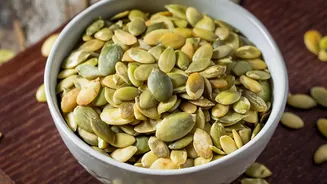
More than just a crunchy snack, pumpkin seeds are a fantastic source of fibre, healthy fats, and essential minerals like magnesium and zinc. Magnesium plays a crucial role in glucose metabolism and improving insulin sensitivity, which helps your cells use blood sugar more effectively. The high fibre content, combined with protein and fats, slows down the absorption of carbohydrates from your meal, helping to maintain more stable blood sugar levels. Lightly roast a handful of pumpkin seeds and sprinkle them over poha or upma, or simply enjoy them on the side for a nutritious, blood-sugar-friendly addition to your breakfast.
4. Sunflower Seeds (Surajmukhi Ke Beej)
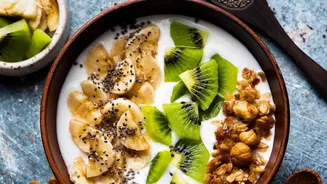
Sunflower seeds deliver a healthy dose of fibre, protein, healthy fats, vitamin E, and magnesium. This combination of nutrients helps slow stomach emptying, which allows for a more gradual release of sugar from the carbohydrates in your meal. Studies have suggested that daily consumption of sunflower seeds as part of a healthy diet may help reduce fasting blood sugar levels over time. Their low glycemic index means they have a minimal impact on blood glucose on their own. Add a tablespoon of raw or unsalted roasted sunflower seeds to your cereal, blend them into a smoothie, or sprinkle them over a bowl of fruit and yogurt for added crunch and nutrition.
5. Sesame Seeds (Til)
A staple in Indian kitchens, sesame seeds (til) are rich in fibre, healthy fats, protein, and compounds like lignans. This nutrient profile contributes to slowing down digestion and, consequently, the absorption of sugar into the bloodstream. Research indicates that regular consumption of sesame may help improve fasting blood sugar and longterm glycemic control markers like HbA1c. Whether you use white or black sesame seeds, they can be easily incorporated into your morning routine. Add them to the tempering for dishes like poha, blend them into chutneys to serve with idli or dosa, or mix them into a breakfast porridge.