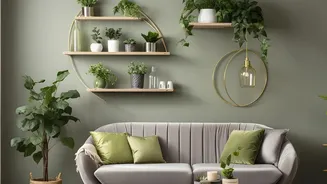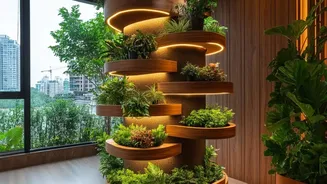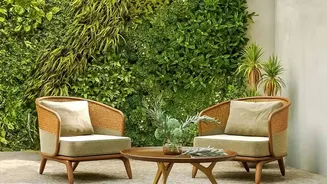



Want to bring lush greenery into your home without sacrificing floor space? A wall-mounted garden is an innovative solution that turns any bare wall into a living feature. Here’s how to plan your vertical garden from the ground up.
Choose and Inspect Your Wall
The first step is identifying
the right location. Consider the amount of sunlight the wall receives throughout the day, as this will determine which plants you can grow. A spot with bright, indirect light is often versatile. Crucially, you must inspect the wall's structural integrity. A fully saturated vertical garden is heavy, so the wall must be strong enough to support the weight without cracking or showing signs of dampness. Ensure the wall is made of a material that can handle drilling and mounting, like masonry or a wall with sturdy internal studs. If you're unsure, it may be wise to consult a professional.
Select the Right Vertical System
Several types of vertical garden systems are available in India, each with its own pros and cons. Pocket systems, made of felt or fabric, are affordable and great for beginners but may require more frequent watering as they dry out fast. Modular panel systems are made of interlocking plastic or metal cells that create a more structured look and often include integrated irrigation, making them a durable but more expensive option. For a simpler approach, you can use pot-and-rack systems or train climbing plants like Bougainvillea or Money Plant up a trellis, which is known as a green façade. Your choice depends on your budget, aesthetic goals, and how much maintenance you're willing to do.
Plan for Irrigation and Drainage
Consistent watering is non-negotiable for a thriving vertical garden, as the small containers can dry out quickly. An automatic drip irrigation system is the most efficient method. These systems use timers to deliver water directly to the base of each plant, preventing fungal growth and conserving water. If you opt for manual watering, be prepared to water every one to two days, especially in warmer weather. Regardless of the method, ensure your system has adequate drainage. The planters or pockets should have holes to let excess water escape, preventing the roots from becoming waterlogged.
Pick the Perfect Plants for Your Climate
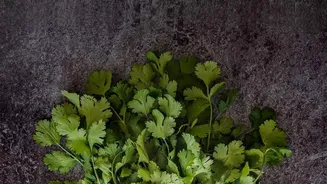
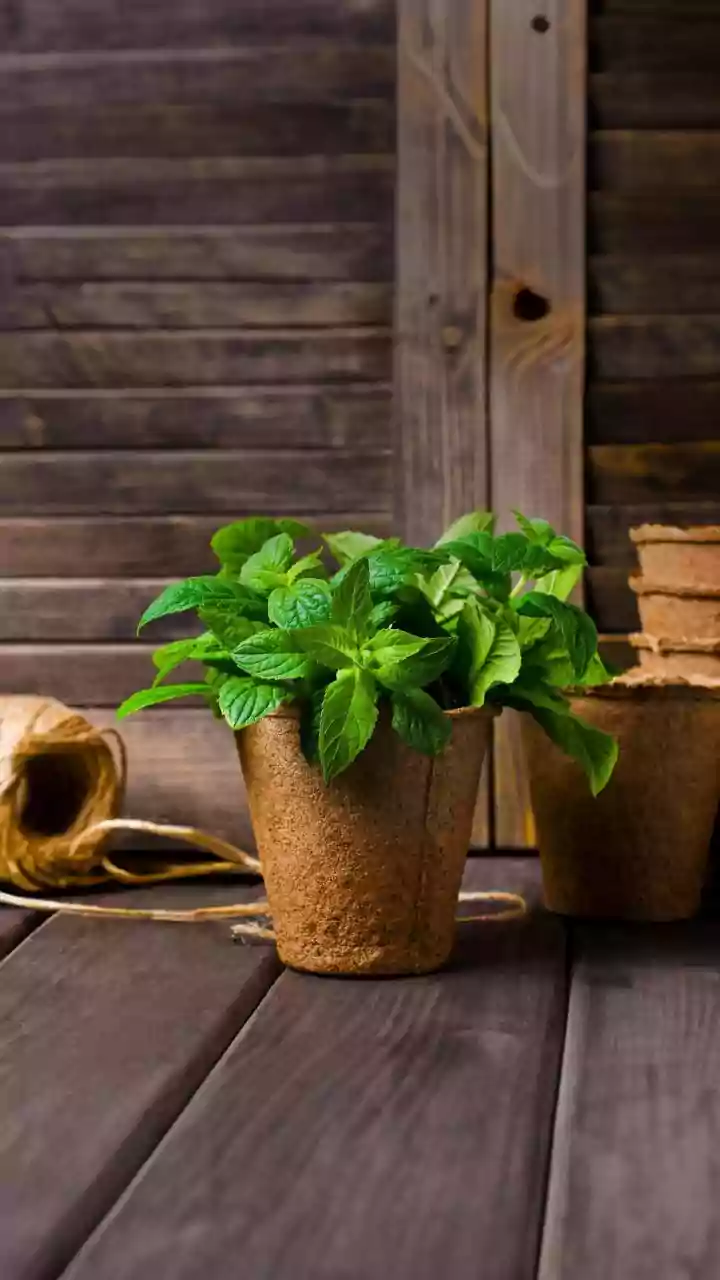
Choosing the right plants is key to success. Your selection should be based on your wall's sun exposure. For sunny, outdoor walls in India, heat-tolerant plants like Portulaca, Vinca (Sadabahar), and Alternanthera are excellent choices. For shaded outdoor areas or balconies, consider plants like ferns, Spider Plant, Syngonium, or Philodendron. Many of these, including the ever-popular Money Plant, also work well for indoor vertical gardens. You can also grow herbs like mint and basil or even vegetables like chillies and tomatoes if you have at least six hours of direct sunlight. Group plants with similar light and water needs together.
Use the Right Soil and Planting Technique
Standard garden soil is too heavy and compact for vertical gardens. Instead, use a lightweight, well-draining potting mix. A common blend includes cocopeat, compost or vermicompost, and perlite to improve aeration. This mix retains moisture without becoming waterlogged and keeps the overall weight on the wall lower. When planting, fill the pockets or modules about halfway with the soil mix. Gently place the plant inside and add more soil, leaving a little space at the top. This ensures the roots have room to establish themselves without being compacted.
Ongoing Maintenance and Care
A vertical garden requires regular upkeep to stay lush. Pruning is essential to maintain the garden's shape and prevent plants from becoming overgrown, which can block light for others. Regularly trim away any yellow or dead leaves. Fertilising is also important, especially for plants in small containers. Use a balanced liquid fertiliser every few weeks during the growing season, but avoid over-fertilising. Keep an eye out for pests, which can be managed with organic pesticides if needed. With consistent care, your living wall will remain a beautiful and healthy feature for years to come.