


Rule #1: Absolutely No Cotton
Before we even get to what you should pack, let's cover what you must leave behind: cotton. This includes your favourite t-shirts and denim jeans. Cotton acts like a sponge; when it gets wet from rain or sweat, it holds onto moisture, sucks heat away
from your body, and takes forever to dry. This can lead to discomfort, chafing, and even a dangerous drop in body temperature. Instead, every piece of clothing you wear should be made from quick-drying synthetic materials like polyester and nylon, or natural wool. These fabrics wick moisture away from your skin, keeping you far more comfortable and safer on the trail.
Your Fortress: Waterproof Outerwear
Your first line of defense against rain is your outerwear. You have two main choices: a rain jacket and rain pants, or a poncho. A jacket-and-pants combination offers the best mobility and comfort while walking. Look for gear that is not just water-resistant but fully waterproof and breathable. A good jacket will keep rain out while letting sweat vapour escape. A poncho is a more budget-friendly option that can be thrown on quickly and is large enough to cover both you and your backpack. For an occasional trekker on an easier trail, a poncho can be perfectly adequate.
The Right Layers for Warmth
Staying warm in wet weather is all about a smart layering system. Instead of one bulky jacket, think in threes. Your base layer, the shirt against your skin, should be a synthetic, moisture-wicking t-shirt. Your mid-layer provides insulation; a fleece jacket is perfect for this, as it stays warm even when damp and dries quickly. Your outer layer is your waterproof jacket, which protects you from wind and rain. This system allows you to adapt to changing conditions by adding or removing layers to avoid overheating and sweating, which is key to staying dry from the inside out.
Footwear That Grips, Not Slips
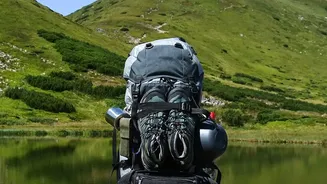
Monsoon trails are notorious for being muddy, slippery, and filled with puddles. Regular sneakers are a recipe for disaster. Invest in a pair of proper trekking shoes with deep, aggressive lugs on the outsole for maximum grip on wet rock and mud. Waterproof shoes are a great choice to keep your feet dry from the outside. Pair them with synthetic or wool-blend socks, as cotton socks will lead to blisters when wet. Many experienced trekkers carry an extra pair of dry socks to change into. Waterproof socks can also be a game-changer, ensuring your feet stay warm and dry even if water gets into your boots.
Keeping Your World Dry: The Backpack
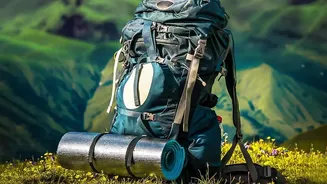
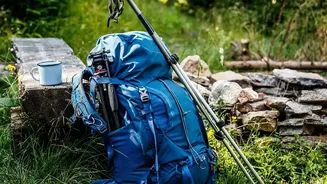
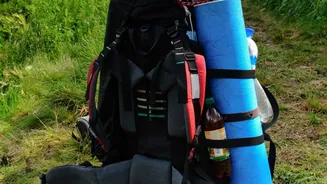
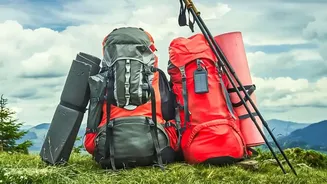
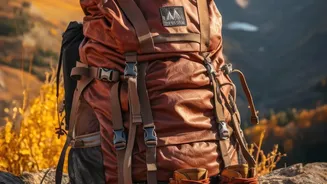
It’s not just you that needs to stay dry; your spare clothes, electronics, and food must be protected too. Start with a backpack that has a dedicated rain cover. Most trekking packs come with one tucked into a pocket at the bottom. For a second layer of protection, use waterproof dry bags or stuff sacks inside your backpack to compartmentalise your gear. This ensures that even if your main pack gets damp, your essentials—especially your warm layers and sleeping gear—remain completely dry. In a pinch, sturdy plastic bags can also work as a budget-friendly alternative.
Essential Extras For a Rainy Day
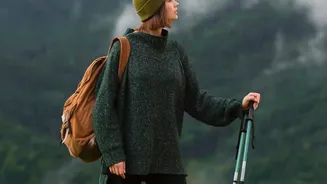
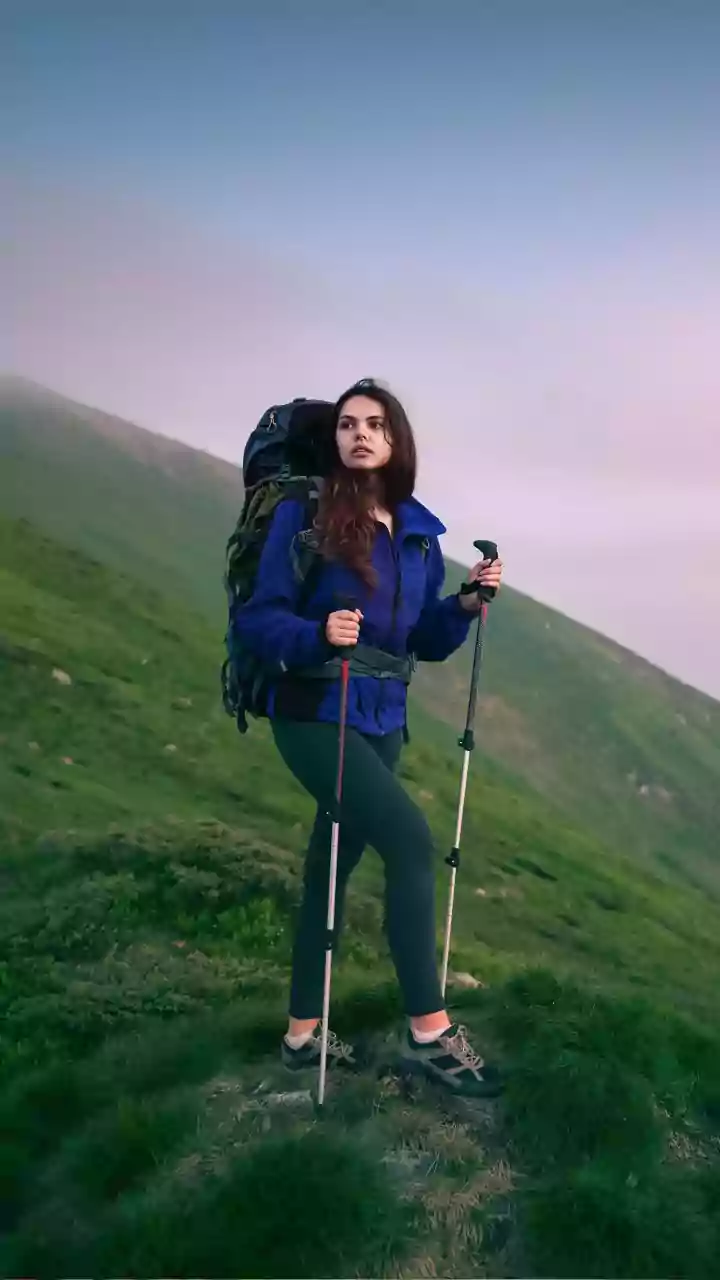
A few small items make a huge difference in the rain. A cap with a brim worn under your jacket's hood will keep rain from dripping onto your face and improve your visibility. Trekking poles are highly recommended for extra stability on slippery descents. Always carry a headlamp or torch, as overcast skies can make it get dark surprisingly early. A basic first-aid kit with essentials like antiseptic wipes, bandages, and blister pads is non-negotiable, as slips are more common in wet conditions. Finally, pack a small, quick-dry towel for wiping down.