

A Sweet Revolution
For the longest time, the world of Indian mithai felt sacred and untouched. A ladoo was a ladoo; a barfi was a barfi. Passed down through generations, these sweets were less dessert and more edible heirlooms, intrinsically linked to festivals, family,
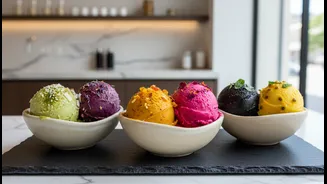
and faith. [2, 12] But recently, a quiet revolution has been simmering. A new generation of chefs, patissiers, and artisanal sweet-makers are reimagining these classics. [11] This isn't about gimmicky fusion for the sake of it, but a thoughtful evolution. It’s a movement that asks: what if a kaju katli could be layered with 54.5% dark chocolate ganache? Or if a gajar ka halwa could be presented as a delicate truffle with a hint of orange zest? [8] This new wave isn't about replacing the neighbourhood halwai but building on their legacy, creating a dialogue between heritage and innovation. [12]
Halwai Meets Pâtissier
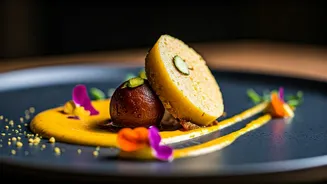
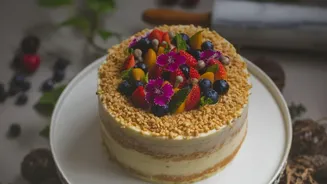
The artisans behind this trend are often a blend of two worlds. Many are classically trained in French pastry, bringing precision and technique to the often-intuitive art of mithai making. [12] Chefs like Ajay Chopra, with his brand Kshir & Canelé, explicitly aim to marry Indian mithai with the elegance of French patisserie, bringing a new level of artistry to the craft. [4, 5] The name itself, combining the Sanskrit 'Kshir' (milk) with the French pastry 'Canelé', signifies this thoughtful amalgamation. [4] This approach translates traditional Indian flavours into formats understood by modern patisserie. [12] The result is often visually stunning, with sweets that are as much a feast for the eyes as they are for the palate, designed to be as photogenic as they are delicious, catering to a social media-savvy generation. [18]
Flavour, Reimagined
The most successful of these new-age sweets understand a fundamental rule: do not lose the soul of the dish. [13] The goal is to enhance, not overpower. At Mumbai's celebrated Bombay Sweet Shop, a 'form versus flavour' philosophy guides their creations, ensuring that every innovation retains a connection to a beloved taste or memory. [13] This can manifest in surprising ways: a jalebi cheesecake that swaps rabdi for cream cheese, a rasmalai cake, or even a kheer crème brûlée. [8, 19] These creations work because they honour the original flavour profile while introducing a new texture or format. It’s still the rasmalai you love, just in a different, delightful form. Some chefs are also focusing on making sweets lighter, healthier, and less calorific, using natural sweeteners like dates or honey and even incorporating superfoods. [7, 14, 17]
A New Gifting Culture
This gourmet mithai movement has transformed the culture of gifting sweets in India. The days of the generic, unwanted soan papdi box being passed from one house to another are numbered. [11] Today, artisanal brands offer beautifully curated boxes that rival luxury chocolates. [21] Brands like Khoya, Arq, and Misree present their creations in elegant, minimalist packaging that feels modern and sophisticated. [11] This has elevated mithai from a simple festive obligation to a desirable, premium gift. [18] It reflects a renewed pride in Indian culinary heritage, repackaged for a globalised, contemporary audience. This trend is particularly popular among younger consumers who seek novelty and authenticity, and are willing to pay for desserts that offer a unique experience. [10]