






The All-Time Favourite: Bhutta (Corn)
The quintessential monsoon snack, bhutta or roasted corn on the cob, is more than just a nostalgic treat. As a Kharif crop, corn is harvested during the rainy season, making it abundantly fresh and affordable in August. It's a great source of fibre, which
aids digestion—a common concern during the monsoon when the digestive system can be sluggish. Enjoy it roasted on an open flame and seasoned with lemon juice and spices for a classic, smoky flavour that is synonymous with Indian rains.
An Immunity Boost: Pomegranates and Plums
August is an excellent time for fruits that bolster immunity. While the main pomegranate season peaks later, a fresh crop begins to arrive during the monsoon. These ruby-red jewels are packed with antioxidants and Vitamin C, which help fight off seasonal infections. Similarly, stone fruits like plums and peaches, grown in the hill states, have their moment during the monsoon. Their juicy, tart flavours make them a refreshing and healthy choice during the damp weather.
The Gourd Family: Lauki, Turai, and Karela
Traditional Indian wisdom and Ayurveda have long championed gourds during the monsoon for good reason. Vegetables like bottle gourd (lauki), ridge gourd (turai), and bitter gourd (karela) are harvested extensively during this season. They are light, easy to digest, and have high water content, which helps keep the body hydrated. Bitter vegetables like karela are especially prized during this time for their natural antimicrobial properties and ability to support liver function. Simple curries and stir-fries made with these gourds are ideal monsoon meals.
The Humble Fruit: Jamun (Indian Blackberry)
Jamun, or the Indian blackberry, is a true monsoon specialty. Available from June through September, this deep-purple fruit is known for its unique sweet and tart flavour. It is traditionally valued in Ayurveda for managing blood sugar levels and improving digestion. Rich in vitamins and antioxidants, jamun is a powerful seasonal fruit to include in your diet. Enjoy them fresh, or as a juice or in salads for a nutritional punch.
Rooted in Wellness: Ginger and Turmeric
While available year-round, fresh ginger and turmeric are particularly beneficial during the monsoon. The damp, cool weather can aggravate joint pain and lead to colds, and these rhizomes are known for their potent anti-inflammatory properties. Incorporating them into daily meals, whether in teas, curries, or traditional preparations like kadha, can help boost immunity and provide a feeling of warmth. Their use aligns with Ayurvedic principles that recommend warming foods during the Varsha Ritu (monsoon season).
Hardy Greens and Beans
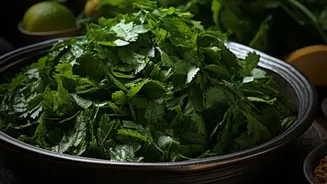
While many leafy greens are best avoided due to the risk of contamination from mud and grime, certain hardy greens and beans thrive in the monsoon. Cluster beans (Gawaar), which require adequate rainfall, are a popular choice. Colocasia leaves (Patra/Arbi ke patte) are another monsoon delicacy, traditionally steamed and spiced to create a nourishing snack. These greens are rich in essential nutrients and, when cleaned and cooked properly, are a valuable part of the seasonal diet.