



The Road Ahead: Expect the Unexpected
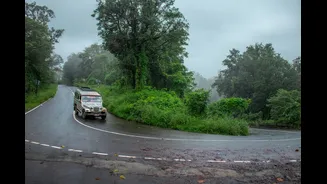
Post-monsoon roads are notoriously unpredictable. While the scenery is stunning, the tarmac tells a different story. Months of heavy rain can lead to a minefield of deep, water-filled potholes that are often invisible. The soil beneath the road, once
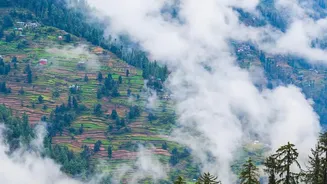
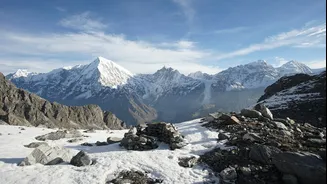
saturated, loses its strength, causing surfaces to collapse under pressure. This can result in widespread damage, from minor cracks to major sections of road simply washing away. In hilly and mountainous regions like the Himalayas and the Western Ghats, the risk of landslides is significant, and roads can be closed for hours or even days. Always check for local alerts and news before you set off, especially on red-alert days, as authorities may close roads. Be prepared for diversions and significantly longer travel times than your GPS might suggest.
Your Vehicle: A Pre-Trip MOT is a Must
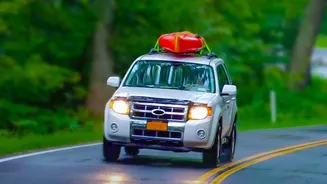
Before you even think about loading your luggage, your car needs a thorough inspection. A post-monsoon trip puts immense strain on a vehicle. Start with the most critical components for wet conditions: your tyres. Ensure they have a tread depth of at least 3mm for better grip on slippery surfaces and to reduce the risk of hydroplaning. Check the pressure in all five tyres, including the spare. Your brakes are your lifeline; get the brake pads and fluid checked, as stopping distances increase dramatically on wet roads. Next, inspect your wiper blades and replace them if they leave streaks. Ensure all lights—headlights, tail lights, and indicators—are working perfectly for the low-visibility conditions you will inevitably face. Finally, have a mechanic check all fluid levels (engine oil, coolant, washer fluid), belts, and hoses to prevent a breakdown in a remote area.
Smarter Driving for Treacherous Conditions
Driving in the aftermath of the monsoon requires a different mindset. Your number one rule should be to slow down. Reduce your speed by at least 30-40% on wet roads to give yourself more time to react. Never use cruise control in the rain. Maintain a much larger following distance—at least six seconds—from the vehicle in front. When visibility is poor due to rain or fog, switch on your low-beam headlights, not your high beams or hazard lights, as they can reflect off the water droplets and impair vision. Be extremely cautious when approaching waterlogged areas. It's impossible to judge the depth or see hidden obstacles. If you encounter a flooded road, the safest option is to turn back. Never attempt to restart a stalled engine in water, as this can lead to catastrophic engine damage known as hydrostatic lock.
Health and Safety on the Go
The post-monsoon season sees a spike in water-borne and mosquito-borne diseases. Dengue and malaria are significant risks, so use a strong insect repellent, especially during the day for dengue mosquitoes and at dawn and dusk for malaria vectors. Wearing long-sleeved clothing can also offer protection. Be vigilant about what you eat and drink. Stick to bottled or boiled water and avoid tap water, ice in drinks, and raw salads from roadside stalls. Carry a well-stocked first-aid kit that includes basics for fever, stomach upsets, antiseptic, and bandages. It's also wise to consult a doctor four to six weeks before your trip about recommended vaccinations for India, such as for Typhoid and Hepatitis A, which are spread through contaminated food and water.
Pack Smart: Essentials for the Journey
Smart packing can make all the difference. Beyond your regular luggage, focus on a dedicated car and emergency kit. This should include a tow rope, jumper cables, a portable tyre inflator, and a basic tool kit. Given the unpredictable weather, waterproof gear is non-negotiable. Pack a raincoat, an umbrella, and waterproof bags or pouches to protect your electronics, cash, and important documents like your RC, license, and insurance. It's a good idea to have both physical and digital copies of your documents. Pack quick-drying synthetic clothes instead of cotton, and bring sturdy, waterproof footwear with a good grip. Lastly, with the potential for long delays due to traffic jams or road closures, always keep a supply of snacks, drinking water, and a fully charged power bank in the car.