



The Allure of the Cold Plate
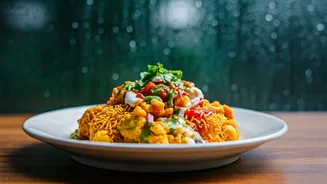
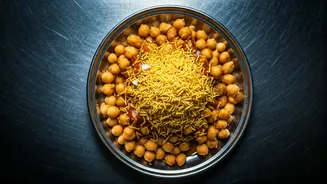
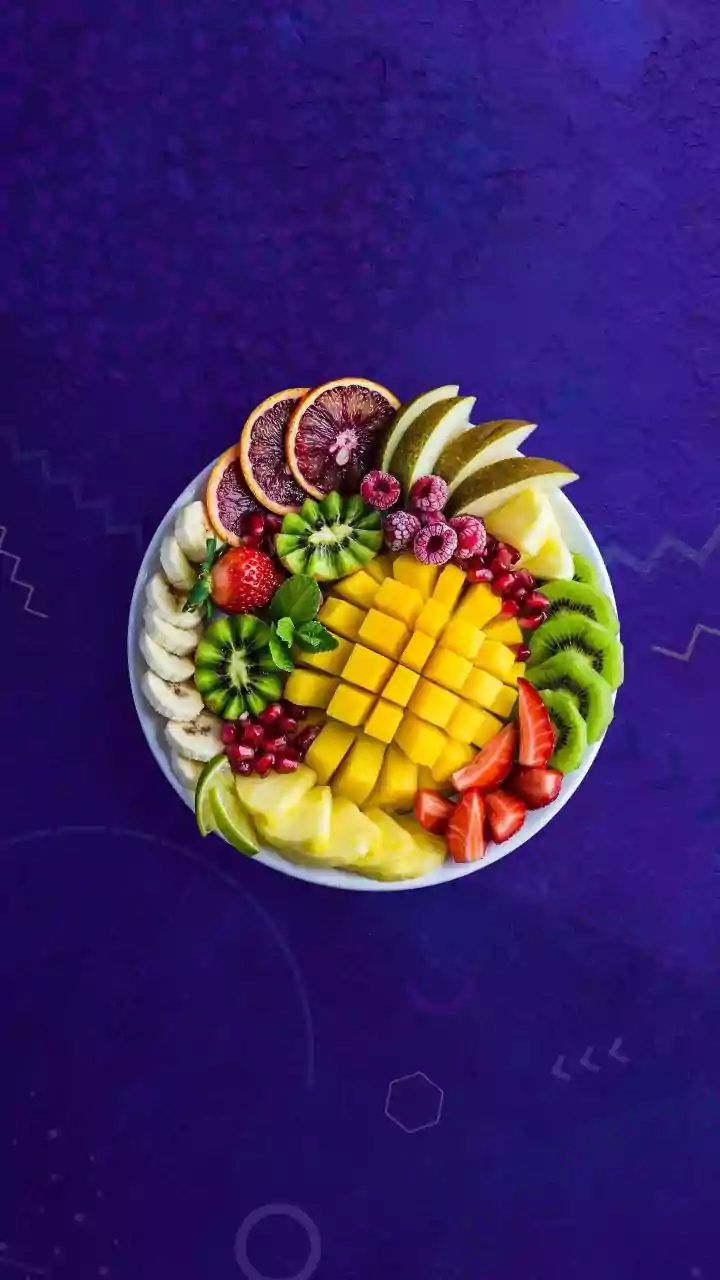
There's an undeniable charm to a plate of dahi puri, a crisp vegetable salad, or a colourful platter of pre-cut fruits. They are refreshing, quick, and seem like a light, healthy option. Especially on a humid day, the appeal of a cool, crunchy snack is strong.
These cold plates are a staple of Indian street food culture, offering a burst of flavour that is hard to resist. From bhel puri on the beach to a bowl of fruit chaat after a long day, these snacks are woven into the fabric of our daily lives. They promise instant gratification without the heaviness of a fried alternative, making them a go-to for millions.
Monsoon's Hidden Dangers
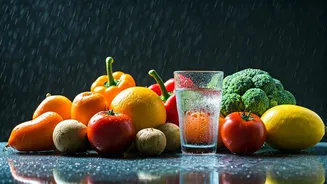
The rainy season, however, changes the game entirely. The high humidity and moisture in the air create a perfect breeding ground for bacteria, viruses, and fungi. [8, 18] This is why food safety becomes a major concern. Raw vegetables and fruits, which are the stars of most cold plates, pose a significant risk. [5] They can be contaminated by unclean water, exposure to flies, and unhygienic handling. [4, 7] Waterborne diseases like typhoid, cholera, gastroenteritis, and hepatitis A see a sharp spike during the monsoon, often traced back to contaminated food and water. [14, 15] Items like pani puri, where the water is a key ingredient, become particularly risky. [12] Even pre-cut fruits and salads can harbour harmful germs if they have been exposed to the air for too long. [5, 12]
Why Heat is Your Hero
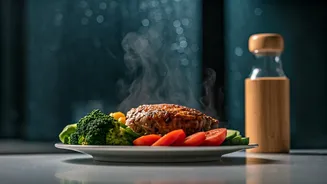
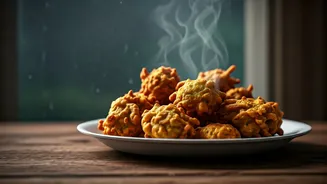
This is where hot snacks come to the rescue. The simple act of cooking food to a high temperature is one of the most effective ways to ensure it is safe to eat. Heat kills most of the harmful pathogens, including dangerous bacteria like E. coli and Salmonella, that thrive in the monsoon environment. [23, 26] A freshly fried samosa, a steaming plate of momos, or hot pakoras are not just comforting in the cool weather; they are significantly safer from a microbiological standpoint. [10, 11] While fried food should be eaten in moderation, the high temperature of the cooking process provides a crucial layer of protection that cold, raw ingredients simply do not have. Cooking breaks down food, making it easier to digest and its nutrients more accessible to the body. [23, 26]
Smart and Safe Snack Swaps
Enjoying the monsoon doesn't mean giving up on your favourite snacks; it just means making smarter choices. Instead of a plate of raw vegetable chaat, opt for a steamed sprouted moong chaat. [20] Instead of buying cut fruits from a street vendor, choose a hot bhutta (roasted corn on the cob) seasoned with lemon and spices. If you're craving pakoras, it's safer to have them freshly made at home or from a trusted vendor who cooks them in front of you. [5] Swap cold, raw leafy greens, which can carry germs, for cooked versions like palak pakoras or soups. [6, 17] The key principle is simple: always prioritise food that is fresh, covered, and, most importantly, served hot. This simple switch can protect you from many common monsoon illnesses and let you enjoy the season without worry. [3]