





The Invisible Risks on Fresh Fruit
Fruits and vegetables are a vital part of a healthy diet, but they can also be vehicles for foodborne illnesses. Pathogens like Salmonella, E. coli, and Listeria can contaminate produce at any point—in the soil or water during growth, or through handling
and storage after harvest. In fact, studies have shown that more foodborne illnesses can be linked to fruits and vegetables than to meat. These microorganisms are invisible to the naked eye, and since much fruit is eaten raw without a cooking step to kill pathogens, proper handling is your main line of defence. Contamination can also happen through cross-contamination in your own kitchen if you use the same cutting board for raw meat and fruit, or from unwashed hands.
Keep It Cool: The Importance of Temperature
Proper storage is crucial for maintaining both the quality and safety of your fruit. For perishable items like strawberries, mushrooms, and pre-cut fruits, refrigeration at or below 40°F (about 4°C) is essential to slow the growth of bacteria. Always refrigerate any produce that was purchased pre-cut or packaged. However, not all fruits thrive in the cold. Bananas, for example, can suffer from freezer damage if stored below 58°F (about 14°C). Other fruits like mangoes, peaches, and pears can be ripened at room temperature and then moved to the refrigerator to prolong their freshness. Tomatoes generally have the best flavour when stored at room temperature, but once fully ripe, they can be refrigerated for a couple of days. The key is to know which fruits need cold storage and to use your refrigerator's crisper drawers, which help maintain humidity and freshness.
The Right Way to Wash Your Fruit
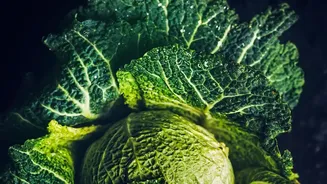
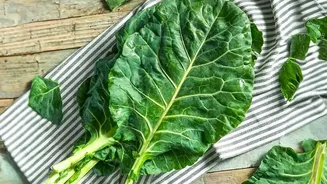
Washing produce right before you plan to eat or prepare it is a critical step. Washing fruit before storing it can introduce moisture that encourages mould growth and spoilage. The U.S. FDA recommends washing fresh produce under running tap water. You don't need to use soap or commercial produce washes. For fruits with firm skin, like melons, apples, or cucumbers, use a clean vegetable brush to scrub the surface, even if you don't plan to eat the peel. Bacteria from the rind can be transferred to the flesh when you cut into it. For delicate items like berries, place them in a colander and spray them with cool water rather than soaking them. For leafy greens, it's best to separate the leaves and rinse them individually.
Smart Handling from Market to Home
Food safety begins at the market. Choose produce that isn't bruised or damaged, as these spots can harbor bacteria. When shopping, bag fresh fruits and vegetables separately from raw meat, poultry, and seafood to prevent cross-contamination. At home, this separation is just as important. Store raw meat on the bottom shelf of your refrigerator so that juices can't drip down onto your produce. Before and after preparing fruit, wash your hands thoroughly with soap and warm water for at least 20 seconds. Also, ensure that your cutting boards, knives, and countertops are cleaned with hot, soapy water. Using separate cutting boards for produce and raw meat is an excellent practice to minimize risk.
When in Doubt, Throw It Out
Trust your senses. Before eating, inspect your fruit for signs of spoilage. Discard anything that is moldy, has large soft spots, or smells off. While small bruises can often be cut away, it's better to be cautious. Remember that pre-cut or peeled fruits and vegetables should be refrigerated within two hours and consumed within a few days. Staying vigilant about how your fruit looks, smells, and feels is the final check in ensuring it's safe to consume. Proper handling at every step, from selecting it at the store to washing and storing it at home, protects you and your family, allowing you to enjoy all the delicious and nutritious benefits that fresh fruit has to offer.