




The Undying Love for the Tangy Kick
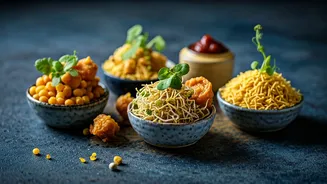
Close your eyes and think of the perfect pani puri. The crisp shell, the spicy water, the sweet-and-sour chutney—it’s a sensory explosion that’s etched into our national palate. From Delhi’s chaat corners to Mumbai’s bhel puri stands, chatpata isn’t just
a flavour; it’s an experience. It’s the taste of post-school treats, impromptu evening snacks, and festive indulgence. For decades, the thrill of chatpata has been intrinsically linked to the street: a slightly chaotic, utterly delicious, and unabashedly indulgent affair. It’s the flavour profile we turn to for comfort, celebration, and a jolt of excitement. This foundation is so strong that for the longest time, a 'healthy chaat' sounded like an oxymoron, a culinary contradiction.
Redefining 'Clean': Health Meets Heritage
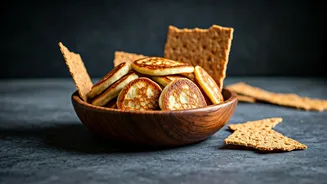
The first major shift in this new era is the focus on ‘clean’. This isn’t about stripping away the flavour, but about reimagining the ingredients. A wave of new-age brands and home-grown startups are deconstructing our favourite snacks and rebuilding them with a health-conscious blueprint. Think baked, not fried. Think jaggery instead of refined sugar in chutneys. Think millets, quinoa, or roasted makhana as a base for bhel instead of puffed rice. Packaged snacks now come with ‘clean labels’ proudly proclaiming “No Palm Oil,” “No MSG,” and “All Natural Ingredients.” This isn't just about calorie counting; it's about a broader wellness mindset. Consumers, especially post-pandemic, are more scrutinising than ever. They want the nostalgic taste of a sev puri but without the associated guilt or concerns about hygiene and processed ingredients. This has opened a massive market for guilt-free indulgence that delivers the same chatpata punch.
The 'Cool' Factor: From Street to Gourmet
Beyond being cleaner, chatpata food is also becoming undeniably cooler. It’s shedding its 'cheap and cheerful' street-side image and finding a place on the menus of high-end restaurants and trendy cafes. Here, chefs are treating chaat not as a quick snack, but as a canvas for creativity. We’re seeing deconstructed dahi vadas served in martini glasses, pani puri shots with infused waters like tamarind-mint or passionfruit, and avocado bhel served in delicate tart shells. This gourmet interpretation elevates the humble street food into a sophisticated culinary experience. It’s Instagrammable, innovative, and introduces the beloved flavour profile to a new generation of diners who might prioritise ambience and presentation alongside taste. This 'cool' factor makes it acceptable, even aspirational, to order chaat during a fine-dining experience, something that would have been unthinkable a decade ago.
Why This, Why Now?
Several forces are driving this transformation. Firstly, the pandemic accelerated a nationwide focus on health, immunity, and food safety, making consumers wary of traditional street food settings. This created a vacuum that hygienic, packaged alternatives and safe dining restaurants were quick to fill. Secondly, the rise of the Direct-to-Consumer (D2C) model has allowed innovative snack brands to reach customers across the country, not just in metros. You can now get a packet of kale chips with a chatpata seasoning delivered to a Tier-2 city. Thirdly, there’s a growing global appreciation for the complexity of Indian cuisine. As chefs and food entrepreneurs gain confidence, they are no longer afraid to experiment with regional flavours and present them in modern, world-class formats. The chatpata revolution is part of this larger story of Indian food coming into its own on the global stage.