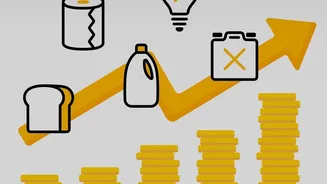








List Your Annual Expenses
You cannot prepare for an expense you haven't accounted for. The first step is to create a master list of every predictable bill that arrives once a year. Go through last year's bank statements or digital payment history to identify these costs. Common
examples in India include health and vehicle insurance premiums, school or college fees, annual society maintenance charges, and even planned festival spending for events like Diwali or Eid. Write down each item and its approximate cost. This simple act of listing transforms vague financial anxiety into a clear, manageable target.
Adopt the 'Sinking Fund' Strategy
A sinking fund is a simple but powerful concept: it is a dedicated savings pot for a specific, planned future expense. Instead of panicking when a ₹12,000 car insurance bill is due, you save ₹1,000 every month for a year. This turns a large, stressful payment into a small, manageable monthly habit. The key is to keep this money separate from your main savings or emergency fund. This prevents you from accidentally spending the money meant for your child's school fees on an impulse purchase. Think of it as creating your own interest-free EMI, where you pay yourself in advance.
Automate Your Savings
The single most effective way to ensure you stick to your plan is to remove manual effort. On the day your salary arrives, have a portion automatically transferred to your savings pots. You can set up recurring transfers or standing instructions through your banking app. For your sinking funds, consider using features within digital payment apps or dedicated savings apps that automate this process. Many fintech apps in India now offer 'digital pots' or micro-savings features linked to UPI that can round up your daily spends or transfer small, fixed amounts daily or weekly. By automating, you save before you have a chance to spend, making it a painless habit.
Conduct a 'No-Spend' or 'Low-Spend' Week
If your monthly budget is already stretched thin, finding extra cash to put into sinking funds can be difficult. A short-term 'no-spend' or 'low-spend' challenge can help kickstart your savings. For one week, commit to spending money only on absolute essentials—like commuting and basic groceries. This means no dining out, no online shopping, and no discretionary entertainment. You will be surprised how much you can save in just seven days. Tracking your expenses for a month can also reveal 'money leaks'—unused subscriptions or frequent small purchases that add up significantly. Redirecting this discovered cash into your annual bill fund can provide a much-needed boost.
Review and Negotiate Recurring Bills
While preparing for annual bills, take the opportunity to reduce your monthly ones. Many recurring expenses like mobile plans, internet services, and even insurance premiums can be negotiated. Call your providers and ask if there are better plans available or if they can offer a loyalty discount. Sometimes, simply mentioning a competitor's lower rate is enough to get a better deal. Even a small reduction of a few hundred rupees per month adds up over the year, freeing up more cash to allocate towards those larger, annual payments.
Leverage High-Yield Savings Options
Don't let your sinking funds sit idle in a low-interest savings account where inflation can erode their value. For money you need within a year, consider placing it in a high-yield savings account or a liquid mutual fund. These options are generally low-risk and offer better returns than a standard savings account, helping your money grow slightly while you save. Several Indian fintech apps now offer easy access to liquid funds with features that allow for quick withdrawals, making them a suitable place to 'park' your money for short-term goals.