







Beyond Basic Algorithms
For years, online shopping recommendations were simple: 'customers who bought this also bought that.' While helpful, this approach lacks personal nuance. Today's AI goes much deeper. It uses complex technologies like computer vision and natural language
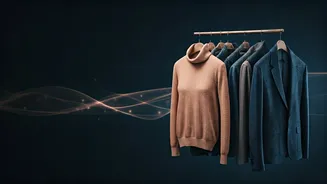
processing (NLP) to understand fashion on a visual and descriptive level. [3, 14, 27] Computer vision allows AI to analyze images, identifying attributes like colour, pattern, silhouette, and even fabric texture from a product photo. [2, 14, 28] NLP, on the other hand, helps the system understand how humans talk about clothes, processing product descriptions and customer reviews to grasp concepts like 'bohemian vibe' or 'formal office wear'. [3, 30] This combination allows AI to move beyond simple tags and truly comprehend the style and context of each garment, making its recommendations feel far more intuitive and less like a shot in the dark. [23]
Your Personal Stylist, Digitized
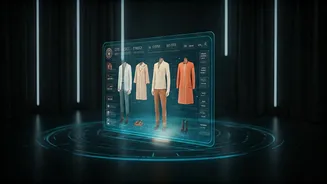
The most significant impact for consumers is the rise of hyper-personalization. [16] AI-driven platforms and apps now act as digital personal stylists. [10, 17] Companies like Stitch Fix use algorithms to match customers with clothing based on their stated preferences, size, and feedback on previous items. [5, 9, 12] The technology can analyze your past purchases, what you've browsed, and even your social media activity to build a detailed style profile. [19] Some advanced services allow users to upload photos of themselves for virtual try-ons or of outfits they like, prompting the AI to find similar items. [3, 7, 14] This creates a highly tailored shopping experience where you're shown items you are more likely to love, effectively filtering out the noise and tackling choice paralysis. [3, 16] According to a June 2026 report, the market for AI styling apps is booming, with tens of millions of users embracing this new way to manage their wardrobe. [10]
Predicting Trends Before They Happen
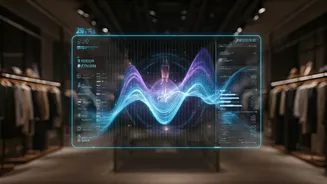
Beyond individual shoppers, AI is a powerful tool for brands and retailers. A major challenge in the fashion industry is predicting which trends will take off. [3] Getting it wrong leads to overproduction, waste, and financial loss. [4] AI-powered trend forecasting services like Heuritech analyze millions of images from social media, runway shows, and street style blogs to identify emerging patterns in real-time. [2, 4, 18] These systems can detect the growing popularity of a specific colour, a new handbag shape, or a particular pattern before it hits the mainstream. [4, 6] This data-driven insight allows brands to make smarter decisions about what to design and produce, aligning their collections more closely with actual consumer demand. [4, 15] It helps them stay ahead of the curve in a fast-changing industry and can also contribute to sustainability efforts by reducing excess inventory. [11, 24]
A New Era of Design and Efficiency
Generative AI, the technology behind tools that create original content, is also entering the fashion world. [15] It can assist designers by generating novel design concepts, patterns, and variations based on a brand's aesthetic and past collections. [5, 9] This doesn't replace human creativity but rather augments it, offering new avenues for inspiration and speeding up the design cycle. [25, 31] Furthermore, AI is optimizing the entire fashion supply chain. From managing inventory by predicting demand in specific locations to powering chatbots that offer styling advice, the technology is making the business of fashion more efficient. [11, 26] By forecasting demand with greater accuracy (some models reach 95% for short-term trends), companies like Zara can reduce overstock and ensure popular items are available. [18, 24] This efficiency translates to a better shopping experience and a more sustainable industry footprint. [11]