





The Monsoon’s Healing Broth
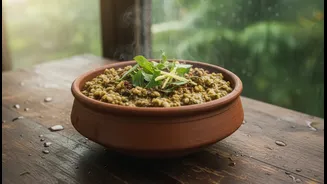
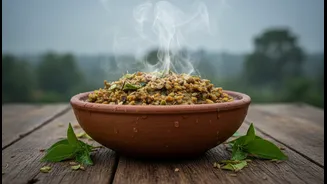
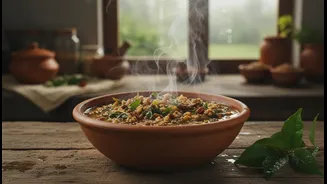
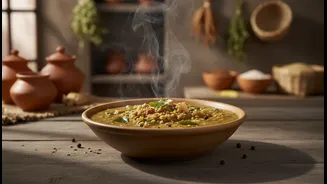
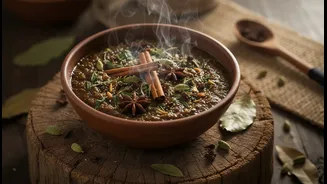
In Kerala, the month of Karkidakam (mid-July to mid-August) marks the peak of the monsoon. It's a time of relentless rain, lush greenery, and the quiet ritual of preparing Karkidaka Kanji. Far from being a simple rice gruel, this is a complex, aromatic
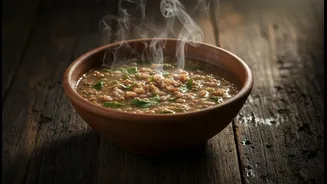
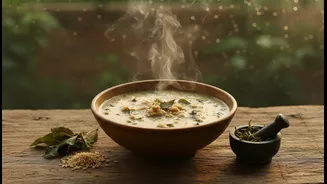
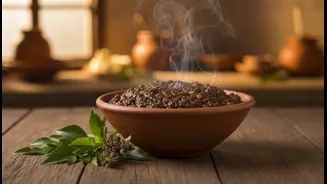
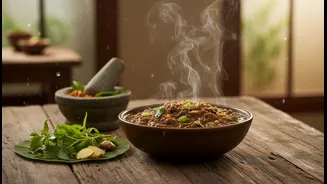
porridge, also known as Oushadha Kanji or 'medicinal porridge'. Traditionally consumed daily for a week or more during this month, it serves as a cornerstone of Karkidaka Chikitsa, the traditional Ayurvedic wellness regimen for the rainy season. Made with a base of creamy coconut milk and a special variety of red rice like Njavara, the kanji is a warm, comforting meal designed to nourish the body when it's considered most vulnerable.
An Ayurvedic Powerhouse
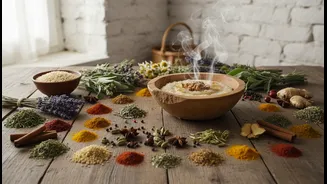
The wisdom behind Karkidaka Kanji is rooted in core Ayurvedic principles. According to Ayurveda, the monsoon season, or Varsha Ritu, is a time when our digestive fire, known as 'Agni', is naturally at its weakest. This can lead to sluggishness, poor digestion, and a lowered immunity, making us more susceptible to seasonal illnesses. Karkidaka Kanji is formulated to counteract this. The ingredients are chosen for their ability to be easily digested while simultaneously boosting the body's strength. The porridge is fortified with a potent blend of spices like fenugreek, cumin, dry ginger, and pepper, all known for their warming and digestive properties. Crucially, it also includes a mix of powerful herbs, often featuring the famed 'Dasapushpam'—a group of ten sacred local herbs revered for their healing properties.
More Than Just Porridge
To view Karkidaka Kanji as just a health food is to miss its deeper cultural significance. Historically, Karkidakam was a challenging month, often called the 'month of scarcity', when heavy rains limited work and food supplies. The Kanji was a practical, nourishing solution born from this reality, a tradition passed down through generations, primarily by the women of the household. It represents the profound knowledge of the home pantry, where food and medicine are one and the same. Preparing and sharing the Kanji is a ritual that connects families to their heritage and to a system of preventative healthcare that is gentle, intuitive, and deeply attuned to the rhythms of nature.
India's Broader Monsoon Pantry
While Karkidaka Kanji is specific to Kerala, the philosophy behind it resonates across India. The monsoon prompts a collective shift in diet throughout the country, moving away from raw, heavy foods towards warm, cooked, and easily digestible meals. Nearly every state has its own version of a comforting monsoon porridge, whether it's called Ganji in Karnataka or Pej in Odisha. In Bengal, the rainy-day staple is Khichuri, a wholesome mix of rice and lentils, often enjoyed with fried vegetables. In Maharashtra, Pithla Bhakri, a savory gram flour porridge served with millet flatbread, provides similar comfort. These dishes are a testament to a shared ancestral wisdom: that eating seasonally is the key to staying healthy and balanced.
A Tradition Renewed
In today's fast-paced world, this ancient tradition is finding fresh relevance. There is a growing appreciation for ancestral diets and natural wellness, bringing Karkidaka Kanji back into the spotlight. For those without the time or access to forage for the specific herbs, convenient ready-to-cook 'Kanji kits' have become popular, containing the pre-portioned rice and medicinal herb mixture. Restaurants and wellness retreats now feature it on their monsoon menus. This modern revival isn't just about nostalgia; it's a recognition that the wisdom of our grandmothers' kitchens holds powerful, practical solutions for contemporary well-being.