







The River That Powered an Industry
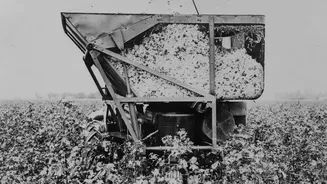
Long before the first modern mill, the Coimbatore region's identity was tied to textiles. Its rich black soil was perfect for cotton cultivation, and for centuries, its handloom fabrics were prized, even reaching ancient Rome. The Noyyal River, originating
in the Western Ghats, was the backbone of this agrarian society. The turning point came in the late 19th and early 20th centuries. Visionary entrepreneurs saw the potential of combining the region's abundant cotton with modern technology. The first mechanised textile mill, the Coimbatore Spinning and Weaving Mills, was established in 1888 by Sir Robert Stanes. This event marked the beginning of an industrial revolution for the city, powered initially by steam and later by the transformative arrival of hydroelectricity from the Pykara project in the 1930s. The river was essential, providing the vast quantities of water needed for processing cotton and powering the burgeoning industry.
The Rise of a Textile Titan
The availability of cheap power triggered a cotton boom. Local agricultural communities, particularly farmers who cultivated the black soil, reinvested their profits into setting up new mills. Names like Lakshmi Mills, Kaleeswarar Mills, and the mills founded by the PSG family became synonymous with Coimbatore's growth. The city transformed from a quiet network of villages into a bustling industrial centre, attracting a large workforce and spurring the development of ancillary industries like textile machinery and motor pumps. By the mid-20th century, Coimbatore housed over 25,000 industrial units, cementing its reputation as a textile powerhouse. This industrial heritage is not just about factories; it's about the entrepreneurial culture that turned agricultural wealth into industrial prosperity, shaping the city's economic and social fabric for generations.
A Legacy of Prosperity and Pollution
The industrial boom, however, came at a severe environmental cost. The same Noyyal River that nurtured the industry became its dumping ground. For decades, textile units, especially dyeing and bleaching factories in Coimbatore and the nearby hub of Tirupur, discharged untreated chemical effluents directly into the river. The water, once a source of life, turned into a toxic sewer filled with harmful chemicals, heavy metals, and dyes. The pollution became so severe that the river would often be covered in a thick layer of white foam. This contamination decimated aquatic life and seeped into the groundwater, rendering vast tracts of agricultural land downstream infertile and making the water unfit for consumption.
Reckoning and Restoration
The consequences of this industrial heritage have led to a critical reckoning. The Noyyal, once the city's lifeline, became a symbol of environmental neglect. In recent years, public awareness and court interventions have forced a change. Many polluting units were ordered to install Zero Liquid Discharge (ZLD) systems to treat and reuse their wastewater. Alongside these regulatory measures, a concerted effort involving environmental organisations like Siruthuli, corporate social responsibility initiatives, and government action is underway to rejuvenate the river. These projects focus on desilting the riverbed, restoring the traditional 'anicut' check dam systems, clearing invasive vegetation, and improving water flow to recharge groundwater. The goal is to revive the ecological health of the river basin, acknowledging that the region's future depends on restoring the natural resource that first enabled its prosperity.