





Swap Quinoa for Millets
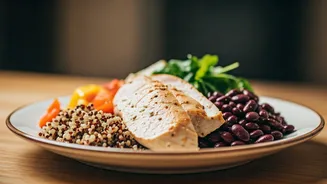
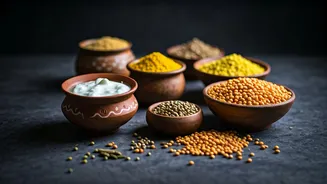
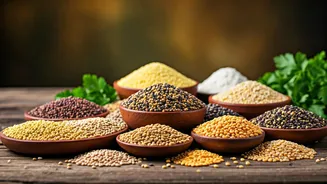
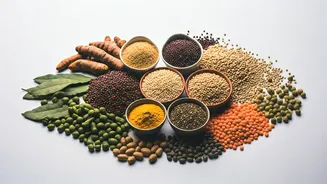
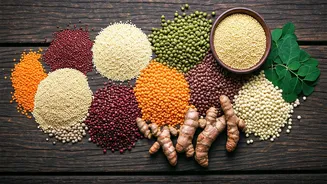
Quinoa has been hailed as a complete protein, but its price in India reflects its imported status, costing anywhere from ₹500 to ₹800 per kilogram. Enter millets like ragi, jowar, and bajra. These ancient Indian grains are not only gluten-free but often
nutritionally superior. For example, ragi (finger millet) contains almost 20 times the calcium of quinoa, a crucial mineral often lacking in Indian diets. Barnyard millet boasts more iron and fibre than quinoa. At a fraction of the cost, often under ₹150 per kg, millets are a more sustainable and economically sensible choice for daily nutrition, supporting local farmers and fitting seamlessly into Indian cooking, from rotis to khichdi.
Rethink Whey Protein with Sattu and Paneer
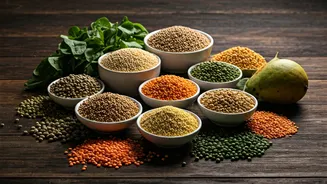
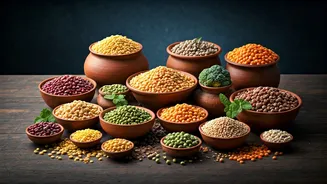
Whey protein is the go-to for many fitness enthusiasts for post-workout recovery, and for good reason: a single scoop can deliver 25-30 grams of fast-absorbing protein. However, it can be expensive and may cause digestive issues for those with lactose sensitivity. India’s traditional muscle-builder, sattu (roasted gram flour), offers a compelling whole-food alternative. While lower in protein concentration per scoop (around 6-7g), sattu is rich in fibre, iron, and magnesium, promoting gut health and providing sustained energy. For general health, sattu is a fantastic, affordable option. Don't forget other desi protein powerhouses like paneer and lentils (dal), which form the backbone of a healthy, high-protein Indian diet. A simple bowl of dal provides ample protein and fibre.
Choose Local Greens over Kale
Kale became a global sensation, but its bitter taste and high price have made it a difficult fit for many Indian households. Thankfully, our local sabzi markets are overflowing with superior alternatives. Moringa (drumstick leaves), often called a 'miracle tree', is a nutritional powerhouse. Gram for gram, moringa has more protein, iron, and calcium than kale. It's also packed with antioxidants and anti-inflammatory compounds. Similarly, common greens like spinach (palak) and mustard greens (sarson) are rich in vitamins, fibre, and iron, and are perfectly suited to our culinary traditions. Swapping expensive, imported kale for these fresh, local greens is a win for your health, your wallet, and your taste buds.
Trade Chia Seeds for Sabja
Chia seeds are famous for their omega-3 content and ability to form a gel in liquids. But we have our own traditional seed that does the same, and more: sabja (sweet basil seeds). Sabja seeds look and behave like chia but are often cheaper and better suited to our climate due to their natural cooling properties. They are excellent for digestive health, and some analyses show they have a higher fibre content than chia seeds. Soaked in water, they are a traditional addition to drinks like falooda and sherbet, helping to beat the summer heat while providing a fibre boost.
Embrace Amla over Acai Berries
Exotic acai berries are marketed for their high antioxidant and Vitamin C content, but they come with a hefty price tag. The humble Indian gooseberry, amla, blows them out of the water. Amla contains up to 20 times more Vitamin C than acai berries, making it one of the most potent immunity-boosting foods available. It is a cornerstone of Ayurvedic medicine, celebrated for its anti-ageing properties and benefits for hair, skin, and overall vitality. Whether consumed fresh, juiced, powdered, or as a traditional murabba (preserve), amla offers incredible nutritional benefits without the need for importation.