


Build a Strong Foundation
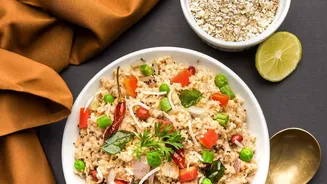
The cornerstone of a healthy vrat diet lies in choosing the right carbohydrates. Instead of regular grains, Sawan fasting relies on alternatives that provide sustained energy. Flours like kuttu (buckwheat), singhara (water chestnut), and rajgira (amaranth)
are excellent for making rotis, puris, or cheelas. Sabudana (tapioca pearls) and samak rice (barnyard millet) are other popular choices. While sabudana is a great source of carbohydrates, pairing it with peanuts in a khichdi adds a welcome protein boost. These foods are not just traditional; they are complex carbohydrates that keep you feeling full and energised for longer periods, preventing the energy slumps that can accompany fasting.
Power Up with Produce and Protein
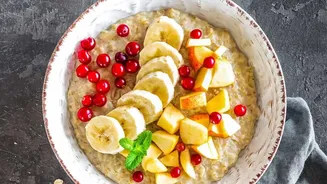
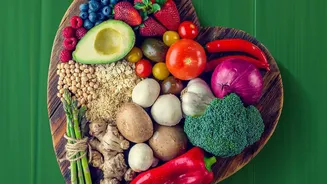
Fruits and vegetables are your best friends during Sawan. They provide essential vitamins, minerals, and natural sugars for instant energy. Bananas, apples, papayas, and pomegranates are great choices. For vegetables, stick to vrat-approved options like potatoes, sweet potatoes, lauki (bottle gourd), and pumpkin. However, a common mistake is neglecting protein. To stay truly nourished, it's vital to include protein sources in your meals. Dairy products like milk, paneer, and curd are excellent. A bowl of curd or a glass of lassi can be incredibly cooling and satisfying. Paneer, lightly sautéed with rock salt and black pepper, makes for a fulfilling meal that supports muscle health.
Hydration is Non-Negotiable
During the humid monsoon weather of Sawan, staying hydrated is crucial, especially when fasting. Dehydration can lead to headaches, fatigue, and dizziness. While water is essential, you can also supplement with other healthy fluids. Coconut water is a fantastic natural electrolyte drink. Fresh fruit juices (without added sugar) and buttermilk (chaas) are also refreshing and nourishing options. It's important to sip fluids throughout the day rather than drinking a large amount at once, especially when breaking the fast. This helps your body absorb the fluids more effectively and maintains a steady level of hydration.
Snack Smartly, Not Sparsely
Feeling hungry between meals is natural during a fast. Instead of reaching for processed or fried vrat snacks that are high in salt and unhealthy fats, opt for wholesome alternatives. A handful of nuts and dry fruits like almonds, walnuts, and dates provides a quick burst of energy and healthy fats. Roasted makhana (fox nuts) is another fantastic option; it's light, crunchy, and surprisingly filling. You can also have a simple fruit chaat or a bowl of sweet potato chaat. These smart snacks will curb hunger pangs without making you feel heavy or sluggish.
Common Pitfalls to Avoid
One of the biggest mistakes people make during Sawan fasting is overindulging in deep-fried foods. While kuttu puris and sabudana vadas are delicious, consuming them in excess can lead to digestive issues and defeat the purpose of a light, sattvic diet. Another common error is breaking the fast with a very heavy meal. This can shock your digestive system. It's better to start with a piece of fruit or a glass of milk before moving on to a larger meal. Finally, ensure you use only sendha namak (rock salt) for seasoning, as regular table salt is traditionally avoided. Mindful eating is just as important as the food choices you make.