


Why One Ratio Doesn't Fit All
For years, many of us have followed a standard 'one-part rice to two-parts water' rule, only to be met with inconsistent results. The reason is simple science. Every rice grain is a packet of starch, primarily two types: amylose and amylopectin. Long-grain
rice like Basmati is high in amylose, which results in cooked grains that are firm, fluffy, and separate. Shorter-grain varieties often have more amylopectin, which makes them stickier when cooked. Furthermore, factors like whether the rice is whole-grain (like brown rice with its bran layer) or polished white rice drastically change how much water it can absorb and how long it needs to cook. A single ratio simply cannot account for this diversity.
The Golden Rules for Basmati
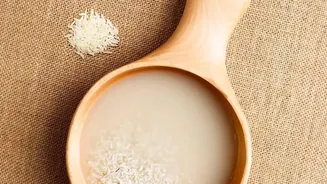
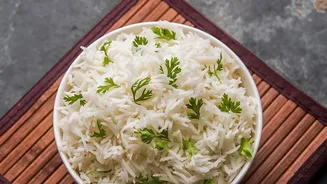
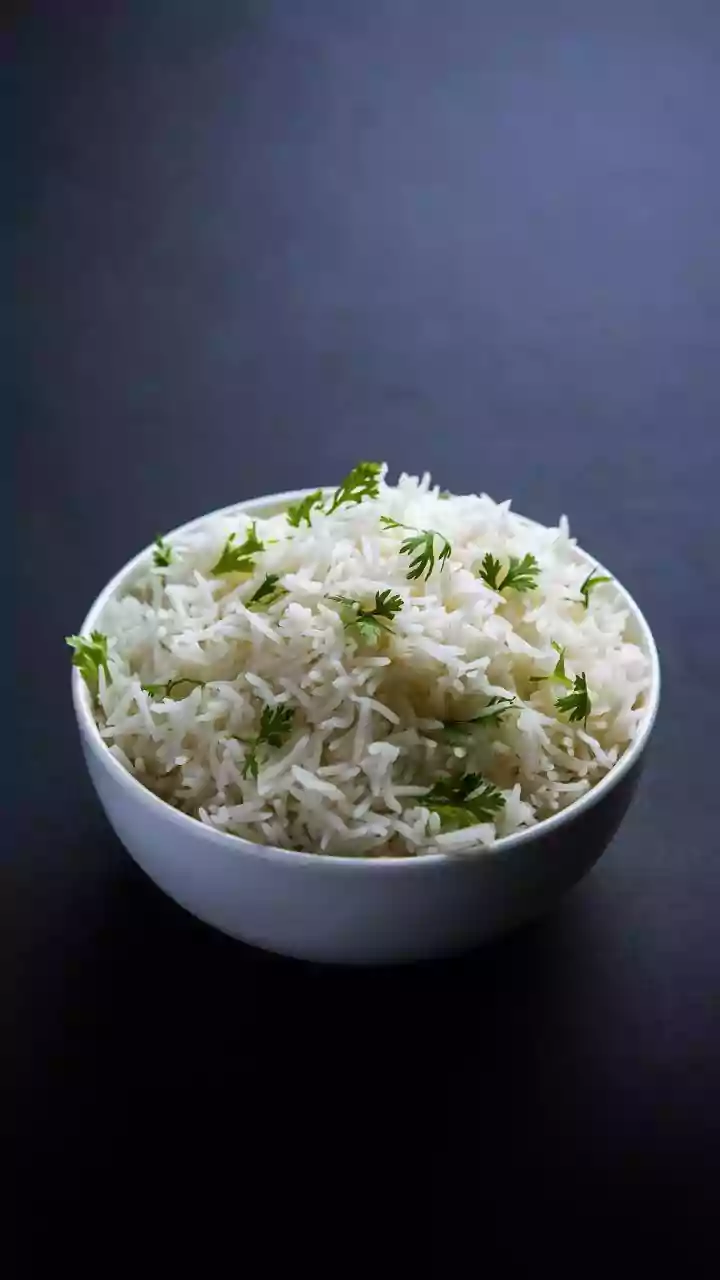
Basmati is the king of rice for good reason, beloved for its fragrance and long, elegant grains. To do it justice, the water ratio is critical. For a perfect stovetop preparation, a starting ratio of 1 cup of rice to 1.5 cups of water is a reliable choice. If you prefer softer grains, you can increase this to 1.75 cups of water. One of the most important steps for Basmati is rinsing the grains thoroughly until the water runs clear. This removes excess surface starch that causes stickiness. For even better results, soak the rinsed rice in cold water for 20-30 minutes. This helps the grains cook more evenly and elongate beautifully. If you soak the rice, you can slightly reduce the water during cooking.
Taming Sona Masuri and Medium Grains
A staple in many South Indian households, Sona Masuri is a medium-grain rice that's lighter and more aromatic than other everyday varieties. However, it behaves quite differently from Basmati. Sona Masuri and similar medium-grain rice varieties are thirstier and require more water to become soft and fluffy. The most commonly recommended ratio is 1 cup of rice to 2 cups of water. Some home cooks even go up to 2.5 cups of water for an even softer texture, which is ideal for dishes like curd rice. Just like with Basmati, rinsing Sona Masuri before cooking is essential to wash away excess starch and ensure the grains don't turn into a sticky clump.
The Special Case of Brown Rice
Switching to brown rice for its health benefits can be a shock in the kitchen if you use the same water ratio as for white rice. Because brown rice retains its outer bran and germ layers, it acts like a tiny waterproof jacket. It takes more water and a significantly longer cooking time for the moisture to penetrate the grain. A good starting ratio for brown rice is 1 cup of rice to 2.25 cups of water, or even up to 2.5 cups. Soaking brown rice for at least 30 minutes can help shorten the cooking time and improve its texture, making it less chewy. Don't be tempted to rush the process; brown rice needs patience, but the nutty flavour and firm texture are worth the wait.
Beyond the Measuring Cup: Pro Tips
While ratios are an excellent starting point, many experienced home cooks rely on intuition. One of the most famous non-measuring techniques is the 'knuckle method'. After rinsing your rice and levelling it in the pot, simply rest the tip of your index finger on the surface of the rice and add water until the water level reaches the first knuckle on your finger. This works because it measures the volume of water above the rice, which stays proportional no matter how much rice you're cooking. Finally, always let your rice rest. Once the cooking is done and the heat is off, let the pot sit, covered, for 5-10 minutes. This allows the steam to redistribute, finishing the cooking process and ensuring every grain is perfectly fluffy.