

The Tale of Two Tastes
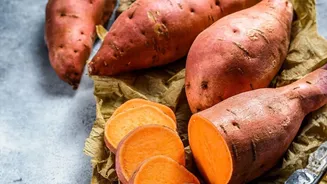
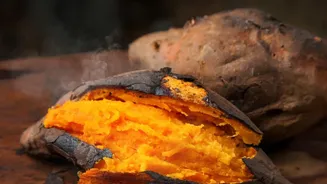
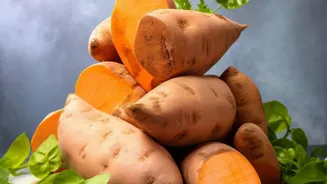
Though both are known for their sweetness, their flavour profiles are distinct. The sweet potato offers a more pronounced, earthy sweetness with a starchy backbone. When roasted, its sugars caramelize deeply, resulting in a rich, dessert-like flavour.
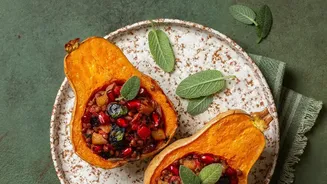
Butternut squash, on the other hand, is milder and nuttier. Its sweetness is more subtle and vegetal, closer to that of a pumpkin or other gourds. This makes it a versatile player that can lean savoury or sweet depending on the preparation.
Texture Makes the Difference
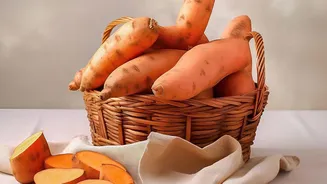
Herein lies the most crucial distinction for any cook. A sweet potato is a root vegetable, dense and starchy all the way through. A butternut squash is technically a fruit, growing on a vine with a hollow, seeded cavity. This fundamental difference dictates how they behave when cooked. Sweet potatoes have a fluffier, sometimes drier texture when baked, similar to a regular potato. Butternut squash contains more water, resulting in a silkier, smoother, and more fibrous consistency when cooked. This higher moisture content means it breaks down more easily, lending itself to creamy preparations.
A Quick Nutritional Glance
From a nutritional standpoint, neither is inherently 'healthier'; the better choice depends on your goals. Butternut squash is the lighter option, containing significantly fewer calories and carbohydrates per cup than sweet potato. If you're looking for volume with fewer calories, squash is the winner. Conversely, the sweet potato packs more of a punch in terms of fiber and protein, making it more filling. It also tends to be higher in certain micronutrients like potassium and vitamin C. Both are excellent sources of Vitamin A.
When Sweet Potato Is the Hero
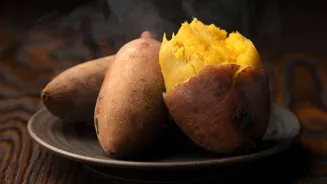
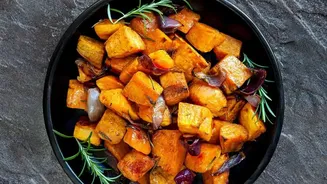
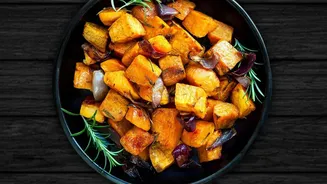
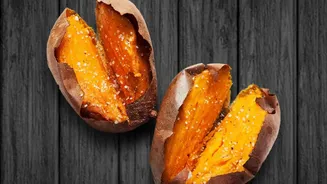
Choose sweet potato when you need structure and a starchy bite. Its denser flesh holds its shape well, making it the undisputed champion for fries and roasted wedges that are crispy on the outside and fluffy on the inside. Whole baked sweet potatoes are a classic for a reason; their skin becomes crisp while the inside turns soft and tender. It’s also the ideal choice for heartier casseroles and gratins where you want distinct layers rather than a puree. Its pronounced sweetness also makes it a natural fit for pies and other baked goods where it is the star flavour.
Where Butternut Squash Shines
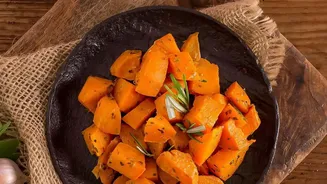
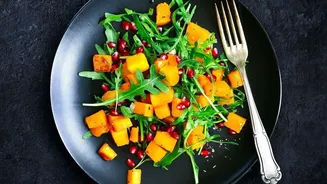
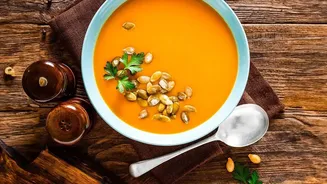
Reach for butternut squash when creaminess is your goal. Its texture is tailor-made for velvety, blended soups where it creates a silky-smooth consistency without needing a lot of added cream or dairy. Roasting cubes of butternut squash until tender and then tossing them into salads, risottos, or pasta dishes adds a nutty sweetness and a soft bite. It also mashes beautifully, creating a less starchy, more elegant side dish than mashed sweet potatoes. Essentially, if the end goal is a puree, a sauce, or a silky filling, butternut squash is your most reliable bet.
The All-Important Substitution Question
Can you swap one for the other? The answer is a qualified 'yes'. In recipes where the vegetable will be puréed, such as soups or mashes, they can often be used interchangeably, though the final dish will reflect their individual characteristics—a sweet potato soup will be thicker and sweeter. For dishes that rely on texture, like fries or wedges, substitution is not recommended. Butternut squash has too much moisture to achieve the crispiness of a sweet potato fry. In baking, purees can be swapped, but you may need to adjust other liquids in the recipe to account for the higher water content in butternut squash.