






The Unsung Hero in Your Kitchen
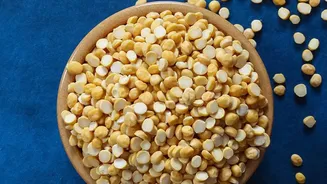
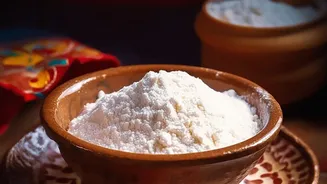
For centuries, sattu—a flour made from roasted grams (chana) and sometimes other pulses or cereals—has been a dietary staple across states like Bihar, Jharkhand, Punjab, and Uttar Pradesh. Often called the 'poor man's protein', this humble ingredient
has powered farmers and wrestlers for generations. Now, as fitness enthusiasts seek cleaner and more sustainable nutrition, sattu is stepping out of the shadows and into the spotlight as a genuine Indian superfood. Its resurgence is not just about nostalgia; it’s about recognizing the potent, science-backed benefits packed into this simple flour.
A Nutritional Powerhouse
The reason sattu is so effective lies in its dense nutritional profile. It is a fantastic source of plant-based protein, with chickpea-based sattu containing roughly 20-25 grams of protein per 100g. Beyond protein, it is rich in dietary fiber, which aids digestion and promotes a feeling of fullness, helping to manage weight. It's also packed with complex carbohydrates that provide a slow, sustained release of energy, preventing the sugar crashes associated with simpler carbs. Furthermore, sattu is loaded with essential minerals like iron, magnesium, and calcium, which are crucial for everything from oxygen transport and muscle function to bone health.
The Science of Sattu and Muscle Recovery
After a strenuous workout, your muscles need two primary things: protein to repair the micro-tears in muscle fibers and carbohydrates to replenish depleted glycogen stores (your body's energy reserve). Sattu delivers on both fronts. The high-quality protein, including essential amino acids, directly aids in muscle protein synthesis, reducing soreness and speeding up recovery. Simultaneously, its complex carbs refuel your energy levels steadily. Unlike many processed supplements, sattu is a whole food, meaning your body gets these nutrients in a natural, easily digestible form. It also has natural cooling properties, making it an excellent post-workout choice to hydrate and regulate body temperature.
Sattu vs. Whey: The Affordable Duel
Walk into any gym, and you'll see shakers filled with whey protein, which can cost thousands of rupees a month. Sattu presents a compelling, budget-friendly alternative. While a scoop of whey protein may offer a higher concentration of protein per serving, sattu provides a more holistic nutritional package with added fiber and minerals for a fraction of the cost. For many, sattu is also easier to digest, as it's free from the lactose that can cause bloating and other issues for some whey users. By choosing sattu, you are opting for a clean, unprocessed, and indigenous source of protein that has stood the test of time.
Crafting Your Perfect Sattu Recovery Bowl
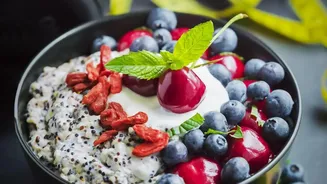
Making a sattu recovery bowl is simple and highly customizable. This is where the 'hack' comes in—it’s quick, easy, and incredibly effective. For a basic sweet bowl, start by taking 3-4 tablespoons of sattu powder in a bowl. Slowly add a little water or milk, mixing it into a smooth, thick paste to avoid lumps. Then, gradually add more liquid until you reach your desired porridge-like consistency. Now for the toppings: mash in a ripe banana for natural sweetness and potassium, add a spoonful of jaggery or honey, and top with nuts and seeds for healthy fats and an extra crunch. For a savoury twist, mix sattu with buttermilk (chaas), add finely chopped onions, a squeeze of lemon, roasted cumin powder (jeera), and a pinch of black salt. This creates a refreshing and nourishing meal perfect for replenishing your body after exercise.
Beyond the Bowl
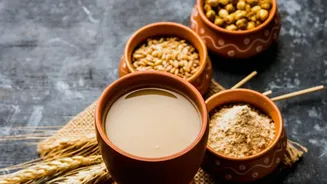
While sattu bowls are fantastic for a post-workout meal, the versatility of this superfood doesn't end there. The most traditional way to consume it is as a refreshing drink, or 'sherbet'. Simply mix sattu with water, lemon juice, and a pinch of salt for a hydrating, energy-boosting drink. You can also incorporate sattu into your daily meals by adding it to your whole wheat flour to make high-protein rotis or parathas, using it as a stuffing for littis, or even blending it into smoothies and soups for a hidden nutritional boost. Each method provides an easy way to increase your protein and fiber intake throughout the day.