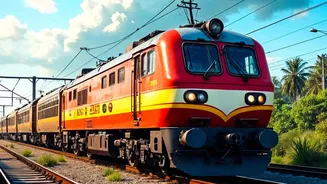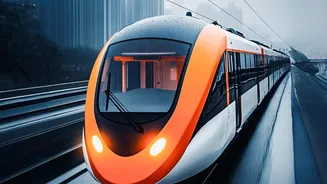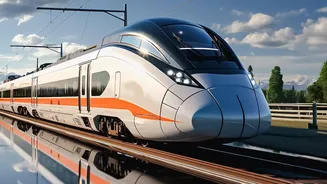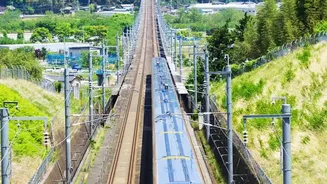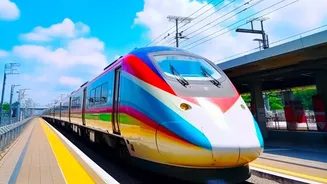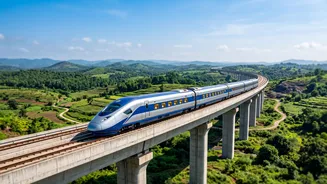

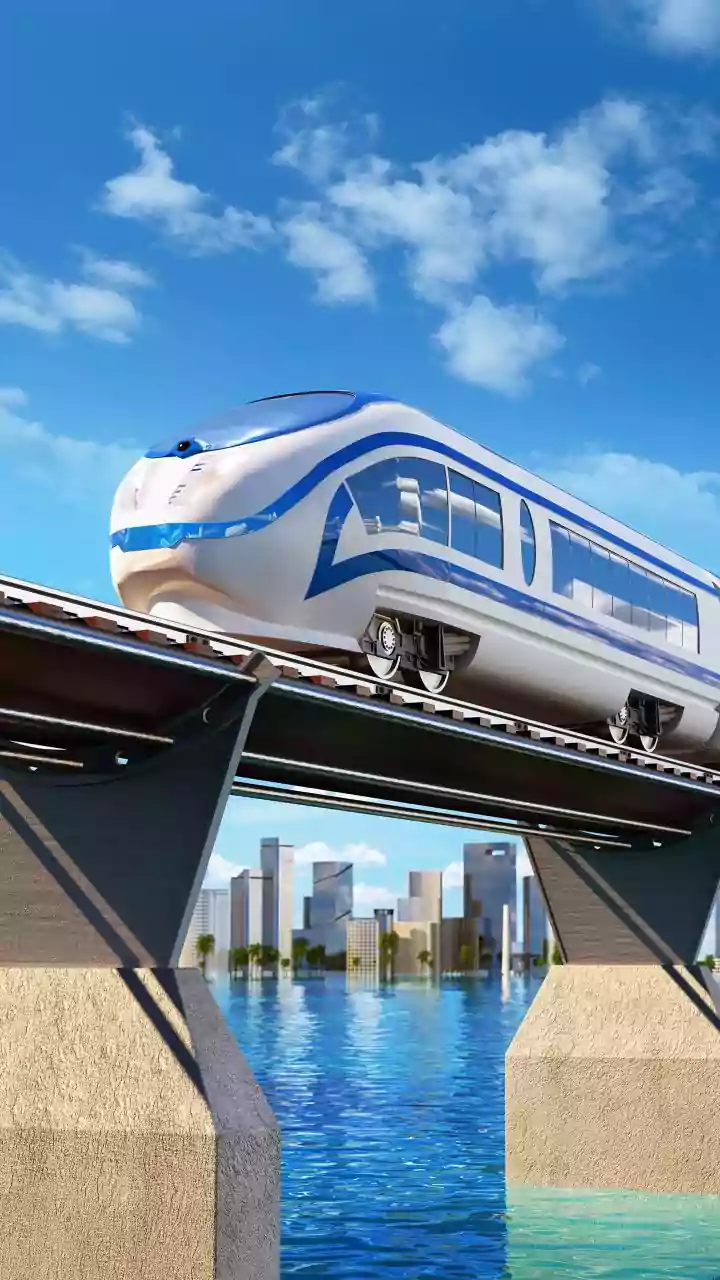
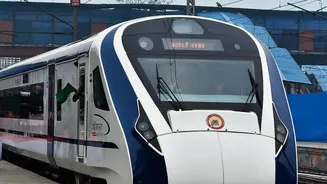
India's high-speed rail dream is becoming a tangible reality. The first operational segment of the ambitious Mumbai-Ahmedabad bullet train project is slated to be between Surat and Vapi, marking a pivotal moment for national infrastructure.
The First Step: Surat to Vapi
The initial
focus for India's first bullet train service is a priority section within Gujarat, connecting the commercial hubs of Surat and Vapi. According to the Railway Ministry, this portion of the 508-kilometre Mumbai-Ahmedabad High-Speed Rail (MAHSR) corridor is set to become operational in the last quarter of 2027. This phased approach allows the National High Speed Rail Corporation Limited (NHSRCL), the body overseeing the project, to launch services on completed stretches while construction continues elsewhere. Recent progress has been significant, with a key milestone achieved in November 2026 when the overhead electrical equipment was successfully energised on the 50-kilometre Surat-Bilimora stretch, which is part of the larger Surat-Vapi section. This 'powering up' is a crucial precursor to the trial runs, which are expected to begin by May 2027.
A Glimpse into the Future of Travel
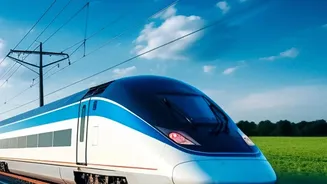
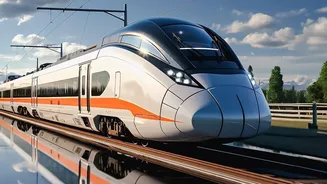
The project utilises Japan's renowned Shinkansen technology, known for its exceptional safety and punctuality. While the initial operational speed of the indigenously manufactured trains will be around 280 km/h, the corridor is designed for speeds up to 320-350 km/h. When fully operational, the bullet train will slash the travel time between Mumbai and Ahmedabad from over seven hours to just under three hours for all-stop services and around two hours for limited-stop services. The trains themselves, developed by a consortium including Integral Coach Factory (ICF) and BEML, are set to feature modern amenities, with configurations including standard and executive class coaches. This leap in speed and efficiency promises to redefine intercity travel in India.
The Bigger Picture: Challenges and Progress
The journey to this point has not been without its hurdles. The project, officially launched in 2017 with an initial completion target of 2022, has faced significant delays. These were largely due to challenges in land acquisition, particularly in Maharashtra, and the global disruption caused by the COVID-19 pandemic. As a result of these delays and other factors, the project's estimated cost has nearly doubled from its original projection of ₹1.08 lakh crore to approximately ₹2.02 lakh crore. Despite these setbacks, construction has been progressing at a rapid pace since 2021. As of late 2026, a substantial portion of the pier and viaduct work has been completed, especially in the Gujarat section, along with the excavation of mountain tunnels and progress on station construction.
Engineering Marvels and Indigenous Efforts
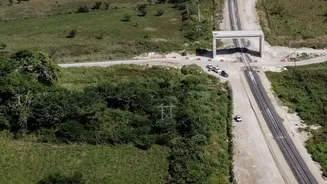
The MAHSR corridor is an engineering feat, featuring elevated viaducts, noise barriers, and even India's first undersea rail tunnel. This 7-kilometre tunnel under Thane Creek is a standout feature of the project, requiring massive, specialised tunnel boring machines. Beyond the civil engineering, there is a strong emphasis on the 'Make in India' initiative. While the core technology is from Japan, many components for the electrification system, such as transformers and wires, are being manufactured domestically. Furthermore, India is developing its own high-speed trainsets, with the B28 trainset currently undergoing testing for the initial services. This push for indigenous manufacturing is crucial for building domestic capabilities in high-speed rail technology for future projects.
Transforming Economies and Lifestyles
The impact of the bullet train is expected to extend far beyond simply faster travel. The corridor will connect major economic centres, including Mumbai, Surat, Vadodara, and Ahmedabad. This enhanced connectivity is projected to boost economic integration, making it easier to conduct business and transport goods across the region. Cities and towns along the route, like Vapi and Bilimora, are poised for significant growth, with improved access to larger markets. The project is also a major job creator, both during the construction phase and for future operations. For residents, it opens up new possibilities, such as living in a more affordable city like Surat while commuting to work in Mumbai, potentially transforming regional real estate markets and urban development patterns.