
The Modern Case for Ancient Grains
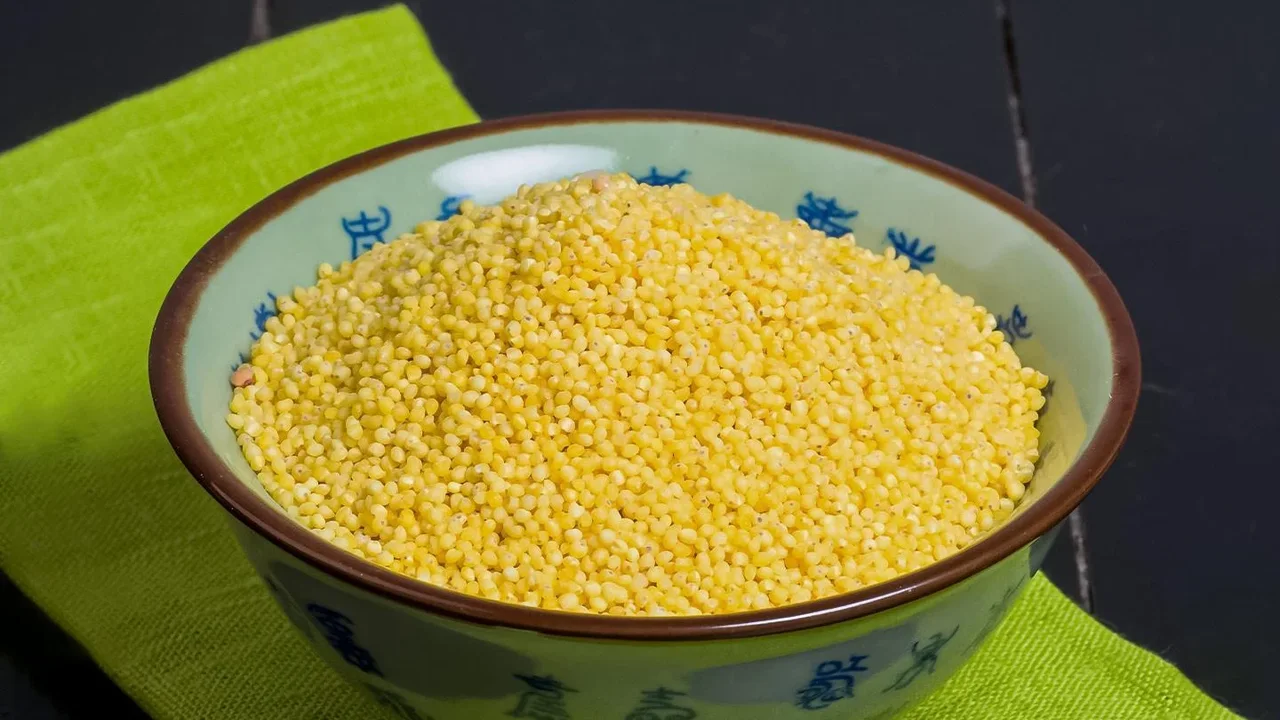
For centuries, millets were the foundation of Indian cuisine before polished rice and refined wheat became dominant. Today, a renewed focus on wellness has brought these nutritional powerhouses back into the spotlight. Millets are a family of small-seeded
grains that are rich in dietary fiber, protein, and essential minerals like iron, magnesium, and calcium. Their high fiber content aids digestion, helps manage blood sugar levels by slowing glucose release, and keeps you feeling full longer, which can support weight management. Furthermore, all millets are naturally gluten-free, making them an excellent and safe choice for individuals with gluten sensitivity or celiac disease.
Jowar (Sorghum): The Versatile Staple
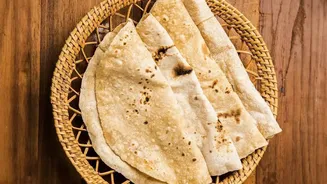
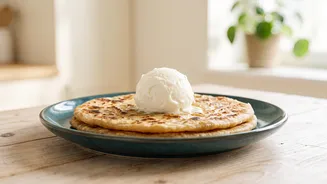
Jowar, a staple in regions like Maharashtra and Karnataka, is celebrated for its versatility and health benefits. It is a significant source of protein, antioxidants, and essential nutrients like iron and potassium. Its fiber-rich composition helps in promoting digestive health and can play a role in managing cholesterol levels. The most common way to use jowar flour is by making bhakri or rotis, which pair beautifully with curries and vegetables. The flour can also be used to make porridge or added to multigrain bread mixes for a nutritional upgrade.
Bajra (Pearl Millet): The Winter Warmer
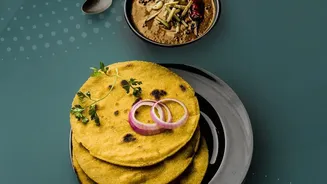
Bajra is a robust millet traditionally consumed in the winter months, especially in states like Rajasthan and Gujarat. It is known for its naturally warming properties and dense nutritional profile. Bajra is particularly rich in iron, making it beneficial for preventing anemia, and its high magnesium content supports heart and bone health. The coarse flour is used to make the classic bajra roti, which has a distinct, nutty flavour that is often enjoyed with a dollop of ghee and jaggery. It's also used in preparations like khichdi and porridge.
Ragi (Finger Millet): The Calcium Powerhouse
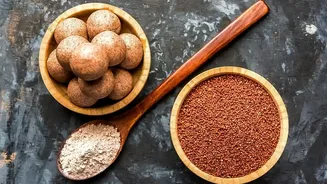
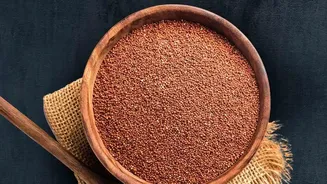
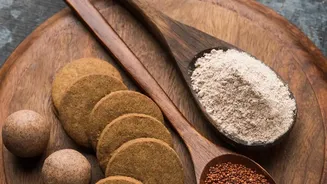
Known as Nachni in parts of North India, Ragi is a reddish-hued millet famed for its exceptional mineral content. It is one of the best non-dairy sources of calcium, making it vital for bone health, especially for children and older adults. Ragi is also rich in iron and amino acids. With a low glycemic index, it's a great option for those looking to manage blood sugar levels. Its flour is incredibly versatile and can be used to make dosas, idlis, rotis, and a nourishing porridge that is often one of the first solid foods given to babies in India.
Making the Switch: Tips for Your Kitchen
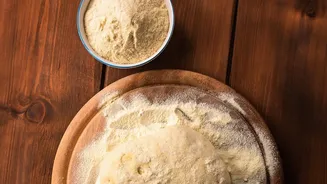
Incorporating millets into your diet doesn't require a complete overhaul of your cooking habits. A great way to start is by blending millet flour with your regular whole wheat atta for rotis, beginning with a 25% millet flour ratio and gradually increasing it. When working with 100% millet flours like bajra or jowar, using warm water to knead the dough helps create a softer, more pliable texture. You can also swap a portion of rice with whole millets like foxtail millet (kangni) or little millet (kutki) in dishes like pulao or upma. Experimenting with millet-based batters for dosas and crepes is another easy and delicious way to get started.