



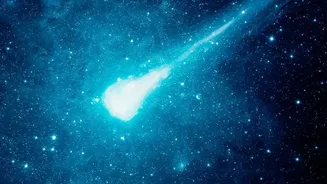

A Gift from Halley's Comet
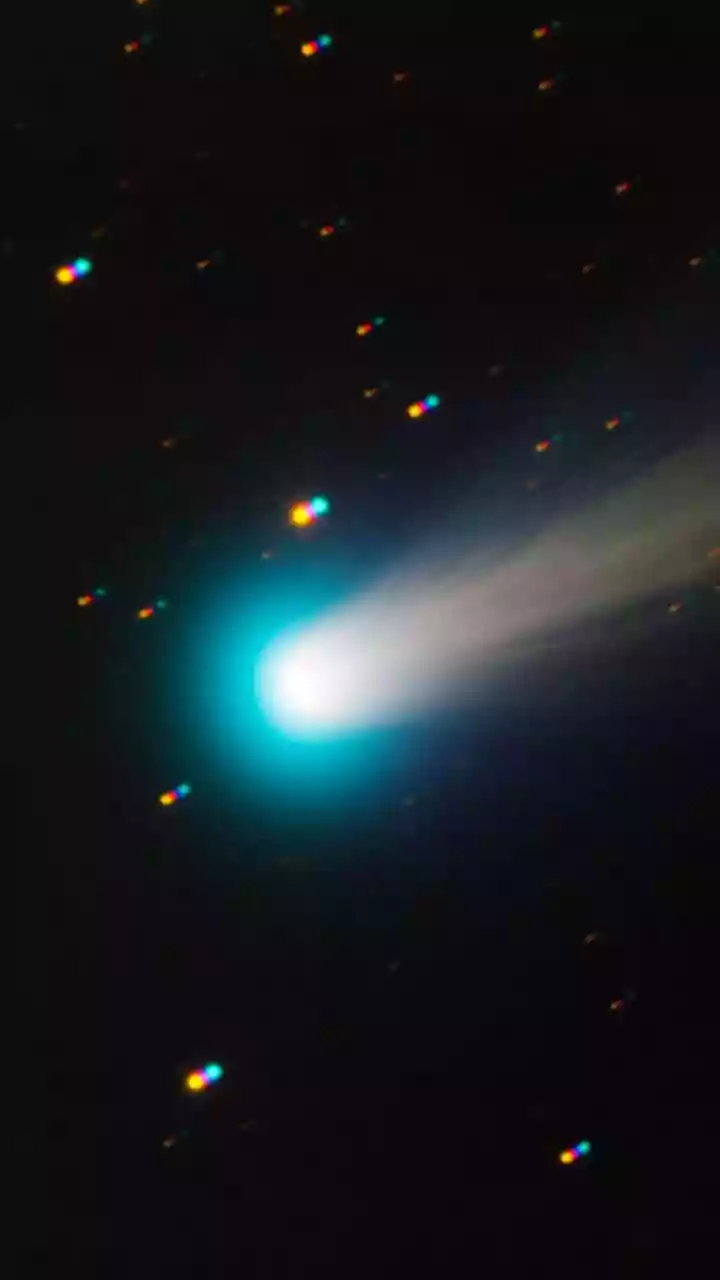
So, what exactly are we looking at? The Orionid meteor shower is an annual celestial event that occurs when Earth passes through the stream of debris left behind by Halley's Comet, the most famous of all comets. While the comet itself only visits the inner
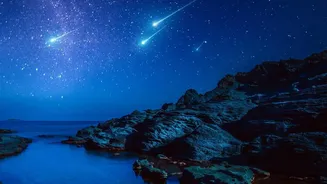
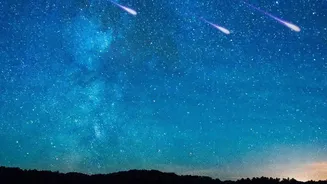
solar system every 76 years, its dusty trail lingers in space. Each October, our planet plows through this trail, causing tiny particles—many no larger than a grain of sand—to burn up in our atmosphere at incredible speeds. These fiery streaks of light are what we see as meteors, or 'shooting stars'. The Orionids are known for being particularly swift, entering the atmosphere at about 66 kilometres per second. This speed can result in bright, fast meteors, some of which may leave glowing trails that last for a few seconds.
Mark Your Calendar: The Peak Nights
While the Orionid meteor shower is active for a long window, typically from early October to early November, there is a specific period when the show is at its most spectacular. For 2026, the peak of the Orionid meteor shower is predicted to occur on the night of October 21 and into the early morning hours of October 22. During this peak, under perfect conditions, you might be able to spot between 15 to 20 meteors per hour. While the peak offers the highest concentration of meteors, the nights leading up to and immediately following October 21-22 are also excellent opportunities for spotting these shooting stars. So, if the weather is cloudy on the peak night, don't despair—you still have a good chance on adjacent nights.
Good News from the Moon
For any meteor shower, the biggest variable besides the weather is the Moon. A bright, full moon can act like a giant light polluter in the sky, washing out all but the very brightest meteors. This year, however, stargazers are in for a treat. The peak of the 2026 Orionid shower coincides perfectly with the New Moon on October 21. This means the sky will be completely dark and moonless, providing the ideal canvas for the meteors to shine. This is a fantastic stroke of luck that significantly boosts your chances of seeing a great show. With no moonlight to interfere, even the fainter meteors will be visible, making this year's shower a must-see event.
Your Ultimate Viewing Guide
You don't need any expensive equipment to enjoy a meteor shower, just a little planning. First and foremost, get away from city lights. The darker your location, the more meteors you will see. Find a spot in the countryside or a park with a wide-open view of the sky, far from streetlights and buildings. Secondly, give your eyes time to adjust. It takes about 20 to 30 minutes for your eyes to fully adapt to the darkness, so arrive early and put your phone away. Third, get comfortable. The best way to watch is lying down on a blanket or a reclining chair. This prevents neck strain and allows you to take in as much of the sky as possible. Finally, be patient. Meteor showers are not like fireworks; they come in spurts. You might see a few in quick succession, then nothing for several minutes. The key is to relax and enjoy the experience.
Where to Look in the Sky
The shower gets its name because its 'radiant'—the point in the sky from which the meteors appear to originate—is located in the famous constellation of Orion the Hunter. To find it, look for the three bright stars that form Orion's belt, a prominent feature in the night sky. However, a common mistake is to stare only at the radiant. While the meteors originate from this point, they can appear anywhere and everywhere in the sky. In fact, the meteors with the longest and most spectacular trails often appear far from the radiant itself. Therefore, the best advice is to lie back and look straight up, taking in as much of the sky as possible. Your peripheral vision will do the work of catching the streaks of light as they appear.