






The Unsung Hero of the Vegetable Basket
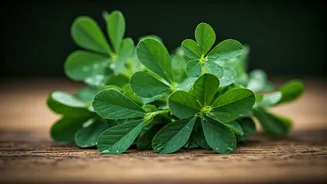
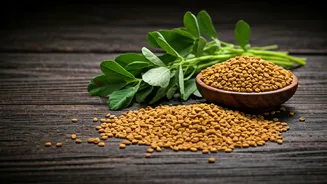
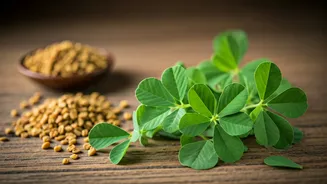
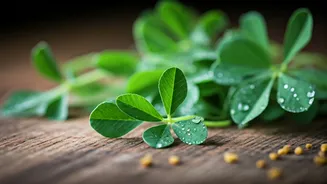
Walk through any vegetable market in India, and you will find bundles of fresh methi. Its presence is constant, its aroma distinct, and its role in our kitchens feels almost eternal. From the ubiquitous Aloo Methi to the travel-friendly Thepla, fenugreek
leaves have carved a niche in our culinary landscape. Yet, for an ingredient so common, it is surprisingly underrated. Often overshadowed by more glamorous greens, methi is frequently typecast, confined to a handful of familiar recipes. We appreciate it, but perhaps we don't celebrate it enough. Its characteristic bitterness, a flavour profile that is less common in modern diets, can be intimidating. But this very bitterness, when understood and balanced, is what makes methi a uniquely complex and rewarding ingredient.
More Than Just Flavour: A Nutritional Powerhouse
Beyond its distinctive taste, fenugreek is a treasure trove of health benefits. The leaves are a rich source of essential vitamins and minerals, including Vitamin C, Vitamin K, iron, and calcium. This nutritional profile contributes to a stronger immune system, better bone health, and improved blood health. The high fibre content is a significant aid to digestion, helping to prevent constipation and maintain a healthy gut. Furthermore, methi leaves are packed with antioxidants, which help protect our cells from damage. They have also been traditionally used for their anti-inflammatory properties and benefits for skin and hair health, often incorporated into home remedies for a natural glow and stronger hair.
Embracing the Bitterness
The primary hurdle for many aspiring methi lovers is its bitterness. However, this is not an insurmountable obstacle. A few simple kitchen tricks can help mellow its sharp taste, making it more palatable for everyone. One of the most effective methods is to sprinkle salt over the chopped leaves and let them sit for about 20-30 minutes before gently squeezing out the bitter juices and rinsing. Another popular technique involves blanching the leaves in boiling water with a splash of lemon juice for a few minutes, then shocking them in cold water. It’s also wise to use mainly the leaves and avoid the thicker, more bitter stalks. Some cooks find that pairing methi with dairy, such as yoghurt (curd) when making dough for parathas, effectively masks the bitterness while adding flavour.
Beyond Aloo Methi: A World of Possibilities
While Aloo Methi is a classic for a reason, methi’s versatility extends far beyond this simple stir-fry. In Gujarat, it is the star of Methi na Gota (savoury fritters) and Thepla (spiced flatbreads). In the north, it enriches creamy curries like Methi Matar Malai, where its bitterness is beautifully balanced by the sweetness of peas and cream. It can be stirred into dals, added to chickpea curries like Methi Chole, or mixed into flavourful rice dishes like Methi Pulao. Non-vegetarian dishes also benefit from its unique profile, as seen in the flavourful Methi Chicken curry. Exploring these regional variations reveals the true culinary range of this incredible green.
The Magic of Kasuri Methi
No discussion of fenugreek is complete without mentioning its dried form, Kasuri Methi. Named after the Kasur region of Pakistan, these dried leaves possess a more concentrated, aromatic, and less bitter flavour than their fresh counterparts. Kasuri Methi is not a substitute for fresh methi but rather a different ingredient altogether—a finishing herb. It is what gives many restaurant-style curries, from Butter Chicken to Dal Makhani, their signature, irresistible aroma. Crushing the leaves between your palms before sprinkling them over a dish releases their essential oils, adding a final layer of complex, savoury, and slightly sweet notes that can elevate a simple meal into something special.