






The Science of Comfort Cravings
That sudden desire for a plate of pakoras isn't just in your head; it's rooted in biology. Gloomy, overcast weather and a lack of direct sunlight can cause a dip in the body's serotonin levels. Serotonin is a neurotransmitter often called the "feel-good"
chemical because it helps regulate mood and happiness. To counteract this dip, the brain starts craving carbohydrates and fats, which can provide a quick, albeit temporary, boost in serotonin and dopamine, another pleasure-related neurotransmitter. This makes fried, starchy foods like pakoras feel incredibly rewarding on a damp, cool day.
A Full-Sensory Experience
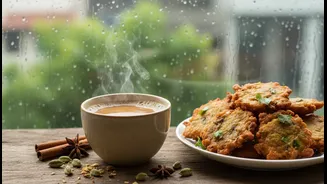
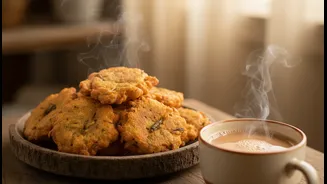
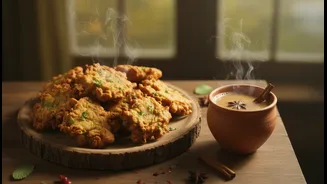
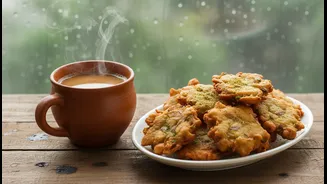
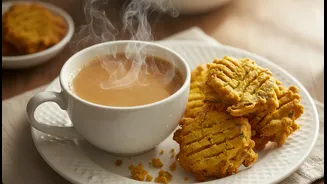
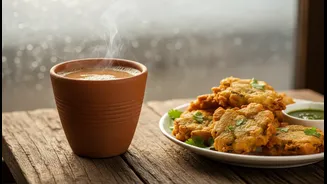
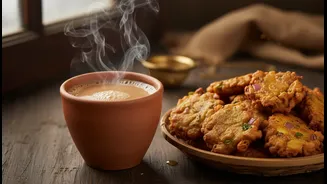
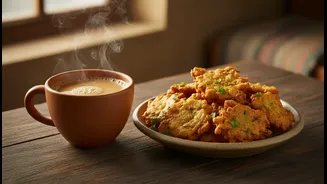
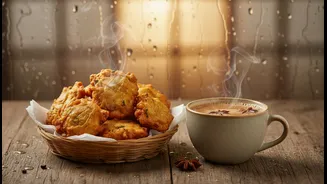
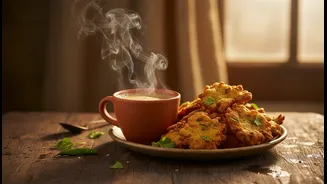
The monsoon engages all our senses, and our food cravings are a direct response. The earthy smell of the first rain on dry soil, known as petrichor, has a powerful effect on the brain, often triggering feelings of calm and nostalgia. The drop in temperature makes us naturally gravitate towards warmth. A steaming cup of chai warms your hands, while hot, crispy pakoras provide a delightful textural contrast to the damp, humid atmosphere. The crunch of a perfectly fried pakora is deeply satisfying when everything else feels soft and wet. This combination of warmth, crunch, and flavour creates a rich sensory experience that feels tailor-made for a rainy day.
The Power of Nostalgia and Tradition
For many Indians, the connection between rain and these specific snacks is built over a lifetime. This is a classic case of associative learning. Think back to childhood: rainy afternoons often meant staying indoors, with the family gathered together. The sound of sizzling pakoras in the kitchen and the aroma of ginger-infused chai became the soundtrack to these cozy moments. Over years, the brain forges a strong link between the sensory inputs of rain and the emotional comfort of these shared family rituals. So, when it rains, you're not just craving a snack; you're often craving the feeling of comfort, togetherness, and nostalgia that came with it.
A Perfect Culinary Pairing
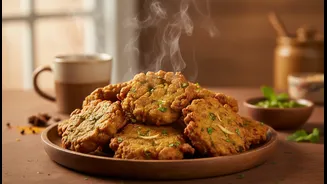
Beyond psychology and tradition, there is a culinary harmony to the chai-pakora combination. Pakoras, which are essentially spiced fritters made with a gram flour (besan) batter, are savoury, oily, and rich. A cup of hot masala chai, brewed with milk and warming spices like ginger and cardamom, works beautifully to cut through the richness of the fried snack. The astringency of the tea cleanses the palate, making each subsequent bite of the pakora taste just as good as the first. This balance of flavour and texture is what has cemented the pairing as a cultural institution, enjoyed in homes, at roadside stalls, and in cafes across the country.
Beyond the Pakora: A Monsoon Phenomenon
While chai and pakoras are the quintessential stars, this pattern of craving extends to a whole family of monsoon snacks. The desire for hot, comforting food is a pan-India phenomenon. In Mumbai, it might be a Vada Pav or Kanda Bhaji. In Delhi, Ram Ladoos see a surge in popularity, while roasted corn on the cob (bhutta) is a universal favourite on rainy streets everywhere. Samosas, bhajiyas, and kachoris also fit the brief perfectly. Each region has its own beloved version of a rainy-day treat, but the underlying principle remains the same: seeking warmth, sensory contrast, and emotional comfort when the skies open up.