





What Exactly Is Creator Commerce?
At its core, creator commerce is where content creation meets direct sales. [1, 3] It's a business model where creators—from YouTubers and TikTokers to bloggers and artists—sell products directly to their audience. [2] This can include their own merchandise,
custom-designed products, or items from other brands promoted through affiliate links and dedicated storefronts. [4] Unlike traditional influencer marketing, which often involves one-off sponsored posts, creator commerce is about building a sustainable business. [1] It shifts creators from being temporary brand partners to becoming brands in their own right, with direct control over their revenue and relationship with their community. [1, 7, 11]
The Shift from Anonymity to Authenticity
Traditional e-commerce can often feel impersonal. You browse, you click, you buy, all without any human connection. Creator commerce flips this on its head by centering the shopping experience around a trusted individual. [2] Creators spend years building loyal communities by sharing their skills, passions, and lives. [3] This fosters a deep sense of trust that big brands struggle to replicate. In fact, studies show that a majority of consumers trust recommendations from influencers more than information coming directly from brands. [2] When a creator recommends or sells a product, it doesn't feel like a cold advertisement; it feels like a suggestion from a friend. This personal endorsement is powerful, making the entire discovery and purchase process feel more authentic and less anonymous.
More Than a Transaction: It’s a Community
The most successful creator-led brands understand that they aren't just selling a product; they are nurturing a community. [7] Brands like MrBeast's 'Feastables' or Logan Paul and KSI's 'Prime' hydration drinks didn't just appear on shelves; they were launched as events within their existing communities. [9] Product launches become social events, with followers eager to support the ventures of creators they feel connected to. [14] This model transforms passive consumers into active participants. [2] They engage with the content, offer feedback, and influence future product development, creating a virtuous cycle where commerce strengthens the community and the community drives commerce. [7]
The Engine Behind the Economy
The rise of creator commerce is powered by an expanding ecosystem of platforms and tools. Social media channels like TikTok, Instagram, and YouTube have evolved from simple content-sharing apps into full-blown commerce platforms with integrated shopping features and native storefronts. [2] This allows creators to sell products without their followers ever needing to leave the app. [15] Simultaneously, e-commerce platforms have made it easier than ever for creators to launch their own direct-to-consumer brands, handling everything from production to shipping. [7] This infrastructure is critical, allowing creators to focus on what they do best: building their brand and engaging with their audience.
What This Means for the Future of Shopping
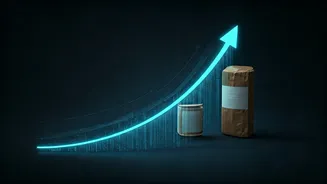
The creator economy is a massive, fast-growing industry, valued at over $323 billion in 2026 and projected to continue its explosive growth. [17] This isn't a niche trend; it's a fundamental reshaping of retail. For consumers, it means a more personalized and trust-driven shopping experience. [2] For creators, it represents a powerful path to entrepreneurship and financial independence. [1] And for traditional brands, it's a wake-up call. Many are now partnering with creators not just for advertising, but to co-create product lines and tap into highly engaged, niche audiences. [7] They are learning that in the modern digital marketplace, influence and authenticity are becoming the most valuable currencies. As this trend matures, the line between content and commerce will continue to blur, making shopping a more integrated and human part of our digital lives.