






The Wallet-Friendly Choice
One of the most compelling drivers for change is simple economics. While a high-quality reusable bottle or lunch container has a higher initial cost, it pays for itself over time. Think about the daily expense of buying bottled water, a takeaway chai
or coffee, and a packed lunch in a disposable container. These small, seemingly insignificant costs accumulate. By making coffee at home or refilling a water bottle, commuters can see significant annual savings. Some studies show that a family can save thousands of rupees over a few years just by cutting out disposable food storage products. Many coffee shops and eateries now also offer small discounts to customers who bring their own cups, further sweetening the deal. This shift transforms a daily expense into a one-time investment with long-term returns.
A Growing Green Conscience
Environmental awareness among urban Indians, particularly the youth, is higher than ever. News about plastic pollution choking rivers and landfills has spurred a desire for more responsible consumption. Government initiatives, including the ban on many single-use plastic items that came into effect in 2022, have also played a crucial role. This policy push has increased awareness and encouraged businesses to innovate with sustainable alternatives. For many commuters, choosing a reusable product is a tangible, daily action to reduce their personal carbon footprint and contribute to a cleaner environment. Studies show a significant portion of young Indians are willing to change their habits and even pay more for products that align with their eco-conscious values. It's a personal statement against a throwaway culture.
More Than Just a Container
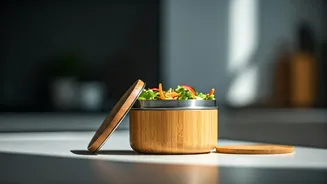
The appeal of reusables goes beyond just cost and conscience; they often offer a better user experience. Insulated flasks, for example, can keep a drink hot or cold for hours, a significant upgrade from a flimsy paper cup that cools down quickly. Similarly, airtight and leak-proof lunch containers prevent spills during a bumpy commute and keep food fresh. There's also a health angle. Growing concerns about the chemicals like BPA that can leach from single-use plastic containers into food and drinks are pushing consumers toward safer materials like glass, stainless steel, or BPA-free plastics. Using your own container gives you control over hygiene and what materials your food comes into contact with.
A Style and Identity Statement
In today's visually-driven world, what you carry is part of your personal brand. Reusable products have evolved from purely functional items to stylish accessories. Brands now offer a vast array of sleek, colourful, and creatively designed bottles, cups, and tiffins that allow users to express their personality. Carrying a well-designed reusable water bottle or a modern tiffin has become a subtle status symbol, signaling not just environmental awareness but also a sense of style and mindfulness. For younger generations, in particular, consumption is about purpose and narrative. A reusable container tells a story about personal values, making an everyday object part of one's identity. This trend is amplified on social media, where eco-friendly choices are often celebrated.