



The Allure of a Greener World
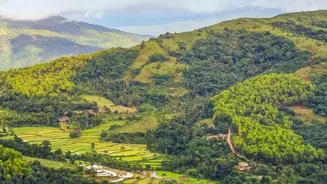
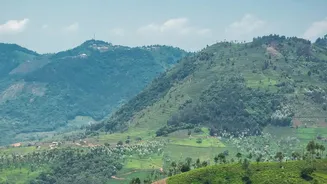
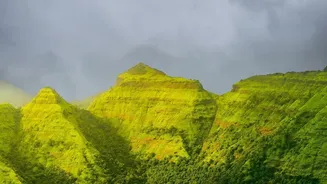
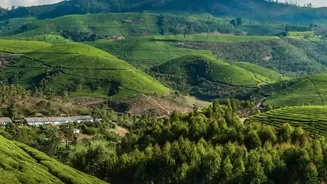
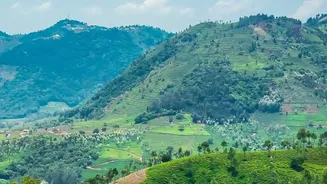
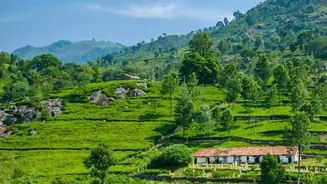
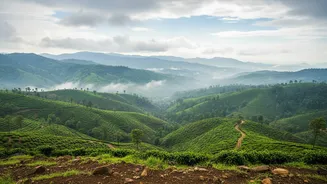
The primary driver of this trend is the dramatic transformation of the landscape. While Araku is beautiful year-round, the monsoon unleashes a unique magic. The Eastern Ghats receive substantial rainfall from June to September, turning the entire valley
into a vibrant, emerald paradise. Hills that are brown and faded in the summer burst with an intense green, while the air, washed clean of dust, offers crisp, clear views. For many travellers tired of city life, this promise of a lush, rain-drenched escape is irresistible. The constant sound of flowing water, from small roadside cascades to powerful waterfalls at their peak, becomes the soundtrack to their getaway.
Waterfalls in Their Full Glory
Winter may be the traditional peak season, but for waterfall enthusiasts, the monsoon is the best time to visit. Cascades like Katiki and Tadimada, which can be modest trickles in the dry season, become thunderous spectacles during the rains. This provides a powerful incentive for nature lovers and photographers to specifically plan a monsoon trip. The journey to these falls might be more challenging along wet trails, but the reward is a far more dramatic and impressive sight than what is available at other times of the year. The Chaparai waterfalls, known for their natural water slides, also see their highest flows, offering a different, more powerful experience.
The Homestay Experience Perfected
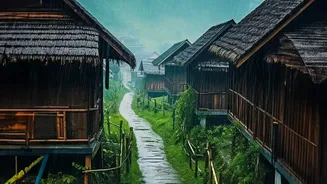
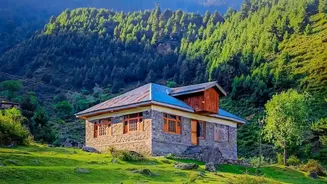
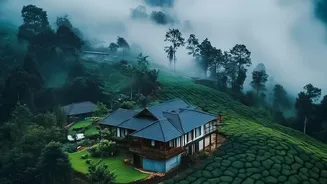
This monsoon surge is not just about the destination, but the accommodation. Plantation homestays are uniquely positioned to benefit. Unlike sterile hotels, they offer a cozy, authentic experience that feels even more special when it’s raining outside. Waking up to misty valleys and the smell of wet earth and fresh coffee is a powerful draw. Many of these homestays are located within coffee estates, giving guests a chance to immerse themselves in the plantation life, which is especially verdant during the monsoon. This shift is also part of a larger trend towards experiential travel, where visitors seek genuine connection and comfort over generic luxury.
A Search for Solitude and Slow Travel
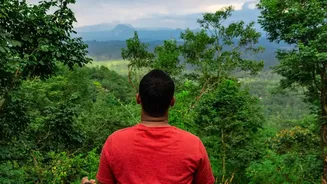
The traditional peak season in Araku, from October to February, often comes with significant crowds and higher prices. In contrast, the monsoon offers a more peaceful, unhurried experience. Modern travellers, particularly those with flexible work-from-home schedules, are increasingly embracing 'slow travel' and 'workations'. They are choosing to avoid crowded peak periods in favour of quieter times that allow for a deeper connection with the place. The rainy season in Araku provides the perfect backdrop for this: a tranquil environment ideal for relaxation, creative work, or simply disconnecting from the bustle of daily life. The reduced tourist traffic means a more personal and serene visit.
The Rise of Monsoon Aesthetics
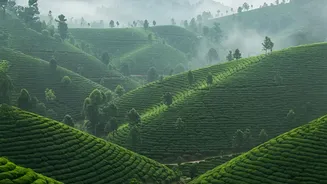
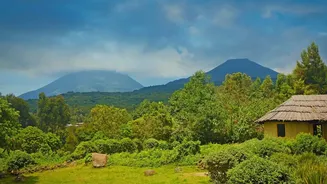
The visual appeal of the monsoon, once considered a deterrent, has become a significant attraction. The moody, atmospheric scenes of mist-covered hills, dramatic grey skies, and rain-soaked landscapes are incredibly photogenic. Social media platforms have played a role in popularising this aesthetic, with stunning images of Araku's monsoon beauty inspiring others to experience it for themselves. The contrast between the vibrant green plantations and the soft, diffused light creates a visual palette that is both calming and captivating, proving that sunshine isn't the only ingredient for a beautiful travel photo.