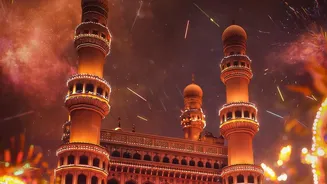






The Problem with Traditional Fireworks
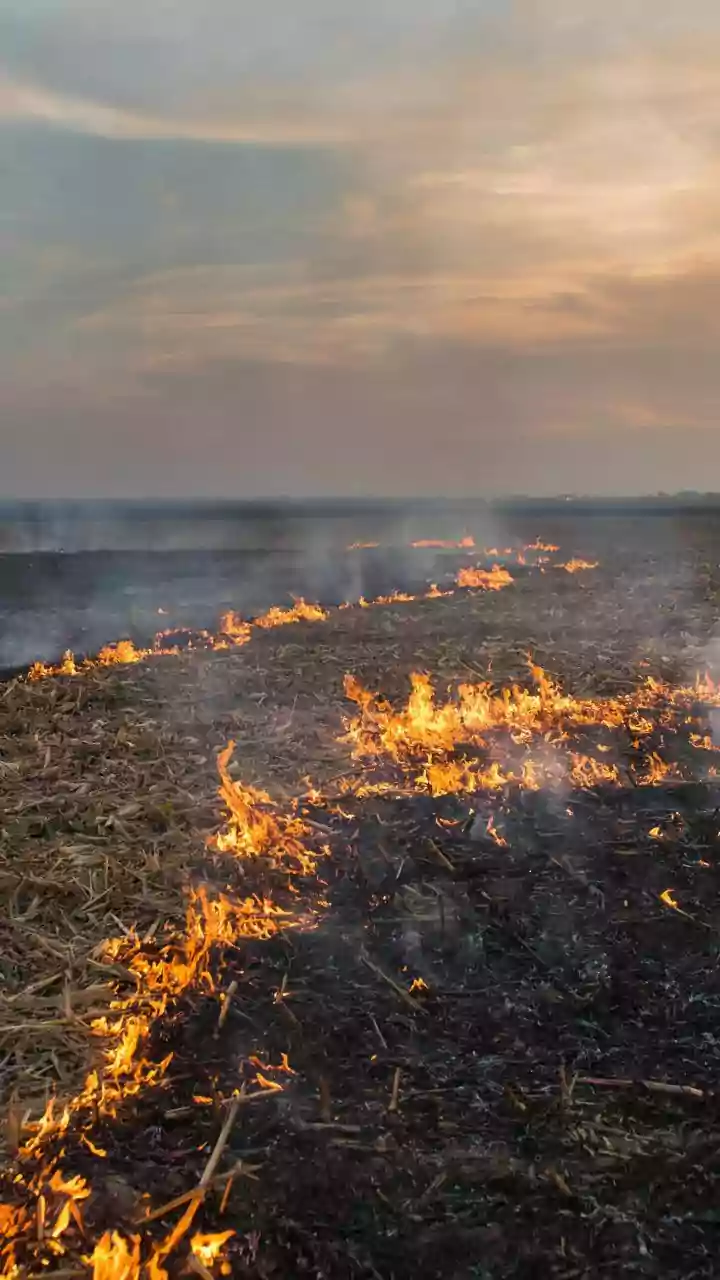
For years, the joy of festive fireworks has been followed by days of smog and hazardous air quality. Traditional crackers are packed with chemicals that, when burned, release a toxic cocktail into the atmosphere. Key culprits include heavy metals like
lithium, arsenic, mercury, and lead, which the Supreme Court has banned. Perhaps the most notorious is barium nitrate, a metal salt used to create brilliant green sparks. When ignited, it releases poisonous gases and contributes significantly to the dense clouds of particulate matter (PM2.5 and PM10) that can penetrate deep into the lungs, causing severe respiratory issues and other health problems. This annual pollution surge has led authorities to seek a less harmful alternative to keep the festive spirit alive without sacrificing public health.
What Exactly Are Green Crackers?
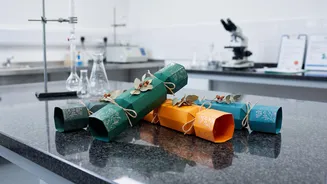
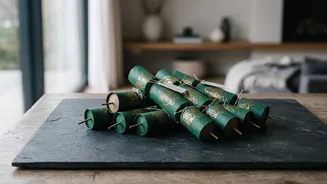
Green crackers are not zero-emission, but they are a significant step-up from their conventional counterparts. Developed by scientists at the Council of Scientific and Industrial Research (CSIR) and the National Environmental Engineering Research Institute (NEERI), these fireworks are designed to have a smaller environmental footprint. The core idea is to reformulate the chemical composition to reduce harmful emissions by at least 30%. They are specifically formulated to cut down on particulate matter and eliminate the use of banned, highly toxic chemicals like barium nitrate. This makes them a scientifically validated, less polluting option that aims to strike a balance between celebration and environmental responsibility, as acknowledged by the Supreme Court.
The Science of a 'Greener' Bang
The 'green' in these crackers comes from clever chemical engineering. Instead of banned substances, they use alternative compounds that produce light and sound with fewer side effects. There are three main types developed by CSIR-NEERI. SWAS (Safe Water Releaser) crackers release water vapour as they burst, which helps suppress dust and particulate matter by around 30-35%. STAR (Safe Thermite Cracker) reduces the use of potassium nitrate and sulphur, cutting particulate emissions and producing less sound. Finally, SAFAL (Safe Minimal Aluminium) crackers use minimal amounts of aluminium and substitute it with magnesium, which significantly lowers emissions. All these formulations are designed to keep noise levels within the 125-decibel limit, a considerable reduction from traditional crackers that can exceed 160 decibels.
How to Identify Genuine Green Crackers
As the market floods with options, telling a real green cracker from a fake one is crucial. Authentic green crackers, certified by CSIR-NEERI, must feature specific identifiers on their packaging. The most important things to look for are the official CSIR-NEERI logo and a scannable QR code. When you scan this QR code with your smartphone (using an app like the 'CSIR NEERI Green QR Code App'), it should lead you to a page verifying the manufacturer's details and the product's certification. Be wary of boxes that just have 'green cracker' printed on them without the logo and scannable code, or if the QR code leads to a generic website or an error page. These markers are your best guarantee that you're purchasing a product that meets the legal and environmental standards set by Indian authorities.
The Regulations and Their Impact
The push for green crackers is backed by Supreme Court rulings that aim to curb the extreme pollution seen during festivals. While the court has stopped short of a complete, nationwide ban on all fireworks, it has consistently mandated that only approved green crackers can be manufactured and sold across all states. The enforcement falls to the Petroleum and Explosives Safety Organisation (PESO), which is responsible for ensuring manufacturers comply with the new formulations. Many states also impose strict time windows for bursting any crackers—often a two-hour period in the evening—to further limit their cumulative impact on air quality. While not a perfect solution—as they still produce some pollution—green crackers represent a critical move towards more sustainable celebrations. The success of this initiative depends not just on manufacturers, but on public awareness and the choices consumers make.