


The Foundation: Flours and Grains
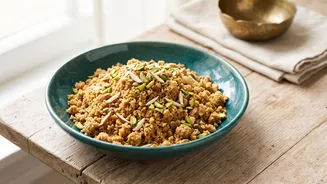
The base of many Janmashtami preparations, especially for those observing a fast (vrat), starts with specific flours and grains. Whole wheat flour (atta) is crucial for making Panjiri, a nutritious roasted sweet offered as prasad. For fasting-friendly
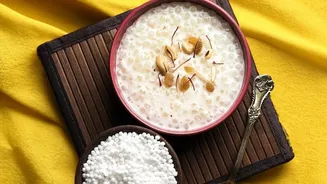
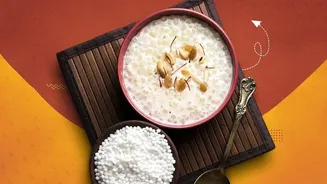
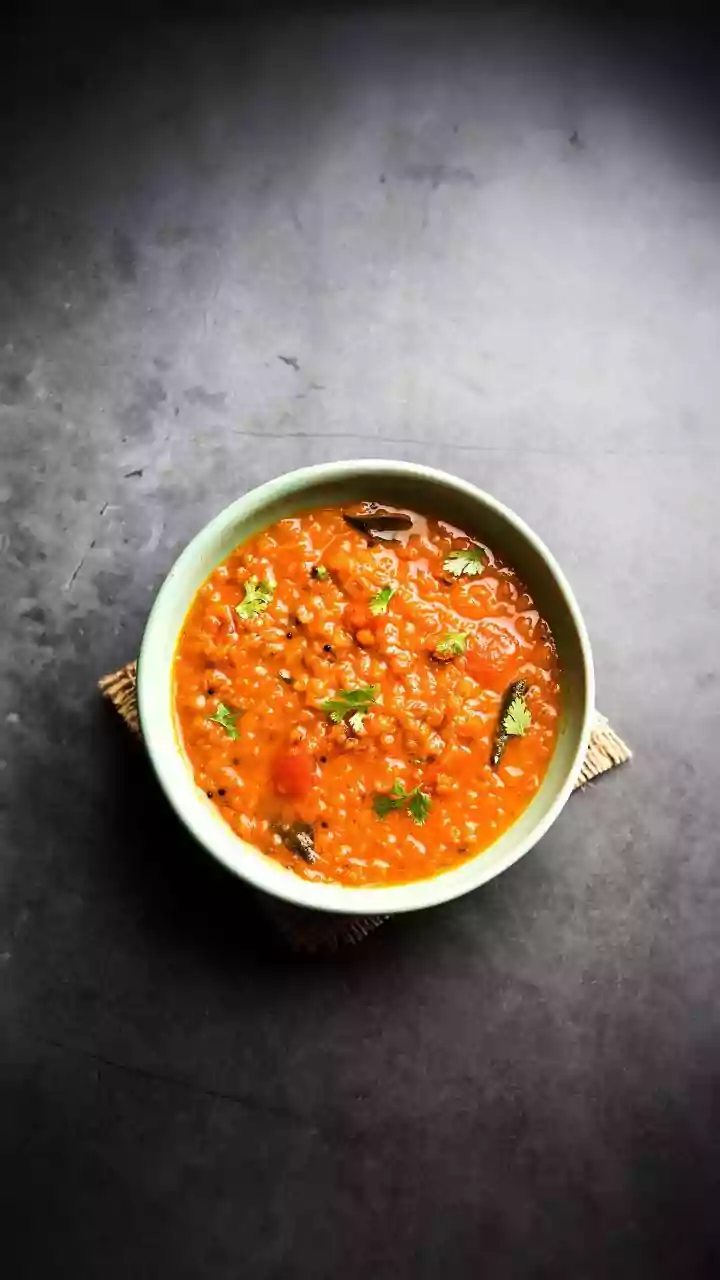
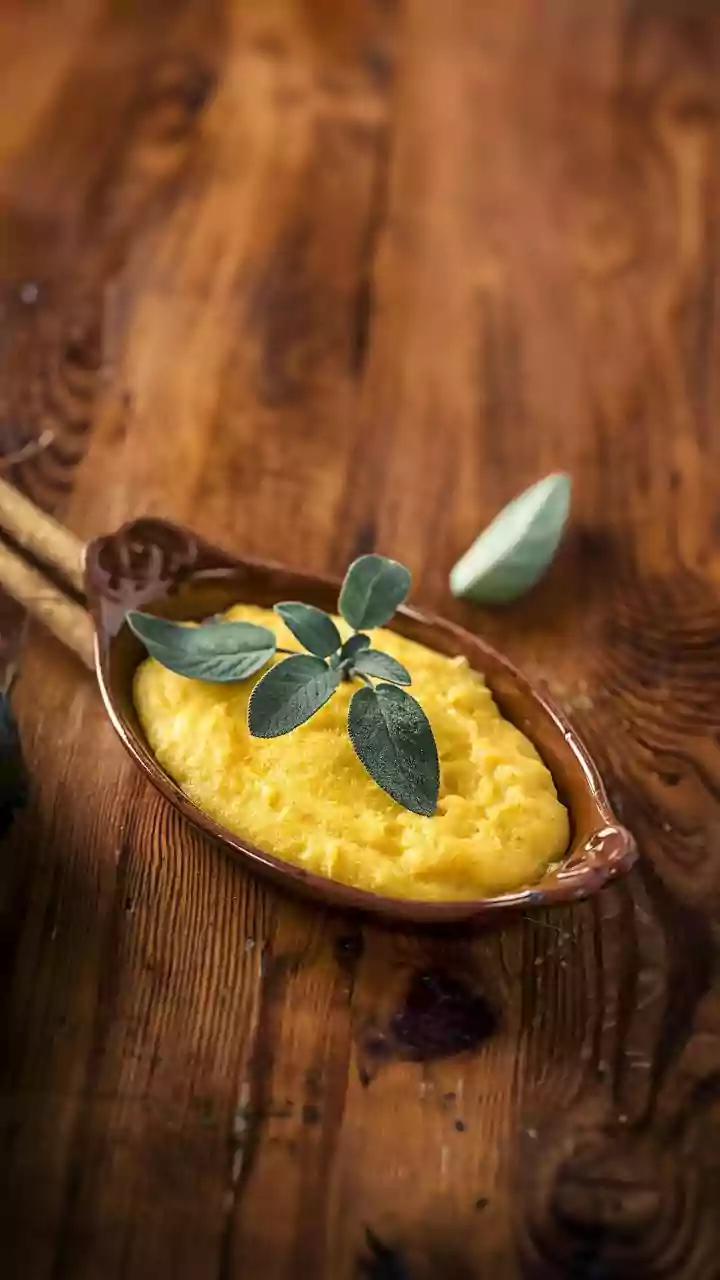
options, stock up on coriander powder (dhaniya) for Dhaniya Panjiri, as grains are avoided. Other essential items in this category include flattened rice (poha), which is the star ingredient in the savoury Gopalkala (also known as Dahi Poha), and tapioca pearls (sabudana) for making Sabudana Khichdi or Kheer. It's also wise to have semolina (sooji/rava) on hand for sweets like Rava Kesari or Halwa.
Dairy: Lord Krishna's Favourites
No Janmashtami celebration is complete without dairy, which Lord Krishna was famously fond of. Pure ghee is non-negotiable; it's used for roasting ingredients for Panjiri, tempering for Gopalkala, and frying sweets. Fresh, full-cream milk is the heart of creamy Kheer and Panchamrit, a sacred concoction of five ingredients. Stock up on good quality yoghurt (dahi or curd), which is essential for both Gopalkala and as a simple offering. And of course, don't forget fresh unsalted white butter (makhan) to prepare Makhan Mishri, arguably the simplest and most significant bhog for the occasion.
Sweeteners: For Prasad and Sweets
Sweets are central to the festive menu. Have a good supply of various sweeteners to suit different recipes. Powdered sugar or regular granulated sugar that you can grind at home is needed for Panjiri and many ladoos. Rock sugar (mishri) is specifically required for the classic Makhan Mishri offering. Jaggery (gur) can be used as an alternative to sugar in several preparations like appam or some variants of kheer, lending a more traditional, earthy sweetness. Honey is another key item, primarily as one of the five nectars in Panchamrit.
Nuts and Seeds: For Richness and Crunch
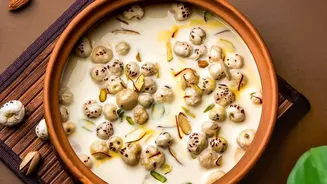
Dry fruits and nuts add richness, texture, and nutrition to almost every Janmashtami dish. Almonds (badam), cashews (kaju), and pistachios are used generously in Panjiri, Kheer, and as a garnish. Fox nuts (phool makhana) are a must-have; they can be roasted for a simple snack, added to Panjiri, or used to make Makhana Paag, a sweet brittle. Desiccated or grated dry coconut adds flavour and texture to both Panjiri and Gopalkala. Raisins and melon seeds (magaj) are also commonly included in Panjiri and other sweets for added flavour and texture.
Spices and Flavourings: The Aromatic Finish
The right spices elevate simple ingredients into divine offerings. Green cardamom powder (elaichi) is the most common aromatic, used in nearly every sweet dish from Kheer to Panjiri. Saffron strands (kesar) add a beautiful colour and delicate fragrance to milk-based sweets like Kheer or Shrikhand. For savoury preparations like Gopalkala, you'll need cumin seeds, mustard seeds, and finely chopped ginger and green chillies for the tempering (tadka). For some traditional Panjiri recipes, especially those from North India, fennel seeds (saunf) and dried ginger powder (saunth) are also included.
Fresh Ingredients: For Quick Offerings
While most items can be stocked in the pantry, a few fresh ingredients are essential for the day of the festival. Fresh fruits, especially bananas and guavas, are always part of the offering. A cucumber is needed for the crunch and freshness it provides in Gopalkala. Pomegranate pearls are also often added to Gopalkala for a pop of colour and juicy sweetness. Finally, don't forget to procure some fresh Tulsi (holy basil) leaves, as they are considered sacred and used to garnish almost every prasad offered to Lord Krishna.