


The Allure of the Perfect Photo
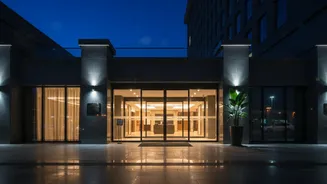
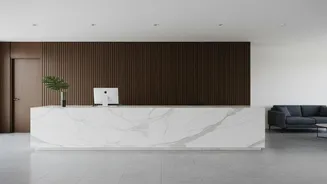
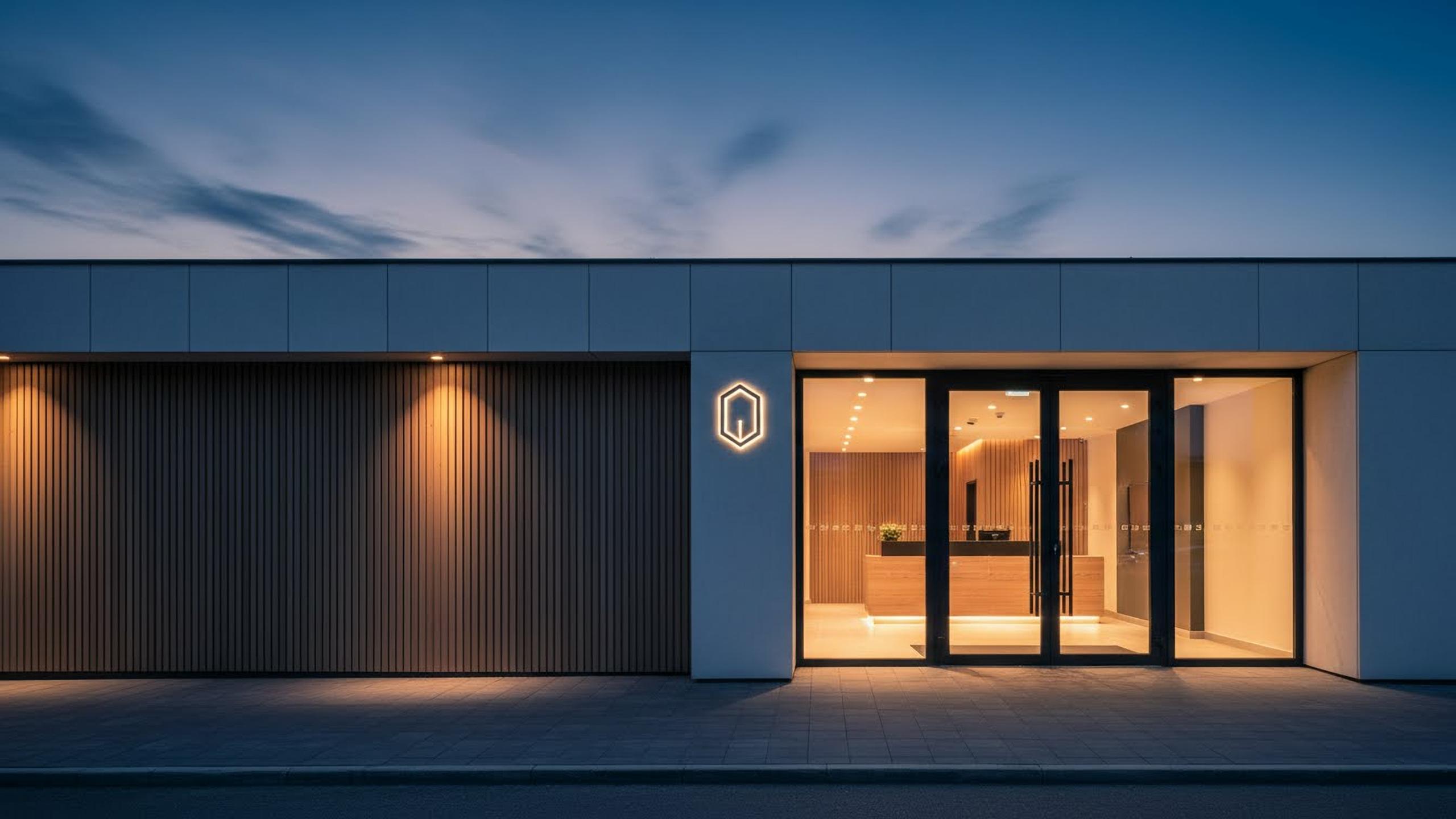
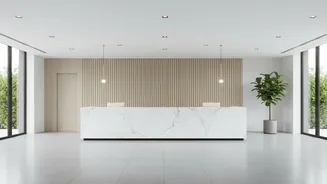
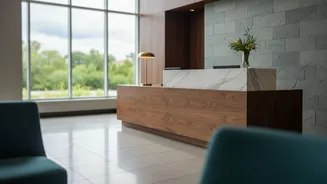
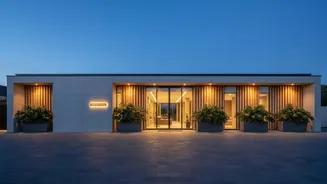
Hotels are in the business of selling an experience, and it all begins with a single image. The photos you see on booking websites are professional marketing tools, designed to make a property look its absolute best. Photographers use techniques like
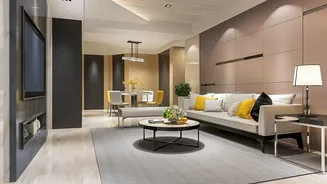
wide-angle lenses to make rooms appear more spacious than they are, and perfect lighting to hide a less-than-ideal view of a brick wall or a noisy street. These images are often heavily edited to look bright, clean, and inviting. While not entirely false, they represent the hotel under flawless conditions—a standard that is rarely met in reality. The goal is to capture your attention, but these polished shots often create an expectation gap that can lead to disappointment upon arrival.
Why Your Room Doesn't Match the Gallery
The most common mistake travellers make is assuming that the beautiful photos in the gallery represent the room they are about to book. Most booking portals and even the hotels' own websites showcase a collection of their finest rooms, including spacious suites and those with premium views, regardless of which specific room type you have selected. When you book a 'Standard Double Room', you are often looking at pictures of a 'Deluxe Suite' or a 'Premium Sea View Room'. Hotels have multiple categories of rooms, and the one you book is what you're entitled to, not the one in the most attractive photo. This mismatch is a frequent source of frustration for travellers who feel misled by the booking process.
Decoding Room Categories
To avoid confusion, it helps to understand the typical hierarchy of hotel rooms. While there is no universal standard, most hotels follow a similar structure. A 'Standard' room is the most basic offering, providing essential amenities. A 'Superior' room might offer slightly more space or a better location within the hotel. 'Deluxe' rooms usually come with upgraded furnishings, more space, and better views. 'Suites' are the top tier, often featuring separate living and sleeping areas. However, a 'Deluxe' room in one hotel might be what another calls 'Superior'. The key is to never assume what these terms mean. Always look for concrete details in the description, as these names are relative to the hotel's own inventory.
Your Secret Weapon: Real Traveller Photos
The single most effective way to see what you're actually paying for is to ignore the professional gallery and seek out user-generated content. Websites like TripAdvisor and the 'From Visitors' tab on Google Maps are invaluable resources. Here, you will find unedited photos taken by recent guests on their own phones. These images provide a realistic look at the room's actual size, the state of the furnishings, the cleanliness, and the authenticity of the view. If you see consistent complaints or photos showing worn-out furniture or dirty bathrooms, you know what to expect. These candid shots are your best defence against the flattering illusions created by professional marketing.
Read the Fine Print, Not Just the Photo
A photo might be worth a thousand words, but the room description holds the legally binding details of your booking. Pay close attention to the specifics mentioned. Look for the room’s size, often listed in square metres or square feet, which gives you a concrete idea of the space you'll have. Check the bed type—is it a king, queen, or two singles? Read the list of amenities carefully. Does it include a balcony, a bathtub, or a specific view? These written details are far more reliable than a generic photo. If a feature like a balcony is important to you but only shown in photos and not mentioned in the description for your chosen room type, you should assume it's not included.