







The Unsung Hero of Your Diet
Dietary fibre is a type of carbohydrate found in plant-based foods like fruits, vegetables, whole grains, and legumes. But unlike other carbs, your body can't digest it. Instead, fibre travels through your digestive system mostly intact, acting like a multitasking
powerhouse along the way. There are two main types, and your body needs both. Soluble fibre dissolves in water to form a gel-like substance, which can slow digestion. You'll find it in oats, beans, apples, and carrots. Insoluble fibre doesn't dissolve in water; it adds bulk to your stool and helps food pass more quickly through the stomach and intestines. Think of whole-wheat flour, nuts, and vegetables like cauliflower.
A 'Smarter' Gut Is a Happier Gut
One of fibre's most intelligent jobs is nourishing your gut microbiome—the trillions of bacteria living in your digestive tract. Certain fibres, known as prebiotics, act as food for these beneficial bacteria. As the good bacteria ferment this fibre, they produce short-chain fatty acids (SCFAs). These compounds are vital for good health; they nourish the cells lining your colon, strengthen the gut barrier, reduce inflammation, and may even lower the risk for certain diseases. By feeding the good microbes, you create a healthier gut environment, which is linked to everything from better immunity to improved mood.
The Intelligent Approach to Blood Sugar and Weight
For anyone watching their blood sugar or weight, fibre is an essential ally. Soluble fibre is particularly clever here; its gel-like consistency slows down the absorption of sugar, which helps prevent sharp spikes in blood glucose after a meal. This is crucial for managing conditions like diabetes. Both types of fibre also contribute to a feeling of fullness, or satiety. Because high-fibre foods take up more space in your stomach and take longer to digest, they can help you feel satisfied with fewer calories, making weight management a more intuitive process.
Your Heart's Unseen Bodyguard
A diet rich in fibre is also a smart move for your heart. Soluble fibre, in particular, has been shown to help lower levels of low-density lipoprotein (LDL), often called "bad" cholesterol. It works by binding with cholesterol particles in your digestive system and removing them from the body before they can be absorbed. This simple mechanism reduces a major risk factor for heart disease. High fibre intake is also associated with lower blood pressure and reduced inflammation, further protecting your cardiovascular system.
Building Your Smarter Plate in India
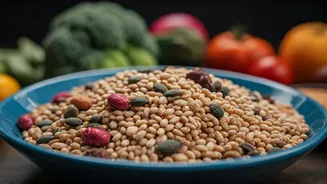
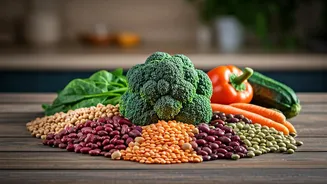
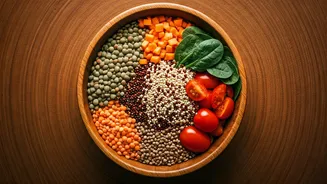
The good news is that traditional Indian diets are well-positioned for high-fibre eating. The Indian Council of Medical Research (ICMR) suggests adults aim for about 25-40 grams of fibre daily, though many people currently consume only about half that. Closing this gap is simple. Swap white rice for brown rice or millets like jowar, bajra, and ragi. Make sure dals, chana, and rajma are staples in your meals. Eat fruits like guava, apples, and bananas with their skin when possible. Fill half your plate with vegetables like spinach, okra (bhindi), and beans. These small, consistent additions turn every meal into a smarter choice for your long-term health.