


Choosing the Perfect Idol
The heart of the festival is the murti, and the first major decision for any family is selecting the perfect one. For weeks, workshops in areas like Parel and Chembur are filled with artisans giving shape to clay. The trend towards sustainability continues,
with a growing preference for idols made of natural 'shadu' clay instead of Plaster of Paris (PoP). These eco-friendly options dissolve easily in water, reducing environmental impact during immersion. Families consider the idol's form, expression, and size, with many booking their chosen murti weeks or even months in advance to get their desired design from a trusted artist.
The Art of the Home Mandap
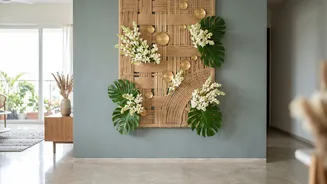
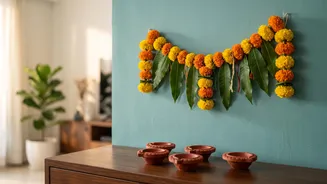
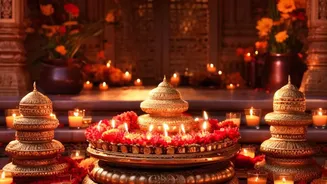
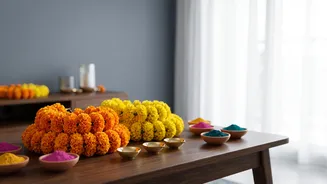
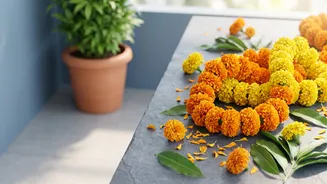
Once the idol is chosen, the focus shifts to creating a beautiful throne, or 'makhar'. This is where creativity truly shines. Many families are moving away from thermocol and plastic, opting for eco-friendly Ganpati decorations. Reusing a treasured family saree or colourful dupattas as a backdrop is a popular and sustainable choice. Others build elaborate themes using paper flowers, cardboard cut-outs, and strings of lights. The goal is to create a sacred and welcoming space in a corner of the home that will be the centre of all festivities. This can range from a simple, elegant setup with flowers and diyas to a grand, thematic display.
Sweet Beginnings with Modaks
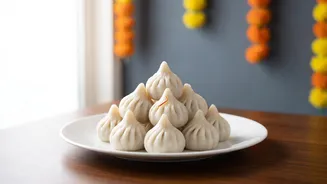
No Ganpati celebration is complete without modaks, the sweet dumplings considered to be Lord Ganesha's favourite treat. For many families, making them is a cherished tradition. The most popular variety is 'ukadiche modak'—steamed rice-flour dumplings filled with a sweet mixture of fresh coconut and jaggery. While many households dedicate a day to preparing these delicacies, Mumbai's famous sweet shops also offer a wide variety, from the traditional steamed version to fried modaks, and even modern interpretations with chocolate or pistachio fillings, making it easy for busy families to make the offering.
Planning the 10-Day Marathon
Hosting Ganpati is a ten-day marathon of devotion and socialising. The daily logistics require careful planning. This involves scheduling the morning and evening 'aarti' (prayer ceremony), which becomes the anchor of each day. Families coordinate with neighbours and friends for visits, ensuring a steady stream of guests coming for 'darshan'. Managing the 'prasad' (blessed food offerings) distribution is another key task. For those in housing societies, there's often coordination with the building committee for community events, shared aartis, and planning for the final immersion procession. The duration of the festival at home can vary from one and a half days to the full ten days, depending on family tradition.
Navigating the City's Festive Rush
While the heart of the festival is at home, stepping out into the city is part of the experience. But it requires a plan. Traffic can be heavy, especially around famous pandals like Lalbaugcha Raja and Ganesh Galli. Many roads may have restrictions or closures to accommodate processions. Using public transport like local trains can be efficient but expect them to be extremely crowded, particularly in the evenings. Rideshare services are available but may face delays. For families planning to visit relatives or famous pandals, travelling during off-peak hours, like early mornings on weekdays, is often the best strategy to avoid the biggest crowds.