






First, What Is Podi?
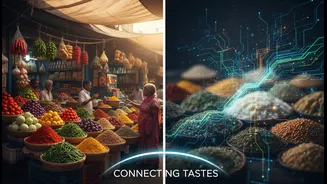
Before we get to the pizza, let’s talk about the podi. For the uninitiated, podi is a coarse spice blend from South India that packs a flavourful punch, earning it the popular nickname 'gunpowder'. Its history is rich, with mentions in ancient Sangam
literature and its popularity spreading during the Vijayanagara dynasty. Traditionally, it’s a mix of roasted lentils, sesame seeds, dried red chillies, and other spices, though recipes vary from family to family and region to region. In a South Indian household, you’ll typically find it served with soft idlis or crisp dosas, mixed into a paste with a generous spoonful of ghee or sesame oil. It’s an earthy, spicy, and deeply savoury condiment that is considered an emotion as much as an ingredient.
An Unlikely Culinary Marriage
The idea of sprinkling a traditional lentil powder on a cheesy pizza might seem odd at first, but it’s the logical next step in India’s vibrant fusion food scene. For years, Indian restaurants and home cooks have been adapting global dishes to local tastes. The Indian pizza market is a prime example, dominated by toppings like paneer, spicy chicken, and assorted masalas that cater directly to the national palate. The podi pizza emerges from this same spirit of culinary creativity. Chefs and cloud kitchen entrepreneurs are digging deeper into India's vast pantry, moving beyond generic 'Indian' flavours to embrace more specific, regional ingredients. Podi, with its 'flavour bomb' reputation among chefs, was a natural candidate for experimentation, offering a complex kick that standard chilli flakes cannot match.
The Delivery App Accelerator
This trend isn't just happening in fancy cafes; it's being supercharged by the digital food ecosystem. Major metropolitan food delivery networks like Swiggy and Zomato have become powerful launchpads for culinary experiments. For a cloud kitchen or a small restaurant, launching a 'Podi Pizza' or 'Gunpowder Garlic Bread' doesn't require a full menu overhaul or the risk associated with a traditional dine-in establishment. They can test the waters, see how customers react, and scale up if the item gains traction. These platforms create a direct line to adventurous urban foodies who are constantly scrolling for something new and exciting. A unique item like podi pizza stands out in a crowded digital marketplace, attracting clicks and orders from curious customers looking for the next big thing.
A Symphony of Spice and Cheese
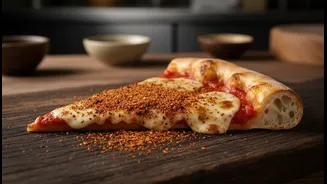
So, why does it work? The flavour combination is more harmonious than you might think. The rich, melted mozzarella cheese and tangy tomato sauce provide a perfect creamy base. The podi, when sprinkled on top, cuts through that richness with its toasted, nutty, and spicy notes. The slight grittiness of the powder adds a unique texture that contrasts with the soft crust and gooey cheese. Different variations are already popping up online. Some menus feature a simple 'podi and ghee' drizzle over a margherita, while others offer more elaborate creations like a Ghee Roast Chicken Pizza accompanied by Podi Garlic Bread, a combination spotted on menus in Bangalore. It’s a flavour profile that feels both familiar and novel, hitting the comfort-food notes of pizza while delivering a distinctly Indian spicy kick.
The New Face of Indian Fusion
The rise of podi on pizza is more than just a fleeting gimmick; it’s a reflection of where Indian food is headed in 2026. The trend is moving towards what experts call 'neo-regionalism'—celebrating specific, local ingredients in modern formats. Diners are increasingly interested in food that tells a story, and a dish that combines a beloved grandmother's podi recipe with a global favourite like pizza has a built-in narrative. This new wave of fusion is less about novelty for its own sake and more about thoughtful, intentional combinations that respect both culinary traditions. It’s about creating dishes that feel both globally fluent and proudly local.